Science Episodes
Oct. 7, 2026
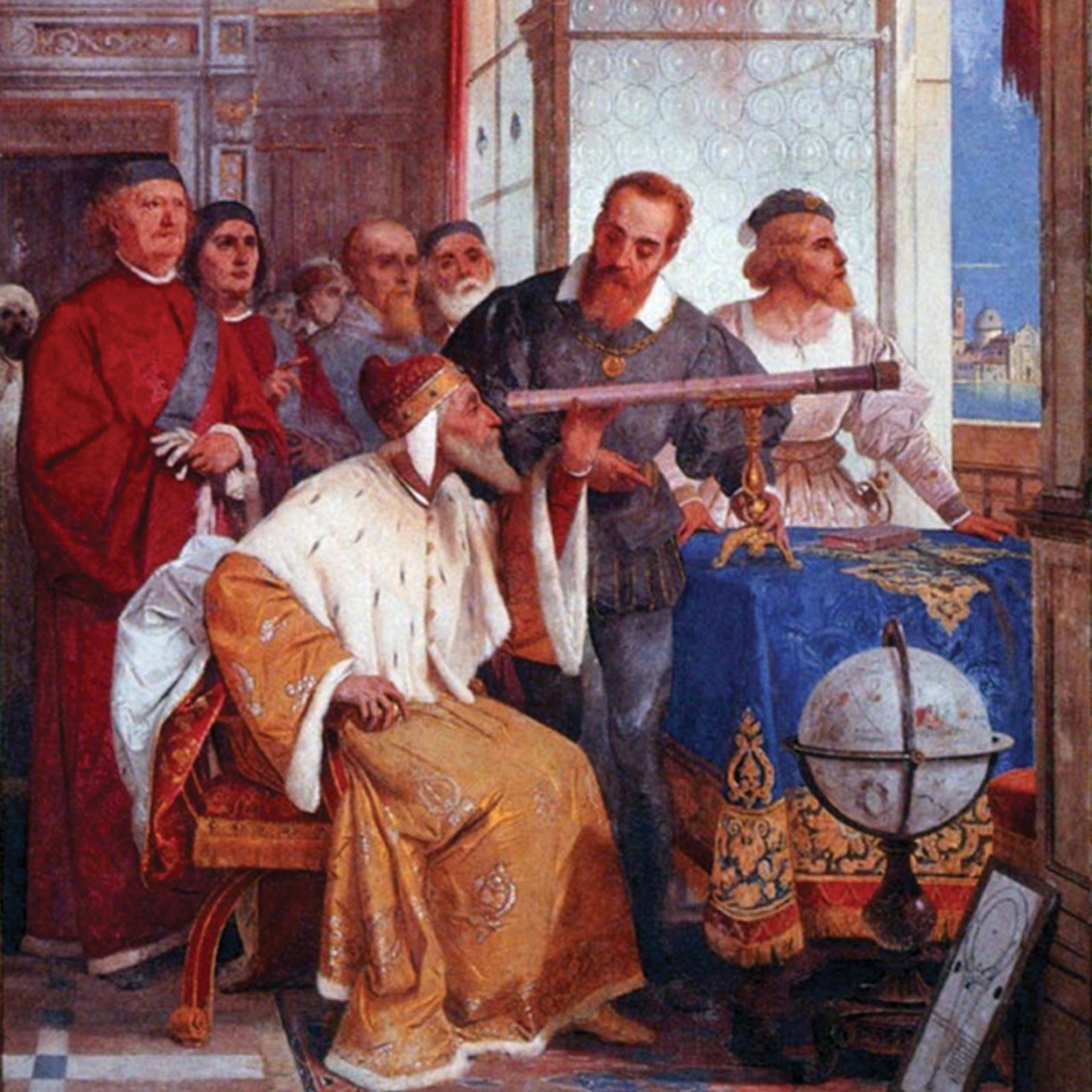
Drawing Knowledge from Scientific Instruments - Dr. Marvin Bolt
Dr. Marvin Bolt explores the history and epistemology of scientific instruments, arguing that they are not merely passive tools but active embodiments of knowledge that require hands-on engagement to fully understand.
Guest: Dr. Marvin Bolt
Oct. 5, 2026
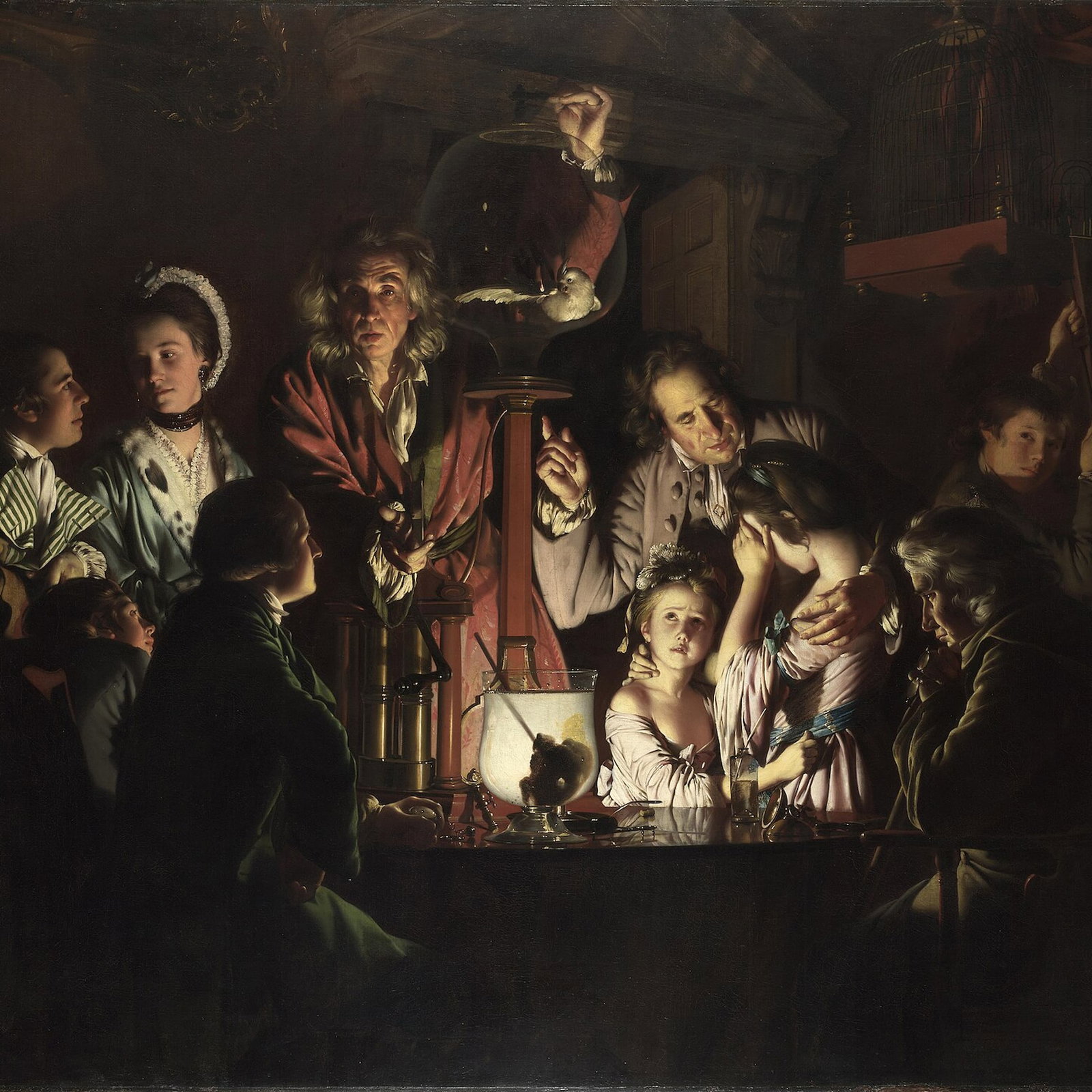
The Atomic Force Microscope:Truth, Guesses, Puzzles, and Personal Experiences - Prof. Santiago Solares
Prof. Santiago Solares explores the technical challenges and philosophical implications of Atomic Force Microscopy, arguing that rigorous scientific practice requires both technical precision and a commitment to intellectual formation.
Guest: Prof. Santiago Solares
Oct. 2, 2026
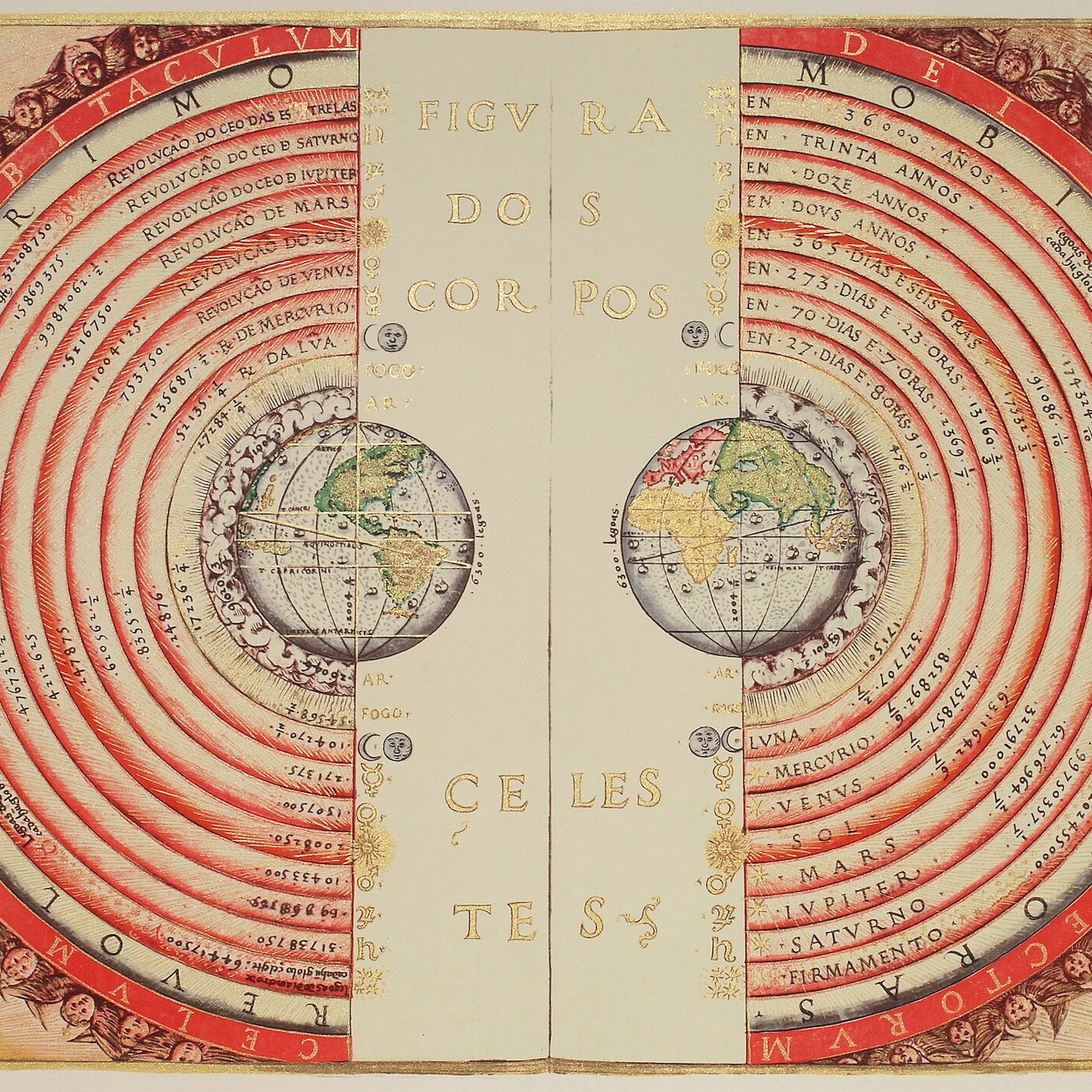
Natural and Artificial Instruments for Investigating the Cosmos - Prof. John Brungardt
Prof. John Brungardt explores the Aristotelian-Thomistic necessity of scientific instruments as essential tools for the human mind to investigate the cosmos and overcome the limitations of natural sensation.
Guest: Prof. John G. Brungardt
Oct. 1, 2026
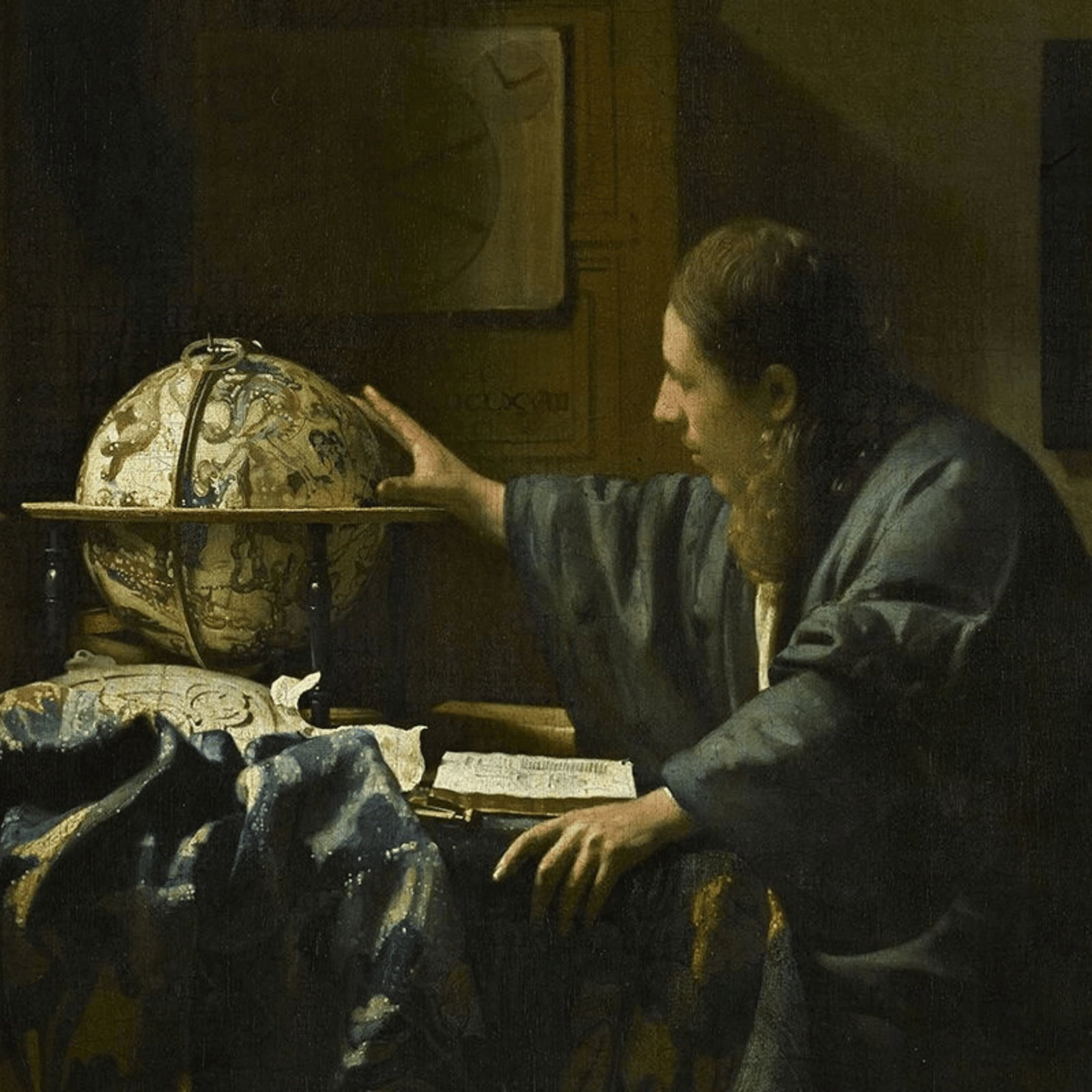
Telescopes and Our Understanding of the Cosmos - Prof. Karin Oberg
Prof. Karin Öberg examines how the vocation of the scientist aligns with the Thomistic view that studying the material order is a necessary component of faith, arguing that the scientific study of the cosmos serves as a profound path to understanding God's wisdom, power, and goodness.
Guest: Prof. Karin Öberg
March 6, 2026
Catholic Scientists – Prof. Jonathan I. Lunine
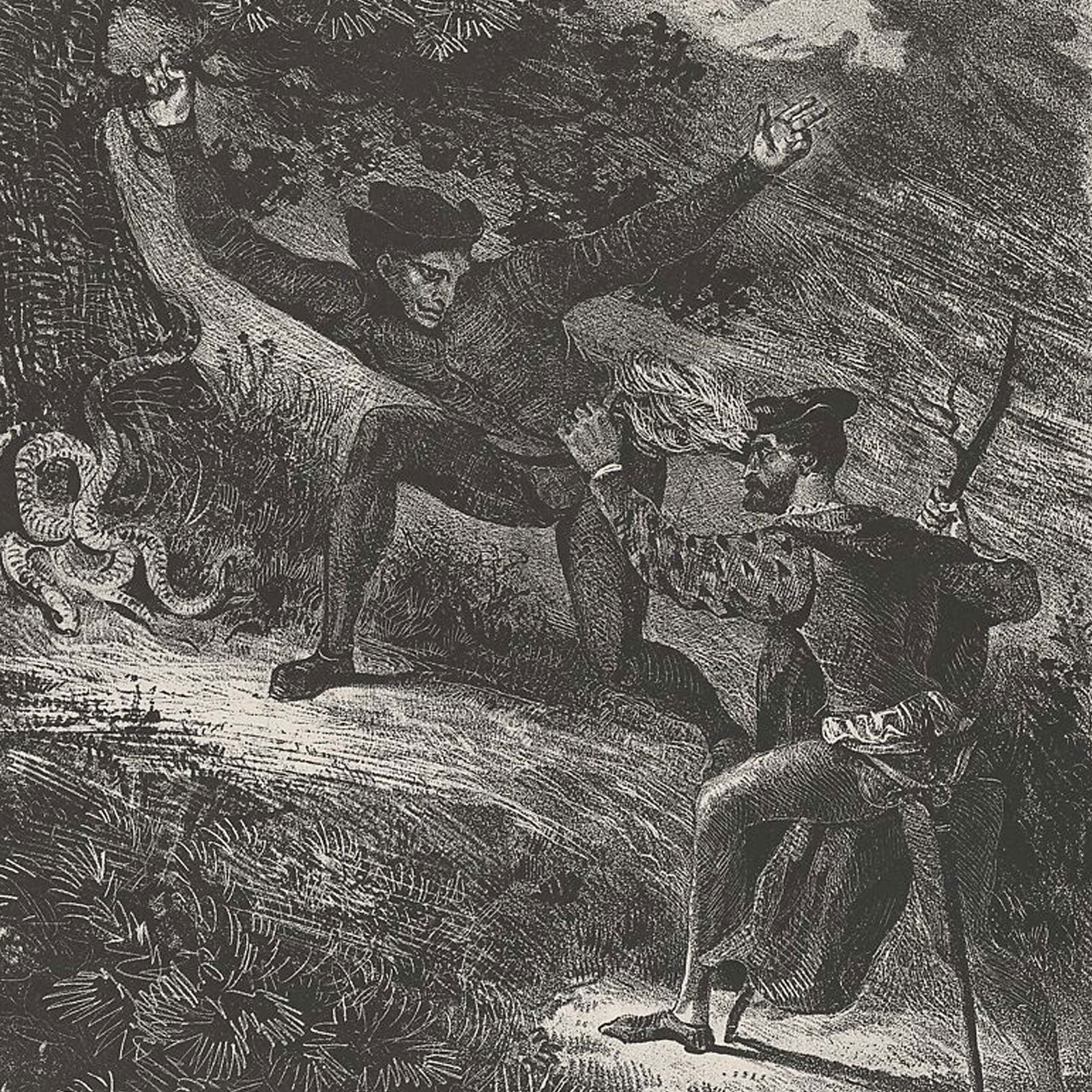
Prof. Jonathan I. Lunine presents his life as a planetary scientist and Catholic convert as a lived example of the harmony between faith and science, then highlights two priest‑scientists—Georges Lemaître and Gregor Mendel—whose foundational work on the Big Bang and genetics shows that Catholic belief has stood at the center of modern scientific revolutions.
Guest: Prof. Jonathan I. Lunine
March 4, 2026
The War That Never Was: Science vs. Faith – Prof. Lawrence M. Principe
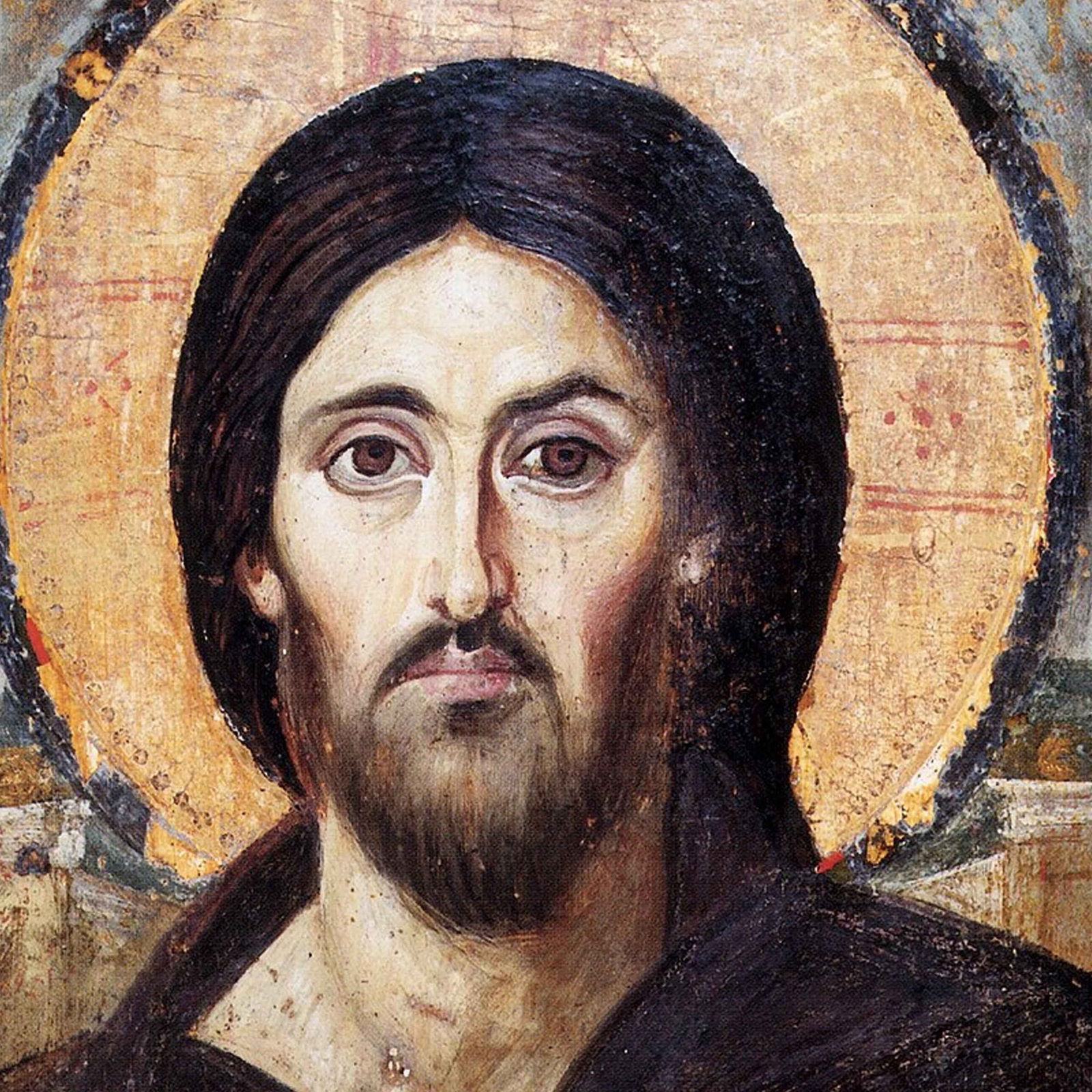
Prof. Lawrence M. Principe argues that the supposed “war” between science and faith is largely a modern myth, constructed in the late 19th century by figures like John William Draper and Andrew Dickson White for personal, political, and ideological reasons, then amplified by secularizers, technocratic utopians, and bad theology (especially “God‑of‑the‑gaps” arguments and naive literalism) on the religious side.
Guest: Prof. Lawrence M. Principe
March 3, 2026
The Making of Another Catholic Scientist – Prof. Jonathan Lunine
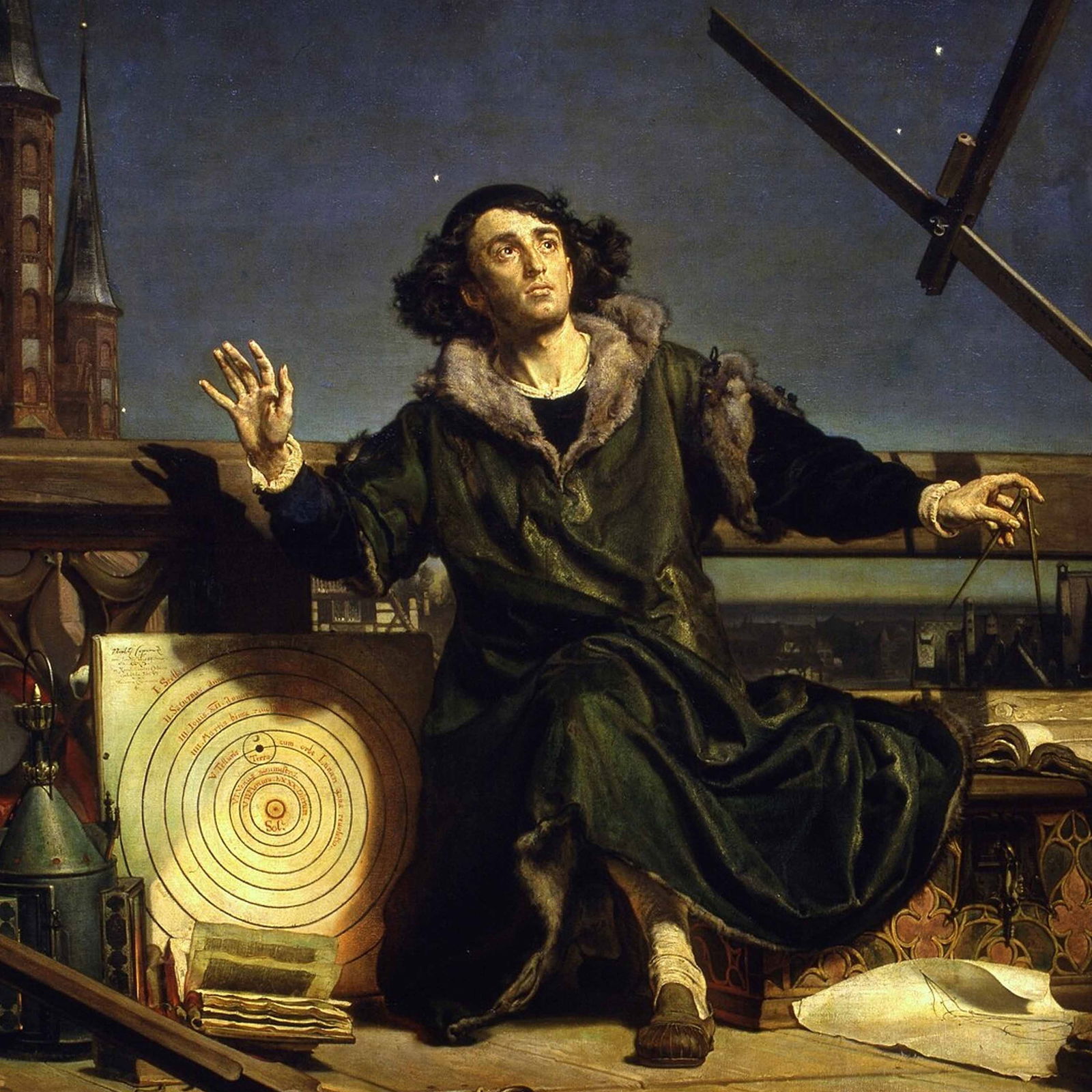
Prof. Jonathan Lunine offers a personal and intellectual witness that one can be both a serious planetary scientist and a committed Catholic, describing his journey from Jewish upbringing and “cradle astronomer” to baptism and then to public advocacy against the supposed science–faith conflict.
Guest: Prof. Jonathan I. Lunine
March 2, 2026
Is Religion Really an Enemy of Science? – Prof. Carlos A. Casanova
Prof. Carlos A. Casanova argues that religion—understood as a theological worldview affirming God as the rational creator—is not an enemy but an historical and structural ally of science, since the very rise, methods, and institutional homes of the sciences (from Plato and Aristotle through medieval universities to Galileo) developed within religious cultures that prized truth for its own sake.
Guest: Prof. Carlos A. Casanova
Feb. 3, 2026
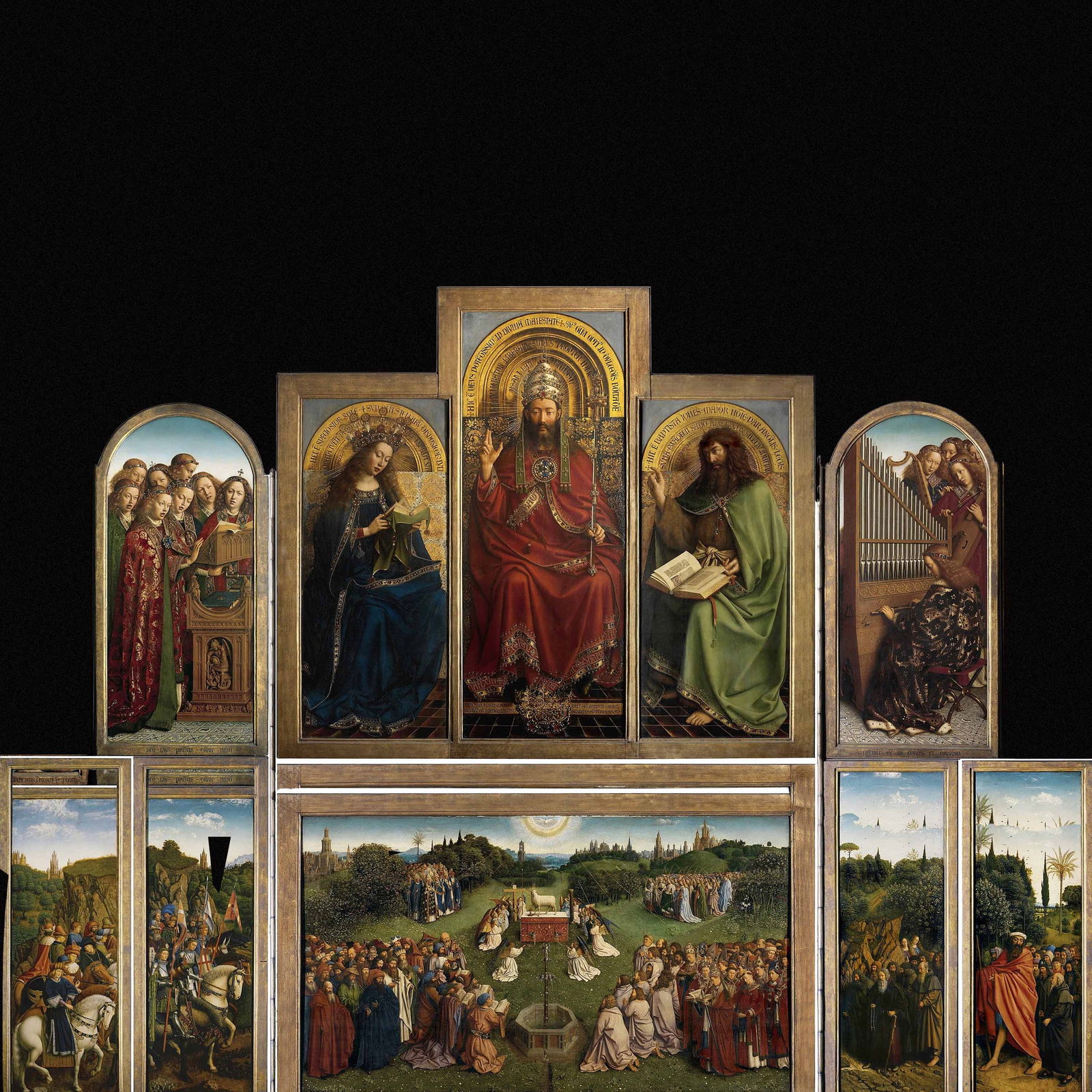
The Scopes Trial & the Myth of Warfare between Science & Religion – Prof. Kenneth Kemp
Prof. Kenneth Kemp reexamines the Scopes “Monkey Trial” to show that it has been mythologized into evidence of a supposed war between science and religion, arguing instead that the real conflicts concerned constitutional law, educational policy, and competing theological and philosophical visions within Christianity.
Guest: Prof. Kenneth Kemp
Feb. 2, 2026
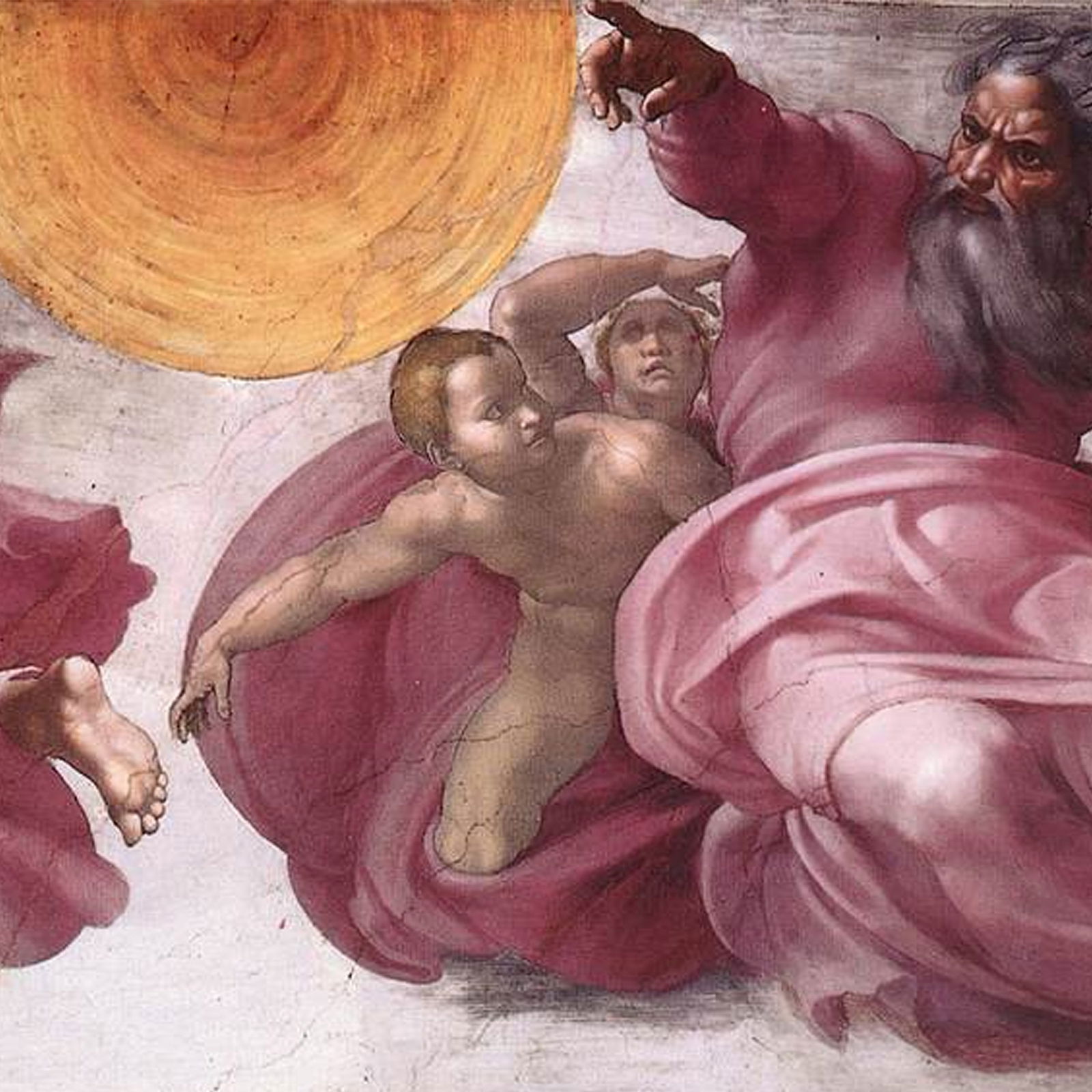
My Life Exploring the Solar System and Worlds Beyond – Prof. Jonathan I. Lunine
Prof. Jonathan I. Lunine recounts his life as a planetary scientist, tracing how early inspirations from Carl Sagan and the space race led to his work on major NASA missions exploring the solar system and distant worlds, from Voyager and Cassini to Juno and Europa Clipper.
Guest: Prof. Jonathan Lunine
Jan. 29, 2026
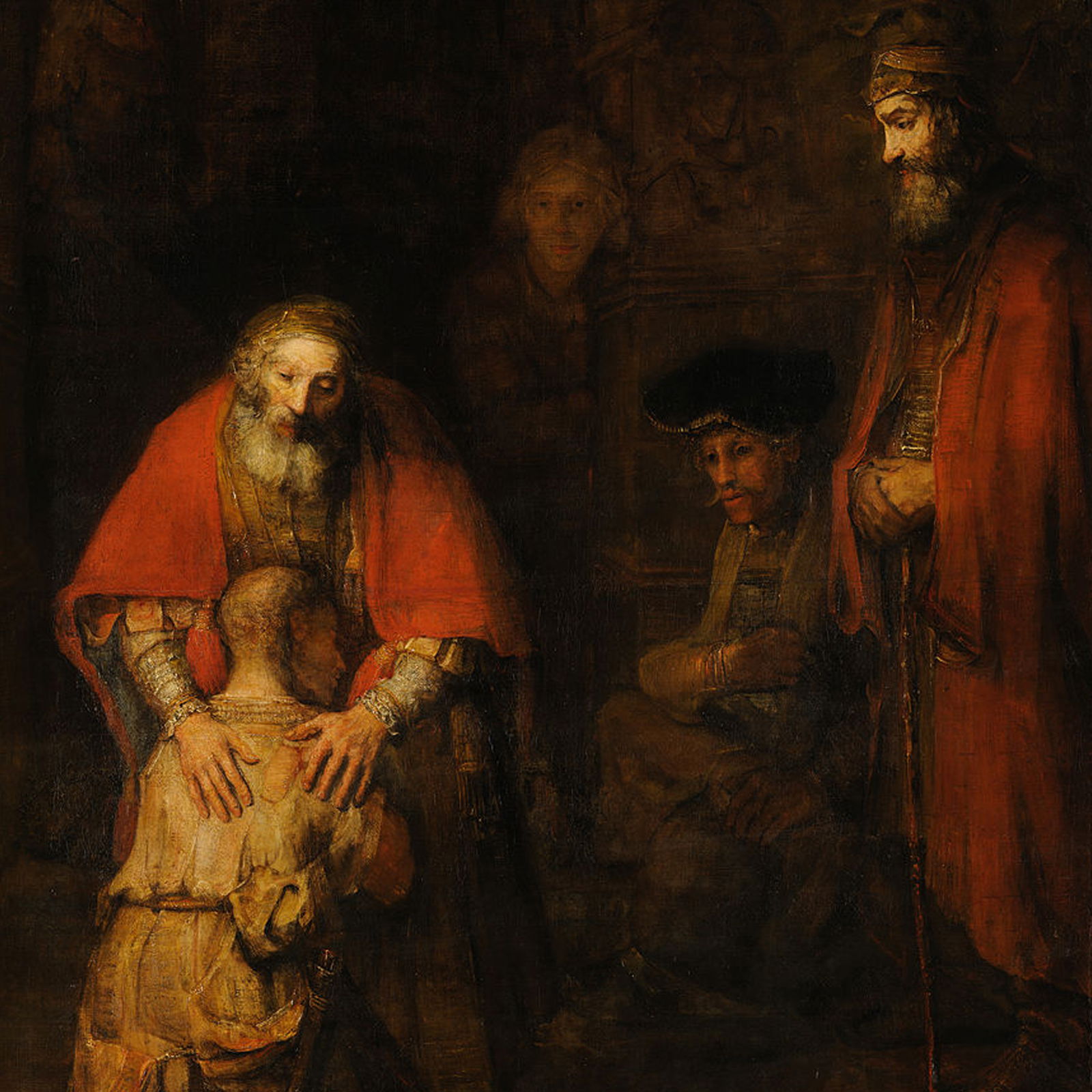
Vocation of a Catholic Scientist – Prof. Karin Öberg
Prof. Karin Öberg reflects on her journey from atheism to Catholicism and explains how the vocation of a Catholic scientist and professor involves uniting rigorous scientific inquiry with the Catholic intellectual tradition in order to contemplate God through creation and to renew the life of the university.
Guest: Prof. Karin Öberg
Jan. 14, 2026
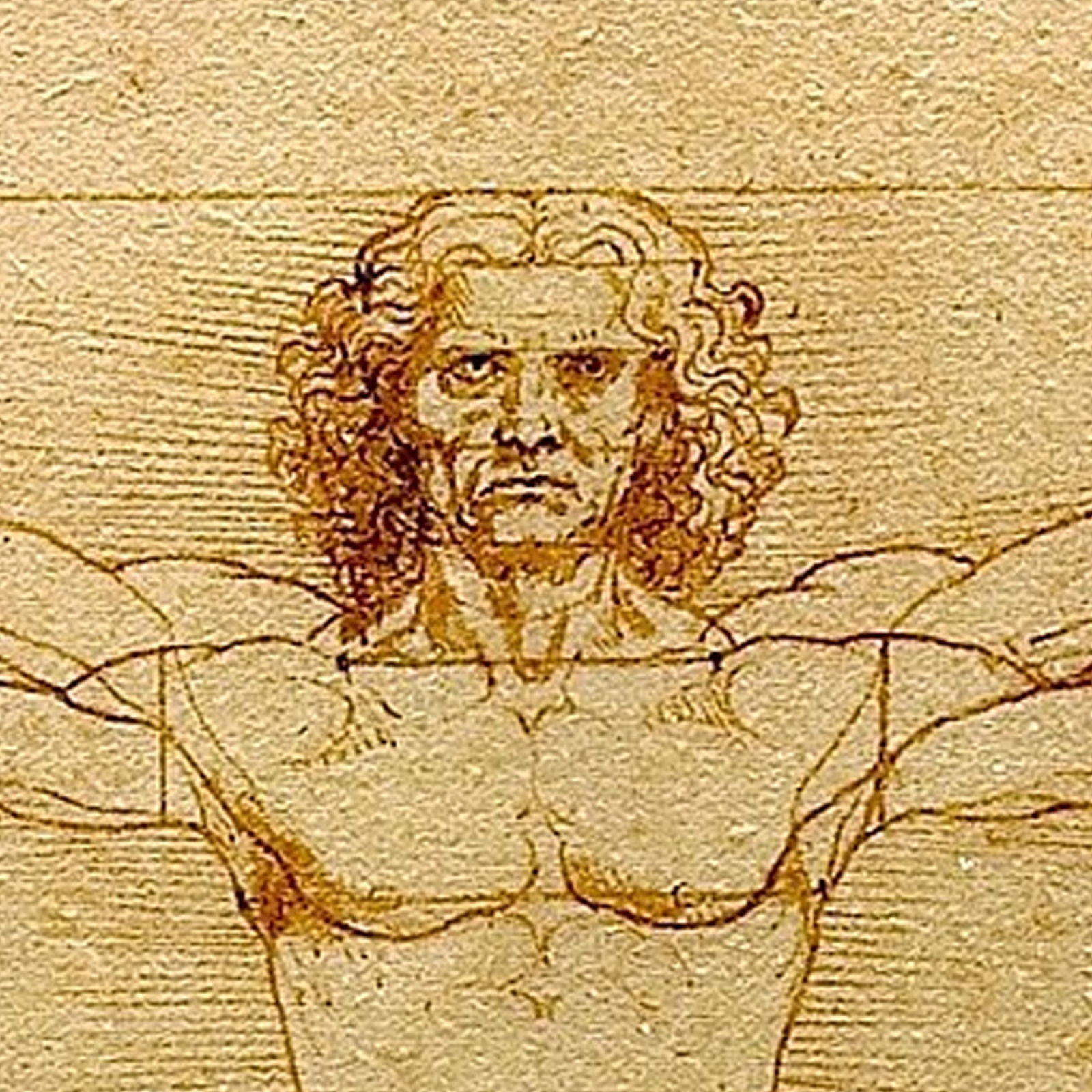
Rewiring the Brain – Dr. William Hurlbut
Dr. William Hurlbut examines how natural neuroplasticity, education, lifestyle, and new neurotechnologies are “rewiring the brain,” highlighting both their therapeutic promise and their dangers in an age of addictive digital culture, standardized schooling, and powerful biotechnological interventions.
Guest: Dr. William Hurlbut
Dec. 22, 2025
The Disappearing Man: Body, Soul, and the Question of Who We Are – Dr. Paul LaPenna
Dr. Paul LaPenna uses the dramatic case of a man in a coma from autoimmune brain disease to show that personal identity endures despite severe loss of abilities, arguing from neurology and Thomistic philosophy that a human person is a unified body–soul substance whose soul grounds changing traits over time.
Guest: Dr. Paul LaPenna
Nov. 12, 2025
George Lemaitre: The Catholic Priest Who Proposed the Big Bang Theory – Prof. Jonathan Lunine
Prof. Jonathan Lunine tells the story of Georges Lemaître—the Catholic priest and physicist who proposed the Big Bang theory—showing how his pioneering science, deep faith, and personal humility revolutionized modern cosmology and bridged the perceived gap between religion and science.
Guest: Prof. Jonathan Lunine
Nov. 11, 2025
Does AI Have a Soul? – Dr. Edmund Lazzari
Dr. Edmund Lazzari critically assesses claims that artificial intelligence systems might possess souls, arguing from Thomistic philosophy and computational neuroscience that AI lacks genuine abstraction, intentionality, and the ontological requirements for immaterial intelligence.
Guest: Dr. Edmund Lazzari
Oct. 15, 2025
The Measure of All Things? Rethinking Constants and Replicability in the Life Sciences – Prof. Santiago Schnell
Prof. Santiago Schnell’s lecture examines the challenges of measurement, scientific constants, and replicability in the life sciences, highlighting how philosophical and mathematical models are crucial for advancing biological research.
Guest: Prof. Santiago Schnell
Oct. 14, 2025
The Plasma Membrane: Boundary and Bridge at the Edge of Life – Prof. Keith Kozminski
Prof. Keith Kozminski explores the plasma membrane’s evolving scientific understanding, highlighting its role as both boundary and bridge in cellular life through detailed analysis of structure, function, and paradigm shifts in biology.
Guest: Prof. Keith Kozminski
Sept. 25, 2025
How Planetary Science Unifies the Search for Life Beyond Earth I Prof. Jonathan I. Lunine
Prof. Jonathan Lunine explains how planetary science unifies the search for life beyond Earth by integrating astronomy, geology, chemistry, and atmospheric science to investigate habitable environments on Mars, Europa, Enceladus, Titan, and exoplanets. This lecture was given on July 18th, 2025, at Dominican House of Studies. For more information on upcoming events, visit us at thomisticinstitute.org/upcoming-events. About the Speakers: Jonathan Lunine is the Chief Scienti...
Guest: Prof. Jonathan Lunine
Sept. 24, 2025
Nicolaus Steno and the Intersection of Disciplines in the Scientific Revolution I Prof. Nuno Castel-Branco
Prof. Nuno Castel-Branco examines Nicolaus Steno’s innovative use of focused interdisciplinarity during the Scientific Revolution, tracing Steno’s groundbreaking shift from anatomy to geology and theology by integrating mathematics, mechanical philosophy, and collaboration across European scientific circles. This lecture was given on July 17th, 2025, at Dominican House of Studies. For more information on upcoming events, visit us at thomisticinstitute.org/upcoming-events. About...
Guest: Prof. Nuno Castel-Branco
July 21, 2025
Are Science and Faith Compatible? I Prof. Karin Öberg
Harvard astronomer Prof. Karin Öberg examines the compatibility of science and faith, addressing perceived conflicts through philosophical, doctrinal, psychological, and historical lenses while emphasizing Catholic intellectual tradition and the role of reason.
Guest: Prof. Karin Öberg
June 30, 2025
Free Will and the Brain | Fr. Anselm Ramelow, O.P.
Fr. Anselm Ramelow explores the philosophical and scientific debates surrounding free will, examining cultural attitudes, neuroscience experiments like Benjamin Libet's, and the necessity of free will for rational thought and moral responsibility. This lecture was given on September 14th, 2024, at Dominican House of Studies. For more information on upcoming events, visit us at thomisticinstitute.org/upcoming-events. About the Speaker: Fr. Anselm Ramelow, O.P., a native of...
Guest: Fr. Anselm Ramelow, O.P.
June 24, 2025
Pope John Paul II's Salvifici Doloris I Prof. Gina Noia
Prof. Gina Noia explores Catholic teaching on medical treatment decision-making, focusing on how suffering, prudence, and the distinction between ordinary and extraordinary means inform ethical choices in end-of-life care, euthanasia, and palliative care, as illustrated by real clinical cases. This lecture was given on March 8th, 2025, at Dominican House of Studies. For more information on upcoming events, visit us at thomisticinstitute.org/upcoming-events. About the Speaker: ...
Guest: Prof. Gina Noia
June 23, 2025
Suffering and End-of-Life Care I Prof. Gina Noia
Prof. Gina Noia explores Catholic teaching on end-of-life care, suffering, and medical treatment decision-making, highlighting the nuanced distinction between morally obligatory and optional treatments within the Catholic ethical tradition. This lecture was given on March 8th, 2025, at Dominican House of Studies. For more information on upcoming events, visit us at thomisticinstitute.org/upcoming-events. About the Speaker: Gina Maria Noia, PhD, is an Assistant Professor o...
Guest: Prof. Gina Noia
May 21, 2025
What Can We Learn from Aquinas About AI? | Prof. Gyula Klima
Prof. Gyula Klima uses Aquinas’ philosophy of mind to argue that human intelligence, rooted in immaterial universal concept formation, is metaphysically distinct from artificial general intelligence (AGI), though AGI can still serve as a powerful tool for enhancing human understanding and life.
Guest: Prof. Gyula Klima