Theology Episodes
Feb. 23, 2026
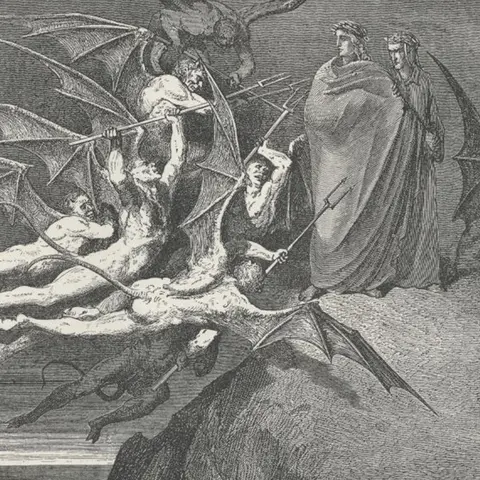
Dante’s Passionate Intellect: The Divine Comedy’s Journey of Desire – Prof. George Corbett
Prof. George Corbett presents Dante’s Divine Comedy as a transformative “journey of desire” in which the passionate intellect—shaped by Virgil (reason) and Beatrice (grace)—leads the sinner from the dark wood of sin and ignorance through Hell and Purgatory to the ordered love and beatific hope of Paradise.
Guest: Prof. George Corbett
Feb. 20, 2026
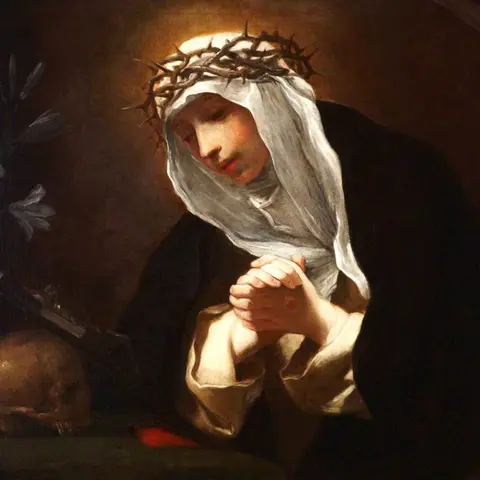
Edith Stein and Thomism – Dr. Robert McNamara
Dr. Robert McNamara presents Edith Stein and Thomistic personalism as a unified vision in which the human face reveals the mystery of the person as both substantial “what” and subjective “who,” integrating Aquinas’s account of rational nature with phenomenological insights into consciousness, interiority, and personal encounter.
Guest: Dr. Robert McNamara
Feb. 17, 2026
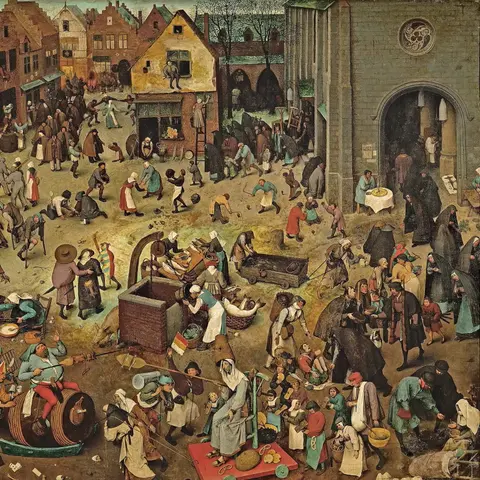
Money, Pleasure, Influence and the Key to a Happy Life – Fr. Gregory Pine, O.P.
Fr. Gregory Pine shows how money, pleasure, and influence all fail as ultimate goals and argues that true happiness comes from living in accord with our nature as creatures made for communion with God through the theological virtues of faith, hope, and charity.
Guest: Fr. Gregory Pine, O.P.
Feb. 11, 2026
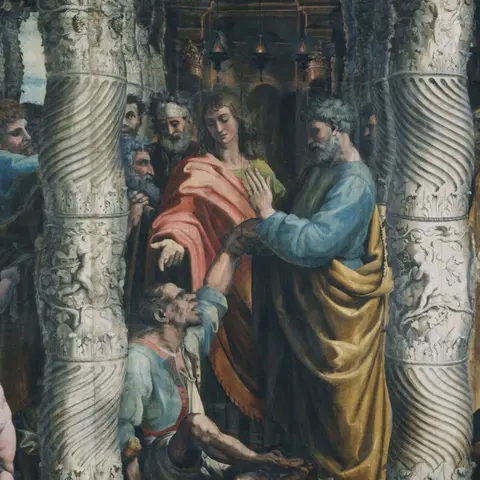
The Types of Miracles and the Possibilty of Demonic Miracles – Fr. Anselm Ramelow, O.P.
Fr. Anselm Ramelow explains how, in a Thomistic framework, miracles are graded by how they surpass nature and why only God can perform the highest-level miracles of creation and resurrection, while finite spirits—including demons—can produce lesser “signs” that must be carefully discerned.
Guest: Fr. Anselm Ramelow, O.P.
Feb. 10, 2026
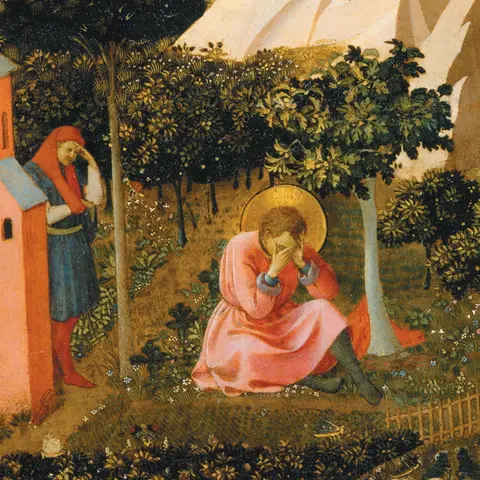
Fire on the Altar: A Lecture on St. Augustine – Prof. Chad Pecknold
Prof. Chad Pecknold shows how St. Augustine’s Confessions should be read as a Catholic, sacramental account of conversion in which the “altar of the heart” is turned toward God and united to Christ’s Eucharistic sacrifice, rather than as a merely emotional, garden-conversion memoir.
Guest: Prof. Chad Pecknold
Feb. 9, 2026
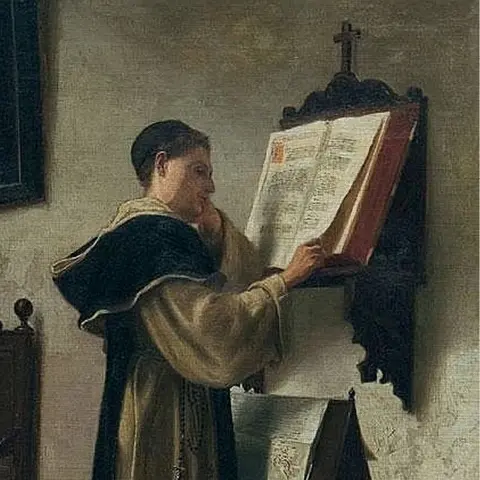
Dominican Mystics of the Rhineland – Fr. Irenaeus Dunlevy, O.P.
Fr. Irenaeus Dunlevy introduces the medieval Dominican mystics of the Rhineland and, in dialogue with Aquinas and Pseudo-Dionysius, shows how their often strikingly apophatic language about abyss, detachment, and “ground” can be critically integrated into a Trinitarian, Eucharistic vision of Christian mystical union.
Guest: Fr. Irenaeus Dunlevy, O.P.
Jan. 30, 2026
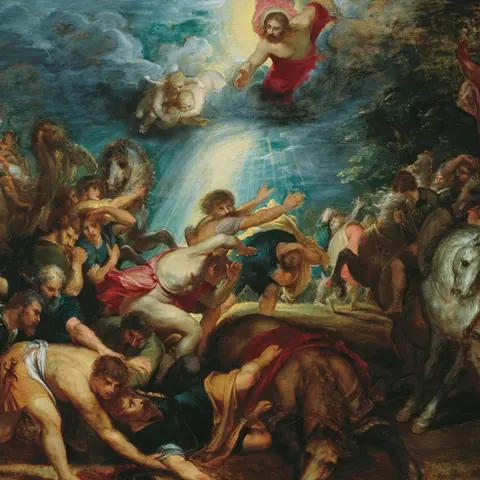
Creation vs. Creationism – Fr. Dominic Legge, O.P.
Fr. Dominic Legge distinguishes the classical Catholic doctrine of creation from modern creationism by showing how a robust Thomistic account of God as the transcendent cause of all being avoids conflict with evolutionary science while deepening our understanding of what it means for the world to be created.
Guest: Fr. Dominic Legge, O.P.
Jan. 22, 2026
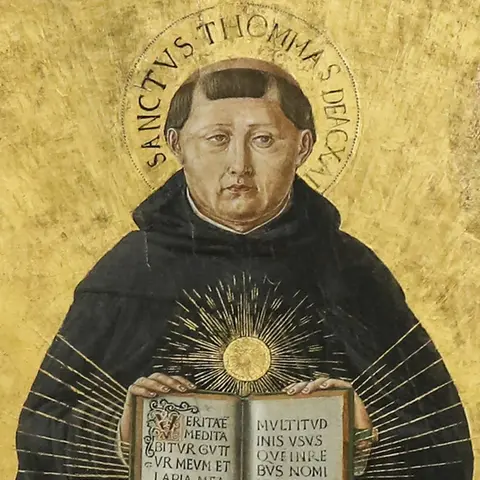
St. Thomas Aquinas on the Beatitudes – Fr. Anton ten Klooster
Fr. Anton ten Klooster explores St. Thomas Aquinas on the Beatitudes, showing how they map an ordered, grace‑filled path of virtues and gifts that lead from imperfect happiness in this life to perfect union with God in the next.
Guest: Fr. Anton ten Klooster
Jan. 7, 2026
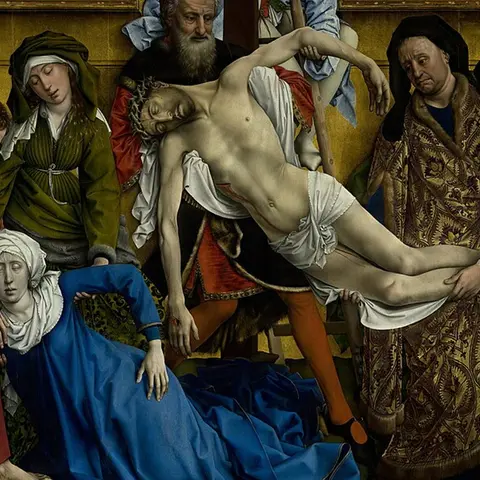
The God of Love and the Reality of Evil and Suffering – Prof. Chris Baglow
Prof. Chris Baglow explores how the God of love can allow evil and suffering by showing that a world created for freedom and love—not as a deterministic machine—necessarily entails the risk of physical and moral evils, yet opens a deeper path of redemptive goodness.
Guest: Prof. Christopher Baglow
Dec. 26, 2025
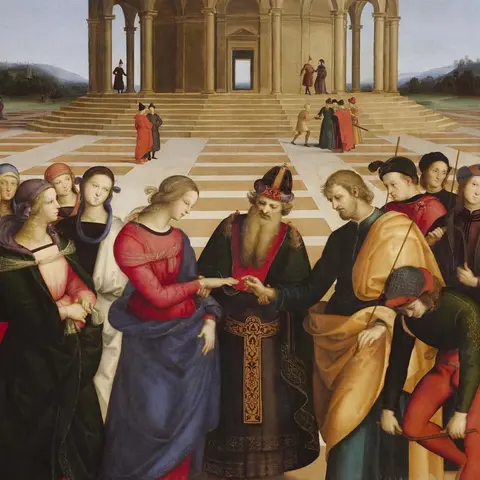
Why Get Married? The Catholic View of the Meaning and Purpose of Marriage – Prof. Michael Dauphinais
Prof. Michael Dauphinais explains marriage as a lifelong covenant of self-giving love between a man and a woman that images Christ’s union with the Church, ordered to the spouses’ sanctification and the procreation and education of children .
Guest: Prof. Michael Dauphinais
Dec. 25, 2025
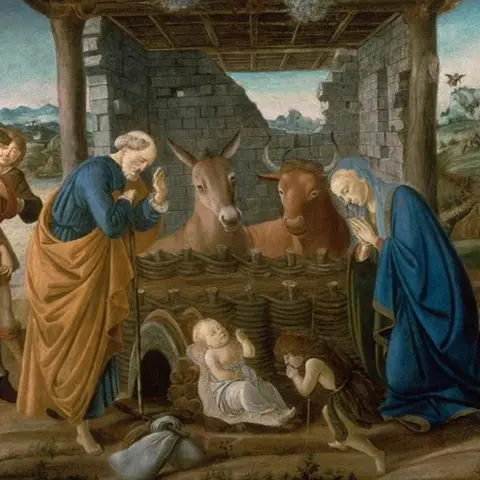
Why Did God Become Man? The Absolute Primacy of Christ According to Blessed Duns Scotus – Prof. Thomas Ward
Prof. Thomas Ward explains Scotus’s bold claim that the Incarnation is not primarily a response to human sin, but the centerpiece of God’s eternal plan for creation, so that Christ would have become incarnate even if Adam had never fallen .
Guest: Prof. Thomas Ward
Dec. 24, 2025
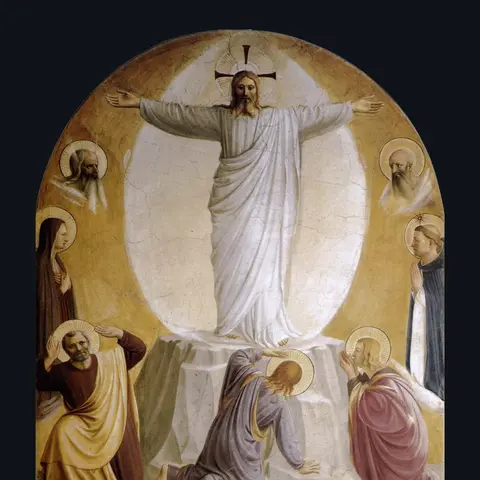
Participation in the Divine Nature: Aquinas and the Catholic Vision of Theosis – Fr. Gregory Pine, O.P.
Fr. Gregory Pine explains that, according to Aquinas, Christians are called to true divinization or theosis: by grace and the sacraments they really come to share in God’s own life without becoming God by nature, growing into intimate communion with the Triune God through Christ in whom this transformation is perfectly realized.
Guest: Fr. Gregory Pine, O.P.
Dec. 23, 2025
What Difference Did Christianity Make? Why the Ancient Greeks, Romans, and Irish Converted – Fr. Terence Crotty, O.P.
Fr. Terence Crotty argues that Christianity spread so rapidly because it uniquely answered the human search for truth and happiness while transforming social life through charity, dignity for slaves and women, and a compelling vision of a good and loving God that pagan religion and philosophy could not provide.
Guest: Fr. Terence Crotty, O.P.
Dec. 19, 2025
Rebutting Necessitarian Universalism: Three Thomistic Arguments – Prof. Mats Wahlberg
Prof. Mats Wahlberg argues that “necessitarian universalism”—the claim that hell is metaphysically impossible and that God must save all rational creatures—is incompatible with core Christian metaphysical commitments, and he develops three Thomistic arguments to show that the possibility of eternal damnation follows from God’s wisdom, respect for created natures, and desire for truly free self-gift.
Guest: Prof. Mats Wahlberg
Dec. 18, 2025
Reprobation and Permission of Sin – Prof. Thomas Osborne
Prof. Thomas Osborne explains reprobation and the permission of sin in Thomas Aquinas as the asymmetrical counterpart to predestination, where God positively causes the grace and merits leading the elect to glory but only permits the sins of the reprobate without ever willing or causing moral evil, thus safeguarding both divine justice and human responsibility.
Guest: Prof. Thomas Osborne
Dec. 17, 2025
Aquinas's Interpretation of Predestination in Scripture – Fr. Piotr Roszak
Fr. Piotr Roszak shows how Thomas Aquinas interprets predestination through a deeply biblical lens, reading predestination as God’s merciful, Christ-centered plan to lead creation freely to a supernatural end and insisting that scriptural context is essential for avoiding deterministic distortions of the doctrine.
Guest: Fr. Piotr Roszak
Dec. 16, 2025
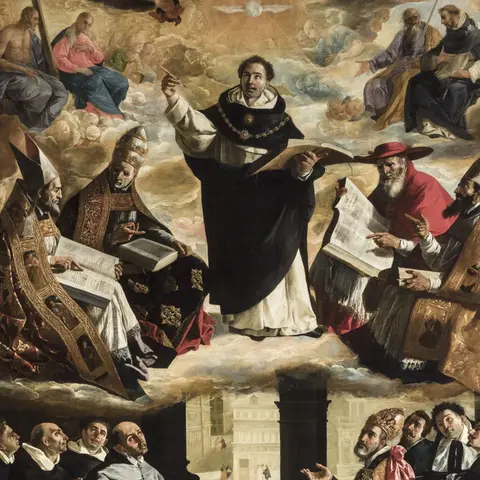
Why is Thomism so Fixated on Predestination? – Fr. Cajetan Cuddy, O.P.
Fr. Cajetan Cuddy explains that Thomism is “fixated” on predestination because this doctrine lies at the speculative and practical center of the Thomistic vision of reality, uniting its key philosophical principles and theological convictions about God, creation, grace, and salvation in a single, coherent account.
Guest: Fr. Cajetan Cuddy, O.P.
Dec. 15, 2025
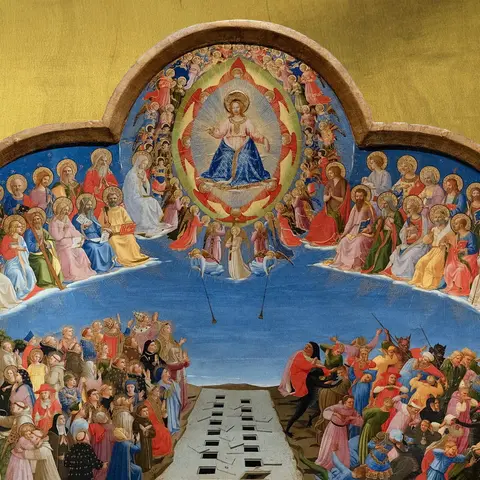
What is predestination? – Fr. Dominic Legge, O.P.
Fr. Dominic Legge explains predestination as a profoundly hopeful Catholic doctrine rooted in God’s eternal, loving plan to give grace and lead rational creatures freely to the supernatural end of the beatific vision, drawing especially on Saint Thomas Aquinas and Saint Augustine.
Guest: Fr. Dominic Legge, O.P.
Dec. 11, 2025
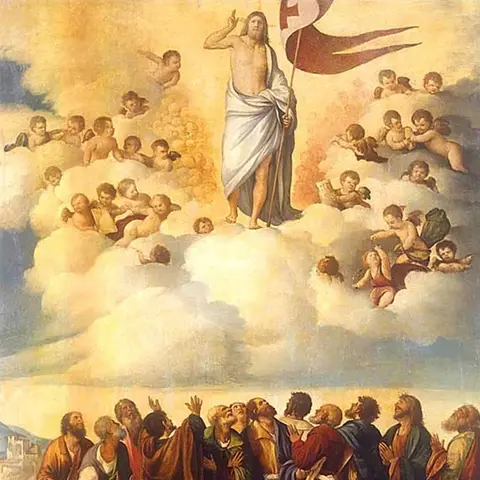
'The greatest of all God's works': Justification in Catholic Theology – Prof. Matthew Thomas
Prof. Matthew Thomas explains why justification—God’s transformative act of making sinners righteous in Christ by grace through faith and incorporation into the Church—is, for Aquinas, greater even than creation, and explores how Catholic teaching on faith, works, and grace can address Reformation-era controversies and open paths toward Protestant–Catholic reconciliation.
Guest: Prof. Matthew Thomas
Dec. 8, 2025
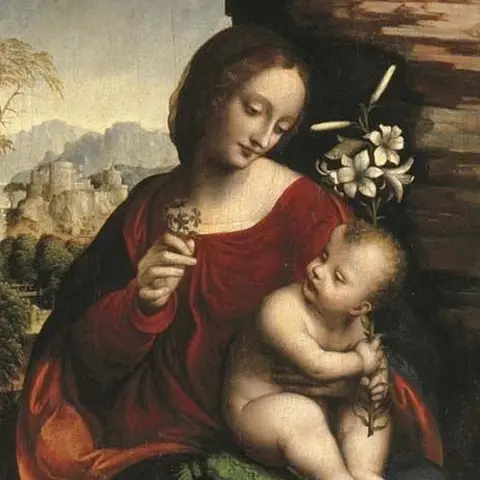
The History of Devotion to Mary: She Who Leads Us to Jesus – Fr. John Langlois, O.P.
Fr. John Langlois traces how Marian doctrine and devotion—from Scripture and the early Fathers through medieval councils, liturgy, and architecture—culminate in the rosary as a Christ-centered, biblically rooted prayer that brings believers to Jesus through Mary’s maternal intercession.
Guest: Fr. John Langlois, O.P.
Dec. 1, 2025
Why We Need the Saints – Prof. Adam Eitel
Prof. Adam Eitel argues that God’s divine pedagogy makes the examples of the saints indispensable for our salvation, since their concrete, imperfect yet graced lives teach us how to endure sorrow, grow in virtue, and imitate Christ in the real circumstances of our own time.
Guest: Prof. Adam Eitel
Nov. 18, 2025
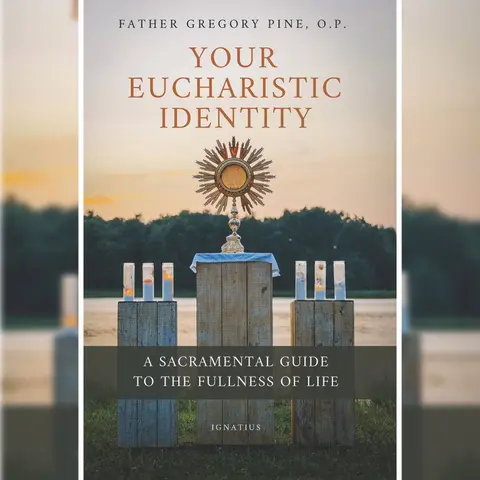
Your Eucharistic Identity – Fr. Gregory Pine, O.P.
Fr. Gregory Pine explores the Eucharist as the foundation of Catholic identity, showing how sacramental worship unites the past, present, and future of salvation history and invites believers into personal transformation, unity, and divine love.
Guest: Fr. Gregory Pine, O.P.
Nov. 13, 2025
Would St. Thomas Baptize and Extraterrestrial? – Dr. Edmund Lazzari
Dr. Edmund Lazzari uses Thomistic philosophy and sacramental theology to analyze whether extraterrestrial intelligences could be baptized, exploring questions of nature, the soul, salvation, and God’s freedom to grant grace beyond the human species.
Guest: Dr. Edmund Lazzari
Nov. 5, 2025
How to Know God? Philosophical Wisdom and Divine Revelation – Prof. Michael Dauphinais
Prof. Michael Dauphinais explores how Thomas Aquinas integrates philosophical wisdom and divine revelation, showing that genuine knowledge of God arises from both reason and the transformative experience of Christ’s incarnation and the Holy Spirit.
Guest: Prof. Michael Dauphinais