Intellectual Retreats Episodes
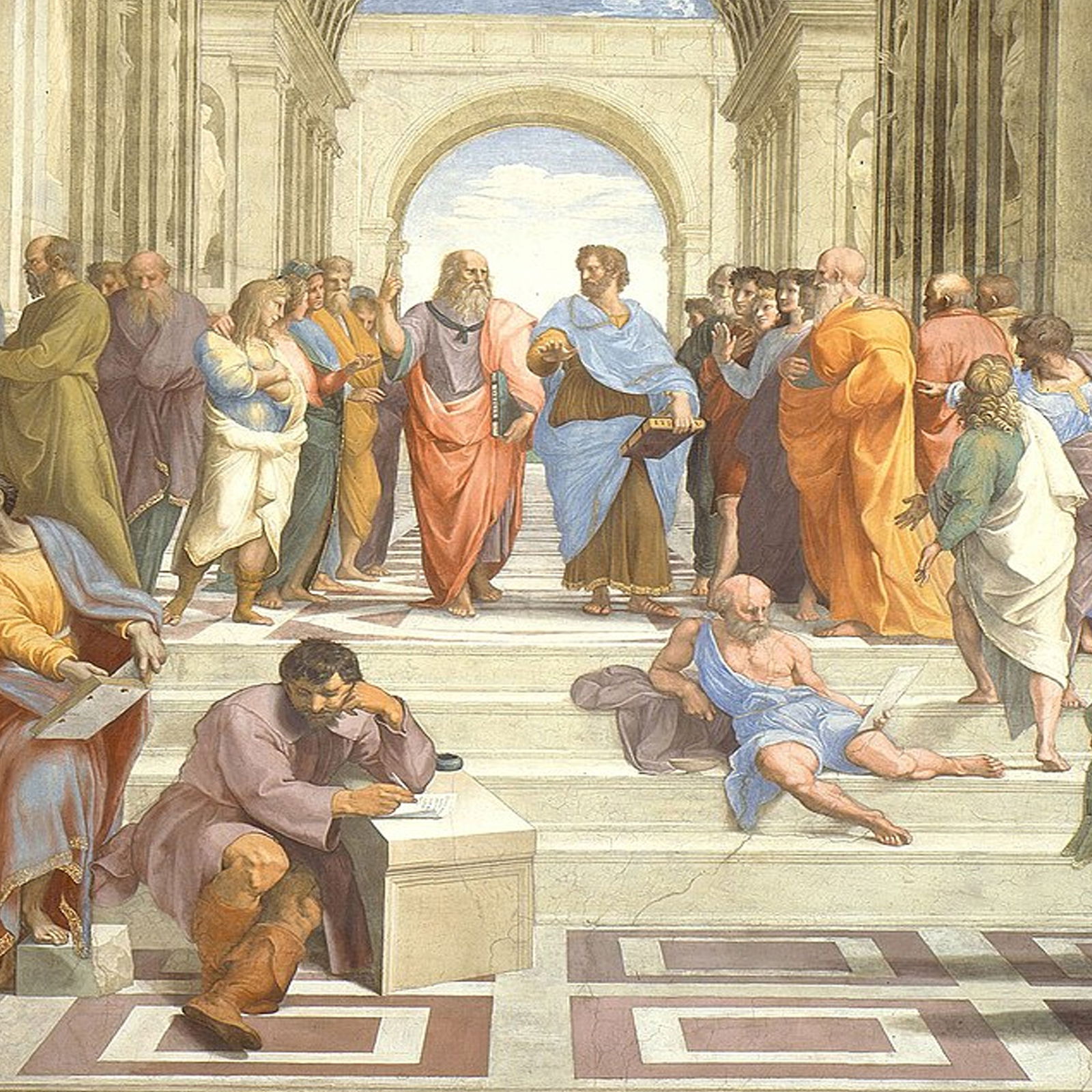
Dante and Aquinas – Prof. George Corbett
Prof. George Corbett examines how Dante’s vision of Christian wisdom, politics, and philosophy stands in deep harmony with Aquinas and Pope Leo XIII’s Leonine Thomistic revival, against Etienne Gilson’s charge that Dante shattered both Thomism and Christendom.
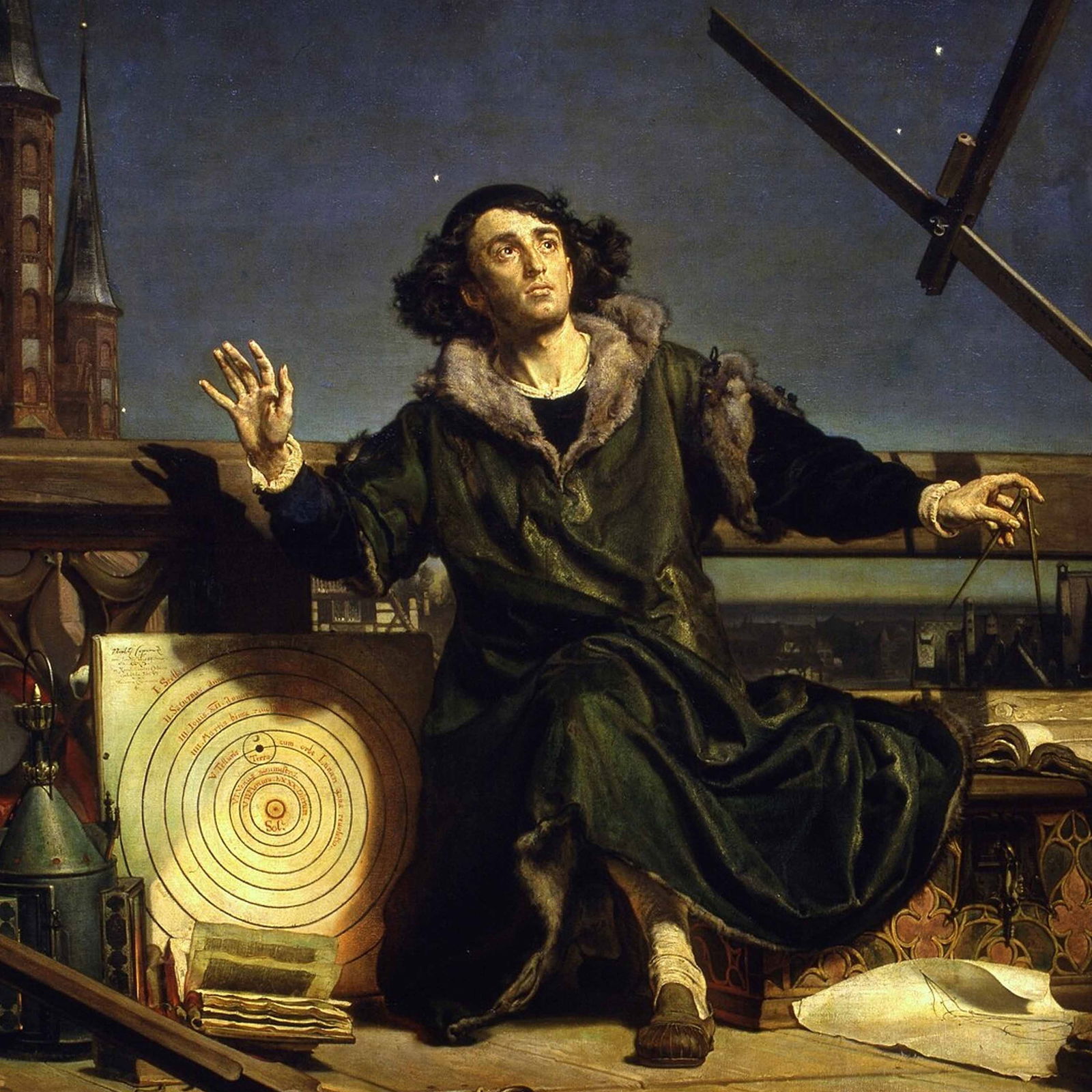
The Making of Another Catholic Scientist – Prof. Jonathan Lunine
Prof. Jonathan Lunine offers a personal and intellectual witness that one can be both a serious planetary scientist and a committed Catholic, describing his journey from Jewish upbringing and “cradle astronomer” to baptism and then to public advocacy against the supposed science–faith conflict.
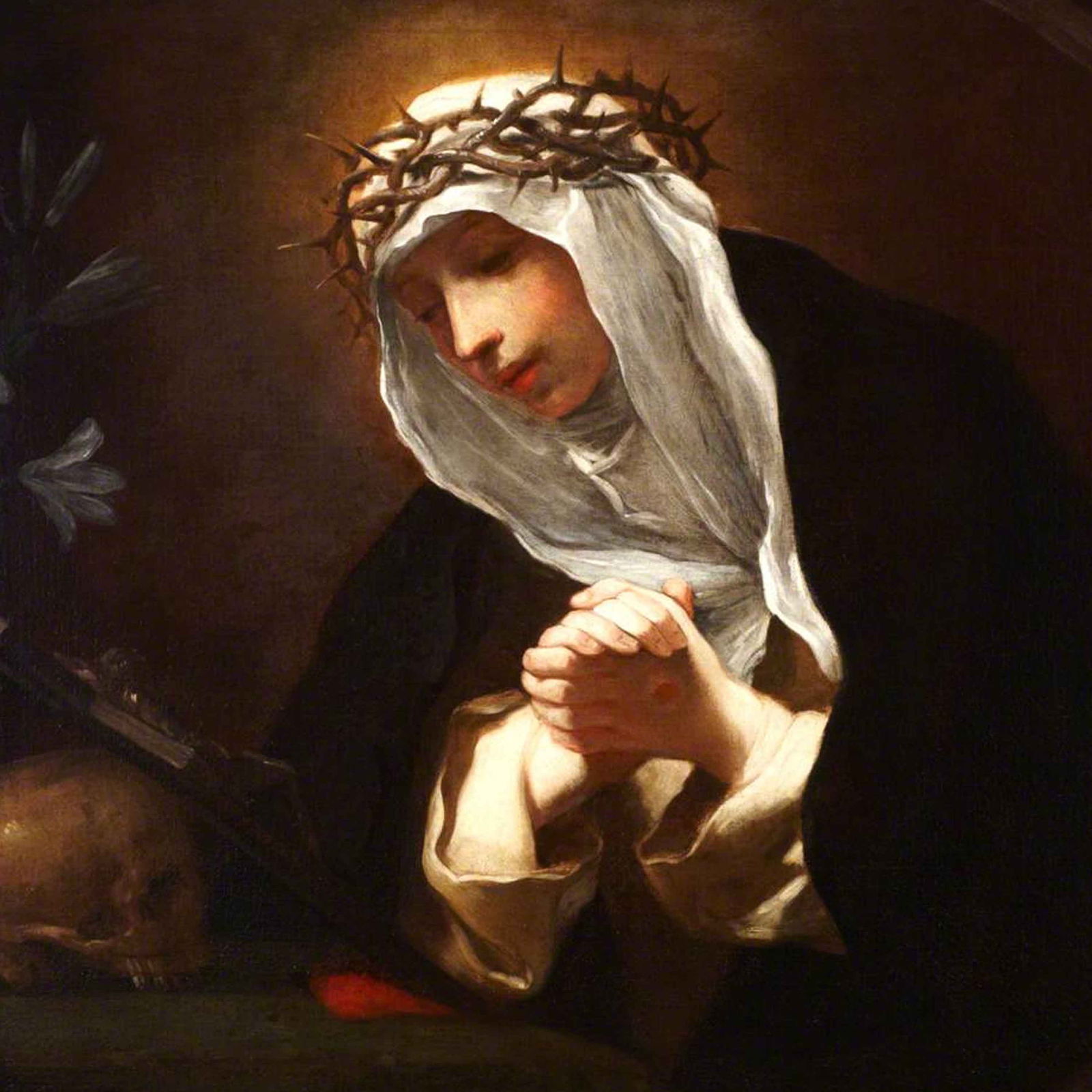
Edith Stein and Thomism – Dr. Robert McNamara
Dr. Robert McNamara presents Edith Stein and Thomistic personalism as a unified vision in which the human face reveals the mystery of the person as both substantial “what” and subjective “who,” integrating Aquinas’s account of rational nature with phenomenological insights into consciousness, inter…
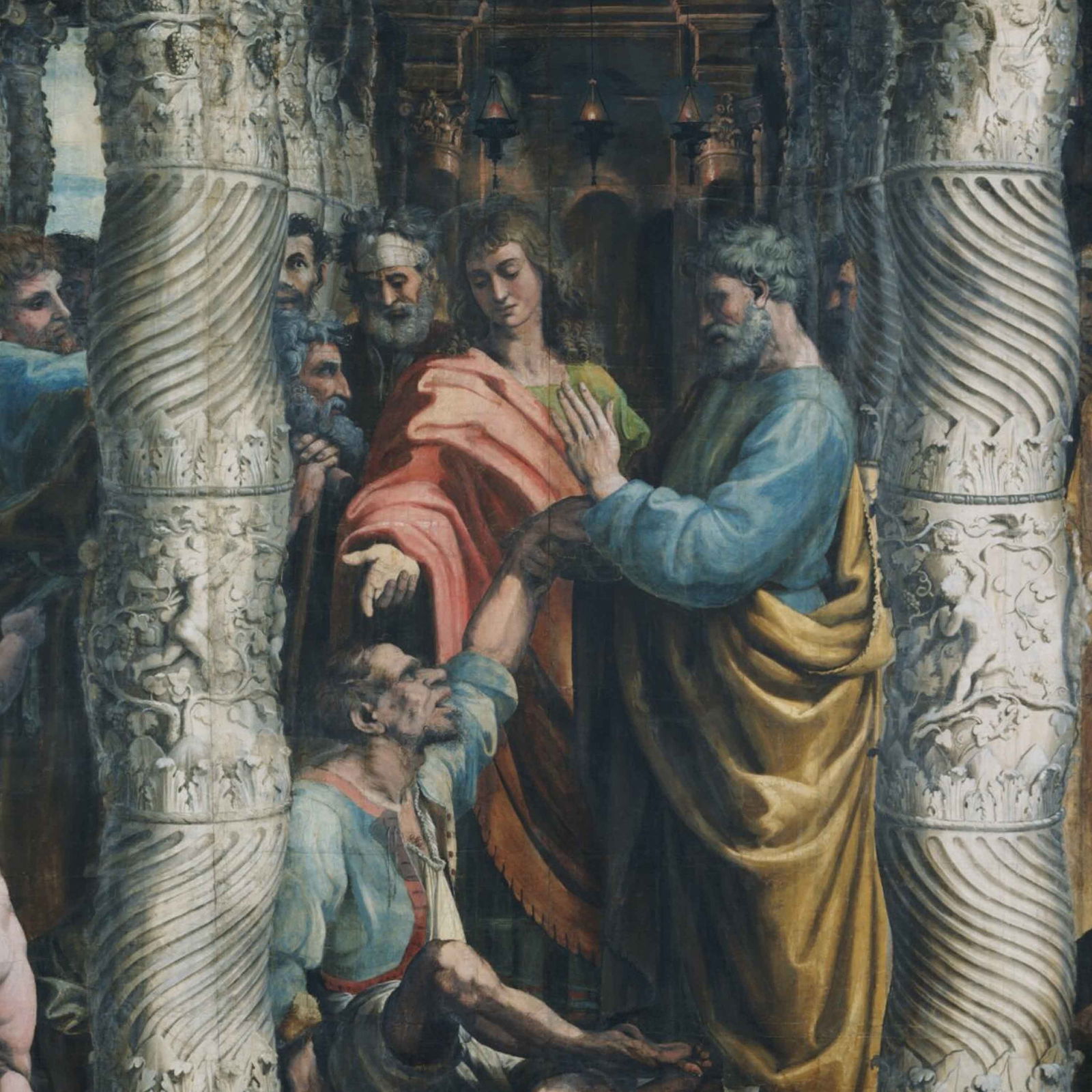
The Types of Miracles and the Possibilty of Demonic Miracles – Fr. An…
Fr. Anselm Ramelow explains how, in a Thomistic framework, miracles are graded by how they surpass nature and why only God can perform the highest-level miracles of creation and resurrection, while finite spirits—including demons—can produce lesser “signs” that must be carefully discerned.
Dominican Mystics of the Rhineland – Fr. Irenaeus Dunlevy, O.P.
Fr. Irenaeus Dunlevy introduces the medieval Dominican mystics of the Rhineland and, in dialogue with Aquinas and Pseudo-Dionysius, shows how their often strikingly apophatic language about abyss, detachment, and “ground” can be critically integrated into a Trinitarian, Eucharistic vision of Christ…
My Life Exploring the Solar System and Worlds Beyond – Prof. Jonathan…
Prof. Jonathan I. Lunine recounts his life as a planetary scientist, tracing how early inspirations from Carl Sagan and the space race led to his work on major NASA missions exploring the solar system and distant worlds, from Voyager and Cassini to Juno and Europa Clipper.
Vocation of a Catholic Scientist – Prof. Karin Öberg
Prof. Karin Öberg reflects on her journey from atheism to Catholicism and explains how the vocation of a Catholic scientist and professor involves uniting rigorous scientific inquiry with the Catholic intellectual tradition in order to contemplate God through creation and to renew the life of the u…
Icons and Idols: An Augustinian Reflection on Race, Racism, and Antir…
Prof. Kevin Kambo reflects on race, racism, and antiracism through Augustine, showing how modern racial categories operate as idolatrous myths born of the lust to dominate and calling listeners to see others instead as icons of God rather than instruments of civic or ideological projects.
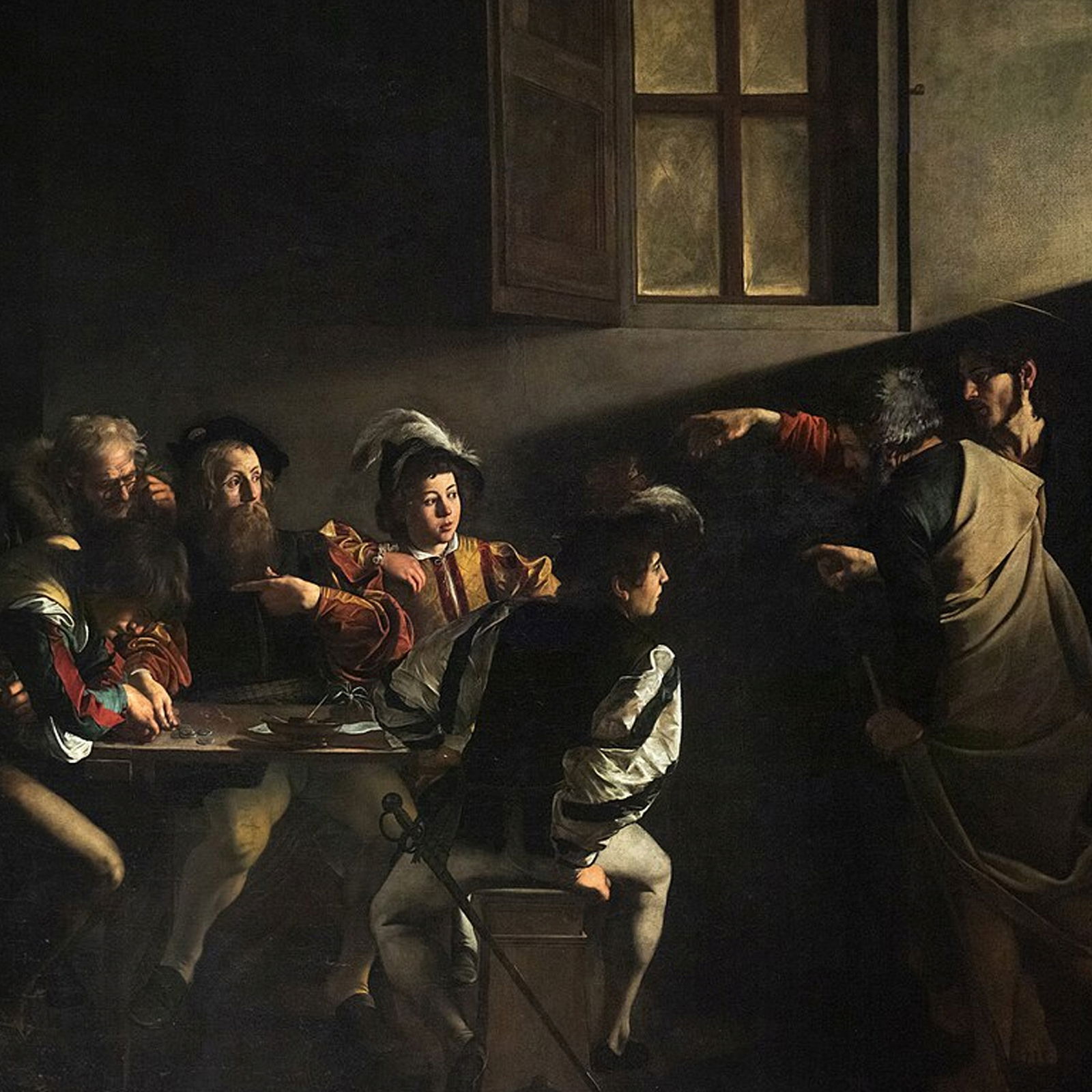
The Disappearing Man: Body, Soul, and the Question of Who We Are – Dr…
Dr. Paul LaPenna uses the dramatic case of a man in a coma from autoimmune brain disease to show that personal identity endures despite severe loss of abilities, arguing from neurology and Thomistic philosophy that a human person is a unified body–soul substance whose soul grounds changing traits o…
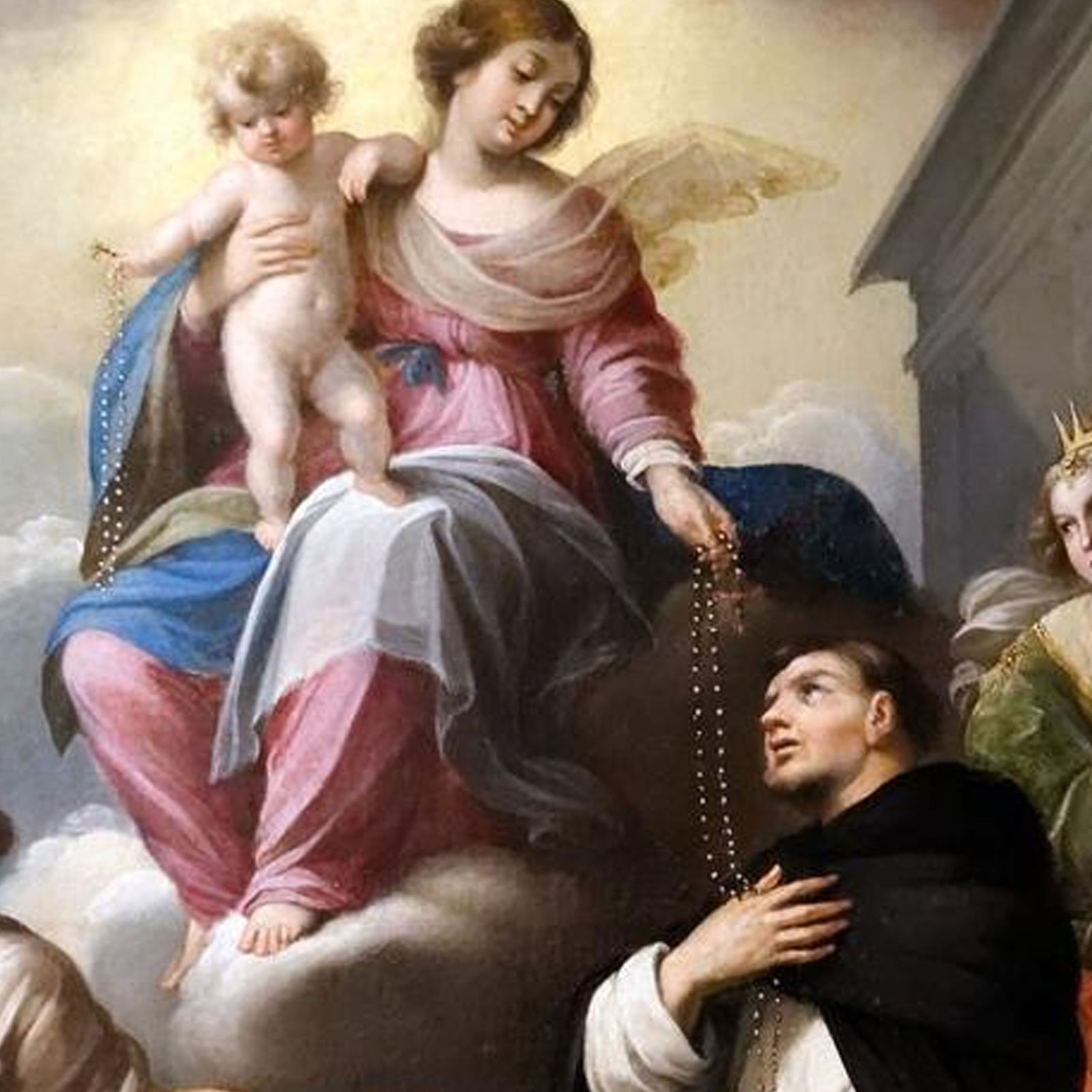
Living Mary's Mediation through De Montfort’s 'Total Consecration' – …
Fr. John Langlois presents Saint Louis de Montfort’s Marian spirituality of “total consecration” as the surest, easiest, and most secure way to live Mary’s maternal mediation and grow in intimate union with Jesus by entrusting one’s whole life to her.
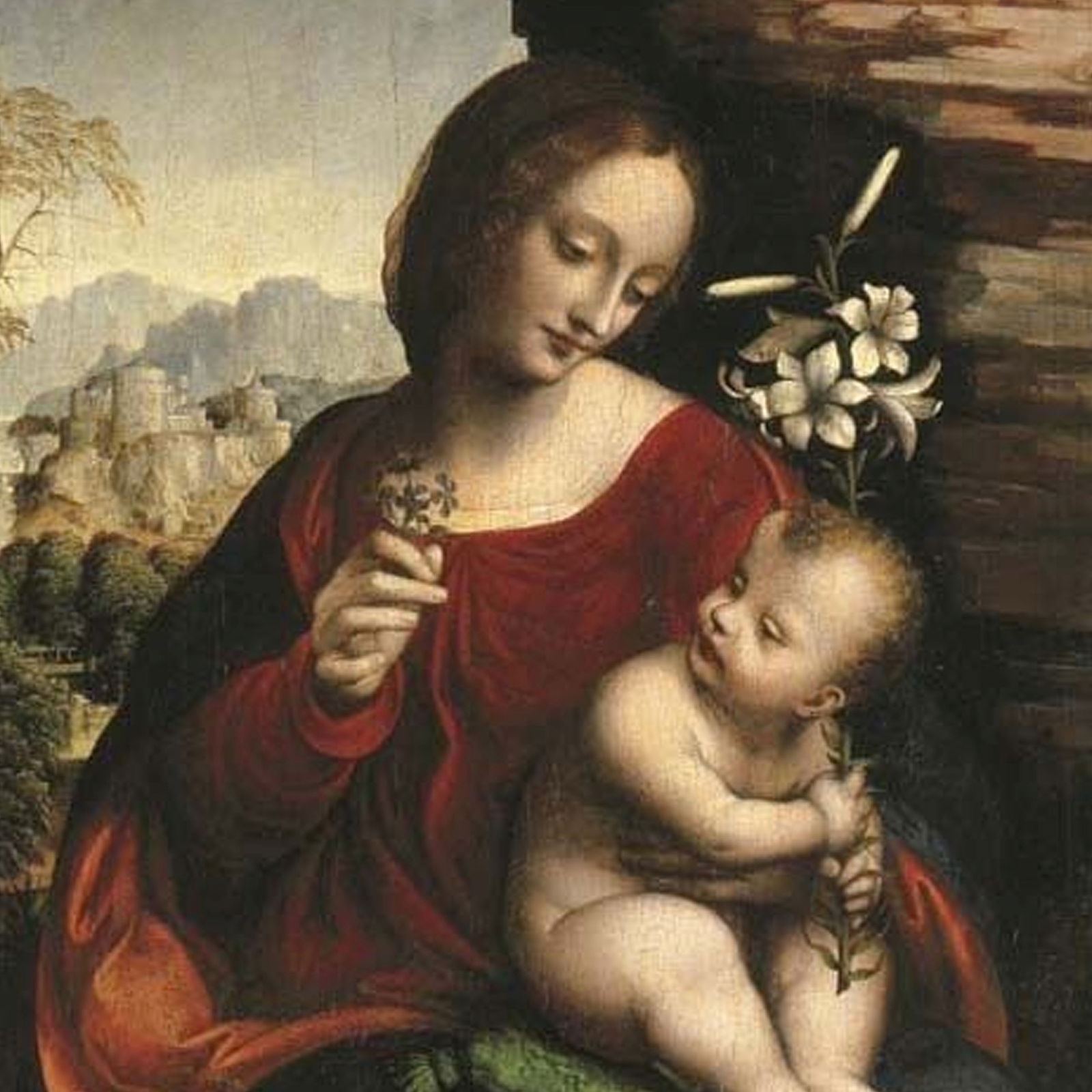
The History of Devotion to Mary: She Who Leads Us to Jesus – Fr. John…
Fr. John Langlois traces how Marian doctrine and devotion—from Scripture and the early Fathers through medieval councils, liturgy, and architecture—culminate in the rosary as a Christ-centered, biblically rooted prayer that brings believers to Jesus through Mary’s maternal intercession.
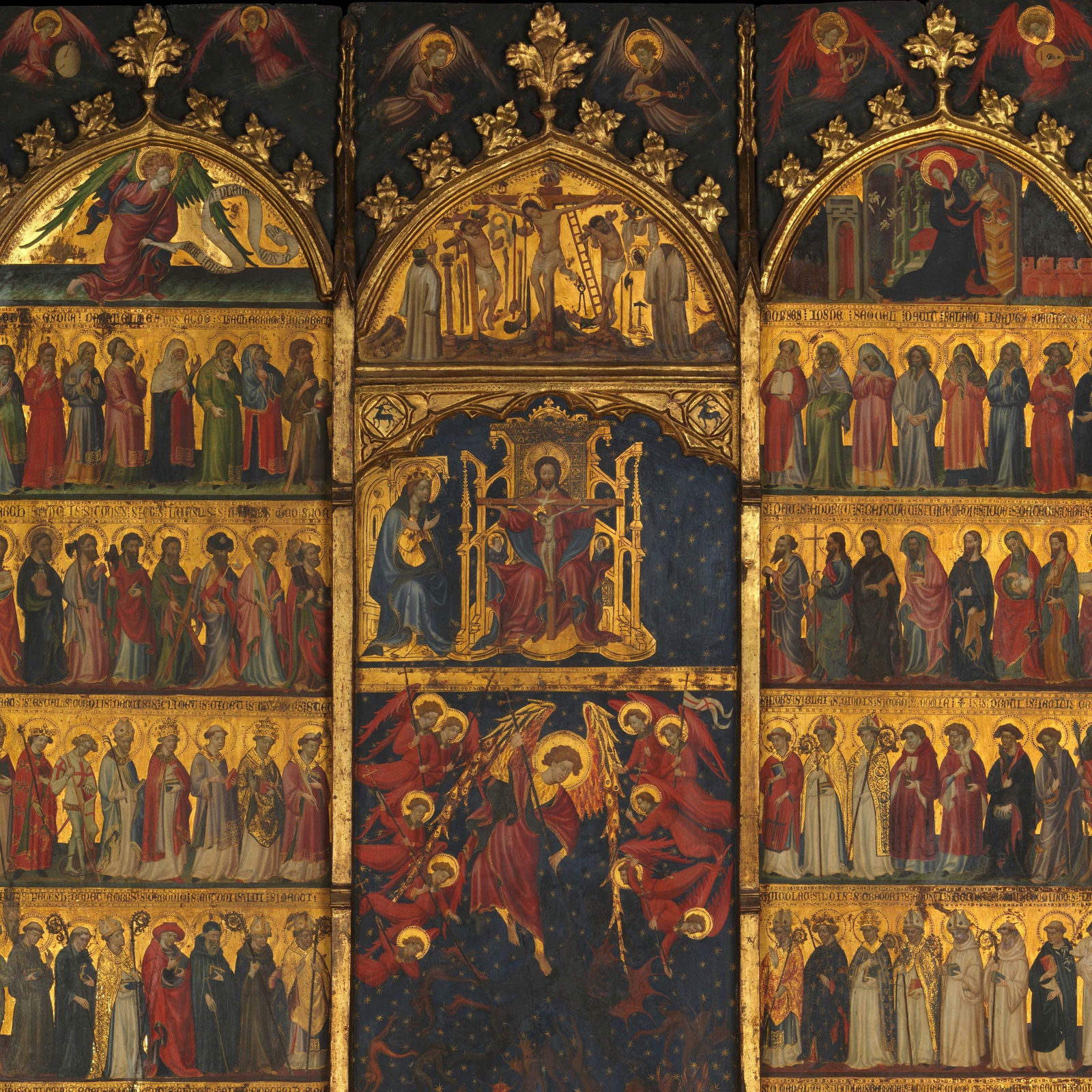
Is Free Will an Illusion? – Prof. Joshua Hochschild
Prof. Joshua Hochschild argues that free will is not an illusion but a real, rational power by which human beings participate in God’s causality, and that the supposed “problem of free will” arises from a reductive modern picture of causation and human nature rather than from the classical Aristote…
A Feeble Plant in the Breeze: Personal and Social Forms of Acedia – …
Prof. Carl Vennerstrom explores personal and social forms of acedia, tracing its origins from ancient monasticism to contemporary life and illuminating how distraction, restlessness, and identity crisis threaten fulfillment and virtue in the digital age.
How Many Friends Should I Have? I Fr. Aquinas Guilbeau, O.P.
Fr. Aquinas Guilbeau explores the nature, value, and varieties of friendship in Christian and philosophical tradition, highlighting the importance of cultivating friendships of pleasure, utility, and virtue for a fulfilling h...
What is Wisdom and Why Do We Need It? I Fr. Irenaeus Dunlevy, O.P.
In this lecture, Fr. Irenaeus Dunlevy explains how wisdom—philosophical, theological, and mystical—transcends mere technical knowledge and, therefore, is able to orient man's action toward divine truth and human flourishing. ...
The Happiness of Human Limitations I Fr. Gregory Pine, O.P.
In this lecture, Fr. Gregory Pine explores how true happiness is discovered by accepting and embracing the limits and commitments inherent to human life, rather than escaping them. This lecture was given on February 15th, 202...
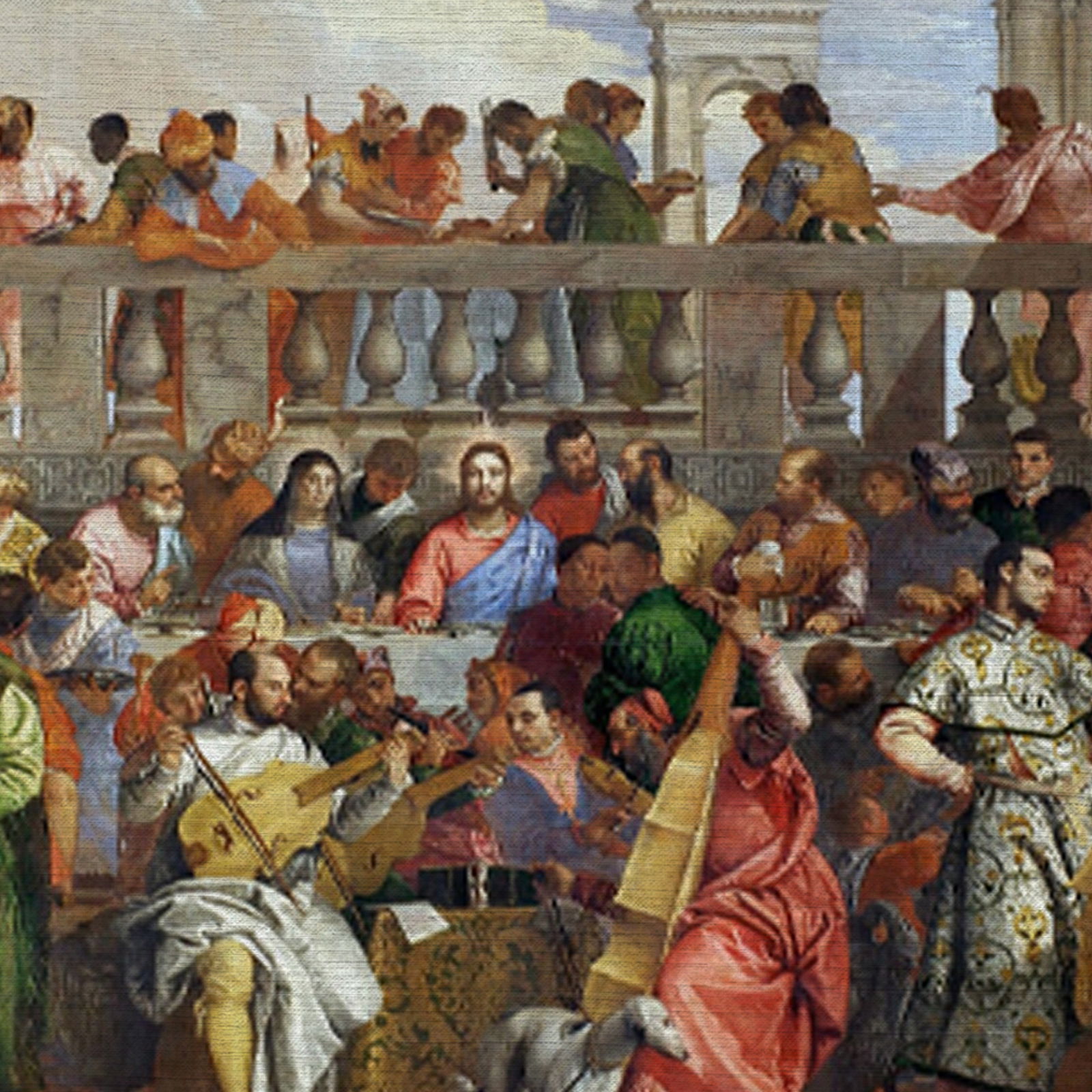
Happiness Understood Psychologically and Theologically I Prof. Christ…
Prof. Christopher Kaczor explores the relationship between positive psychology and Catholic theology, uncovering how empirical psychological findings on happiness align with and deepen spiritual practices like gratitude, service, and forgiveness.
Woman as Companion and as Mother | Sr. Elinor Gardner, O.P.
Sr. Elinor Gardner explores the vocation of women as companion and mother, drawing on Edith Stein’s philosophy to highlight the natural ethos of femininity as a gift received from God, characterized by a unique capacity for nurturing and companionship that shapes both family and professional life.
True Fatherhood as Archetype of Masculine Virtue | Prof. John Cuddeba…
Prof. John Cuddeback explores true fatherhood as the archetype of masculine virtue, examining its modes, challenges, and unique virtues through the lenses of Aristotelian philosophy, domestic prudence, and scriptural figures like Joseph.
Household as Natural Revelation of Masculinity and Femininity | Prof.…
Prof. John Cuddeback explores how the household serves as a natural revelation of masculinity and femininity, emphasizing the complementarity of men and women, the significance of virtue, and the essential roles of fatherhood and motherhood.
The Importance of Friendship in Marriage | Dr. Nathaniel Peters and P…
Dr. Nathaniel Peters and Prof. Jane Peters explore the vocation of marriage as a transformative friendship, highlighting how the goods of marriage—offspring, fidelity, and sacrament—are elevated by grace to foster virtue, mutual delight, and a living witness to Christ’s love.
Recovering the Image of God in Man (and Woman) | Sr. Elinor Gardner, …
Sr. Elinor Gardner explores the Christian understanding of virtue, emphasizing the theological and cardinal virtues as foundational to human excellence and the restoration of the image of God in man and woman.
Free Will and the Brain | Fr. Anselm Ramelow, O.P.
Fr. Anselm Ramelow explores the philosophical and scientific debates surrounding free will, examining cultural attitudes, neuroscience experiments like Benjamin Libet's, and the necessity of free will for rational thought and...
Could God Weep or Feel Pain? Christ's Assumption of Human Suffering f…
Prof. Paul Gondreau explores whether God could truly experience human emotions and suffering by examining Christ’s full humanity, the Church’s response to heresies like docetism and monophysitism, and the Aristotelian-Thomist...