Philosophy Episodes
Sept. 10, 2025
Technology In Our Relationship With God I Fr. Anselm Ramelow, O.P.
Fr. Anselm Ramelow examines how technology shapes and reflects our relationship with God, cautioning against both idolizing technology and seeking salvation through it, while affirming its proper role as an instrument serving man's chosen ends. This lecture was given on June 11th, 2025, at Dominican House of Studies. Secular campuses are being transformed, but the students need your help! Your gift before September fifteenth can launch a new TI chapter and change lives. Visit thomist...
Guest: Fr. Anselm Ramelow, O.P.
Sept. 9, 2025
Insight, Idolatry, and AI I Prof. Jordan Wales
Prof. Jordan Wales examines how AI-aided decision making and bias in fields like medicine and criminal justice risk reducing human engagement to idolatrous control, urging that technology must serve authentic love and responsibility rather than replace genuine insight and ethical discernment. This lecture was given on June 11th, 2025, at Dominican House of Studies. Secular campuses are being transformed, but the students need your help! Your gift before September fifteenth can launch...
Guest: Prof. Jordan Wales
Sept. 8, 2025
Predictive AI, Manipulation, and Human Freedom According to Aquinas I Fr. Anselm Ramelow, O.P.
Fr. Anselm Ramelow explores the tension between predictive artificial intelligence and human freedom, drawing on St. Thomas Aquinas to argue that while AI and social systems can influence and predict behavior to a certain degree, genuine free will and moral responsibility remain grounded in rational deliberation and virtue.
Guest: Fr. Anselm Ramelow, O.P.
Sept. 5, 2025
AI and Interpersonal Relationships I Prof. Jordan Wales
Prof. Jordan Wales explores the ethical and spiritual implications of interpersonal relationships with artificial intelligence, emphasizing the dangers of mistaking AI’s simulated personhood for authentic human connection.
Guest: Prof. Jordan Wales

Sept. 4, 2025
AI and Ethics I Fr. Anselm Ramelow, O.P.
Fr. Anselm Ramelow examines the ethical challenges of artificial intelligence, highlighting both its beneficial uses and its risks to human dignity, personal relationships, moral growth, and authenticity.
Guest: Fr. Anselm Ramelow, O.P.
Sept. 3, 2025
AI and Knowledge of the World I Prof. Jordan Wales
Prof. Jordan Wales explores how artificial intelligence and neural networks engage with meaning and knowledge, contrasting their statistical methods with the depth of human conceptual understanding rooted in philosophical and theological traditions. This lecture was given on June 10th, 2025, at Dominican House of Studies. For more information on upcoming events, visit us at thomisticinstitute.org/upcoming-events. About the Speakers: Jordan Wales is Associate Professor and John and Helen Kucz...
Guest: Prof. Jordan Wales
Sept. 2, 2025
Mind, Matter, and Life: Can Machines be People, too? I Fr. Anselm Ramelow, O.P.
Fr. Anselm Ramelow examines whether machines can possess consciousness or personhood, arguing from philosophical and theological perspectives that artificial intelligence lacks the essential qualities of subjective experience, intentionality, and rational unity found in living beings. This lecture was given on June 9th, 2025, at Dominican House of Studies. Secular campuses are being transformed, but the students need your help! Your gift before September fifteenth can launch a new TI chapter a...
Guest: Fr. Anselm Ramelow, O.P.
Sept. 1, 2025
AI and the Human Person I Prof. Jordan Wales
Prof. Jordan Wales critically examines the relationship between artificial intelligence and human personhood through the lens of Christian theology, exploring how AI challenges traditional notions of intelligence, consciousness, and relationality. This lecture was given on June 9th, 2025, at Dominican House of Studies. For more information on upcoming events, visit us at thomisticinstitute.org/upcoming-events. About the Speakers: Jordan Wales is Associate Professor and John and Helen Kuczmar...
Guest: Prof. Jordan Wales
Aug. 29, 2025
The Neuroscience of Vice and Virtue I Dr. Paul LaPenna
Dr. Paul LaPenna delves into the neuroscience of vice and virtue, explaining how neuroplasticity, habit formation, and philosophical insights from figures like Aquinas inform our understanding of humility, magnanimity, pride, and vainglory in the development of moral character.
Guest: Dr. Paul LaPenna
Aug. 28, 2025
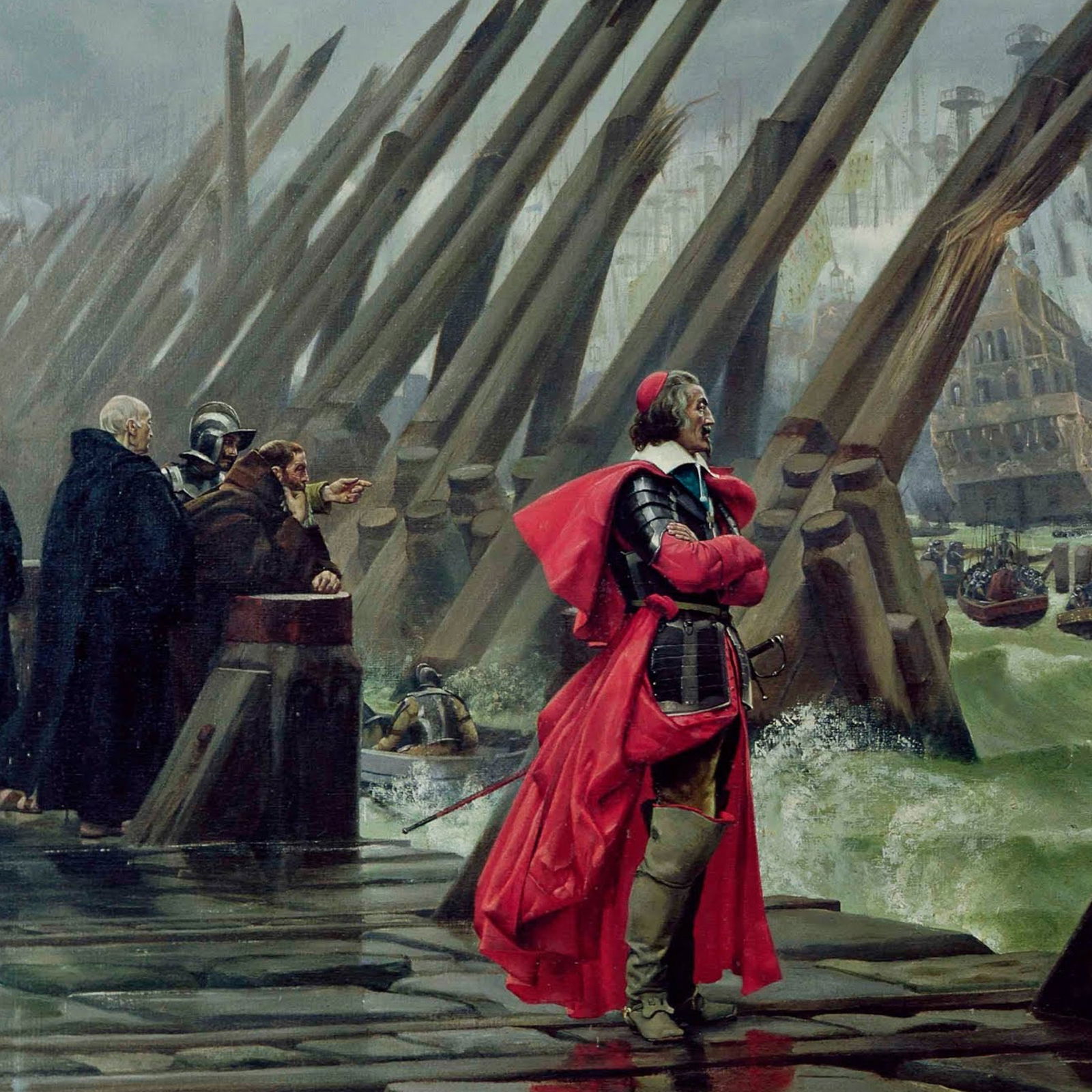
Origins of the Christian 'Just War' Tradition in Augustine's Anti-Manichean Works I Fr. Andrew Hofer, O.P.
Fr. Andrew Hofer explores the origins of the Christian just war tradition through Augustine’s anti-Manichean writings, examining the theological debates around violence, authority, and moral law within early Christianity.
Guest: Fr. Andrew Hofer, O.P.
Aug. 27, 2025
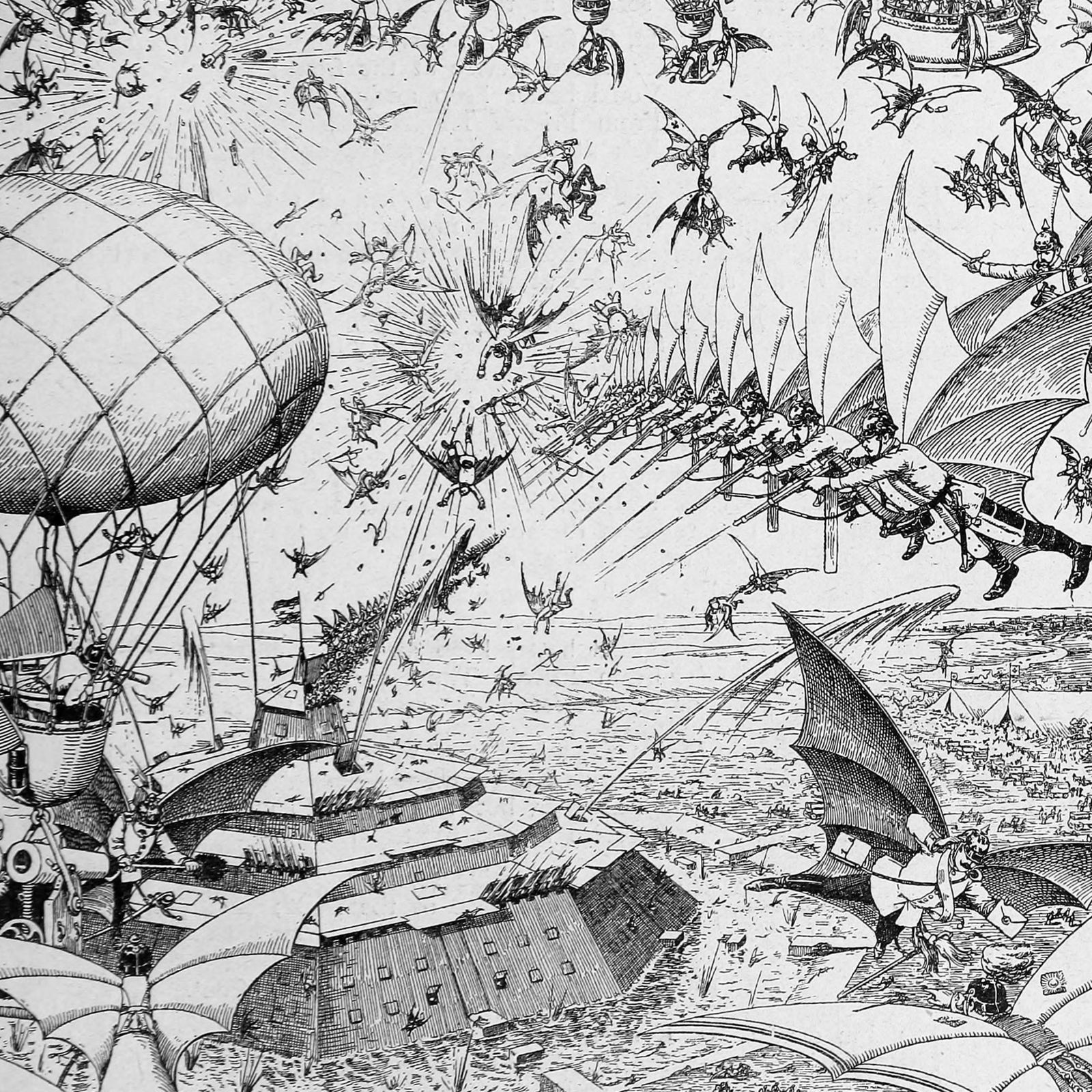
Drone Warfare and Just War Theory: Aquinas on the Virtuous Use of Violence I Prof. Michael Krom
Prof. Michael Krom analyzes the ethics of drone warfare through the lens of Aquinas’s just war tradition and virtue ethics, addressing moral principles of discrimination, proportionality, and the indispensability of human judgment in the use of violent technology.
Guest: Prof. Michael Krom
Aug. 26, 2025
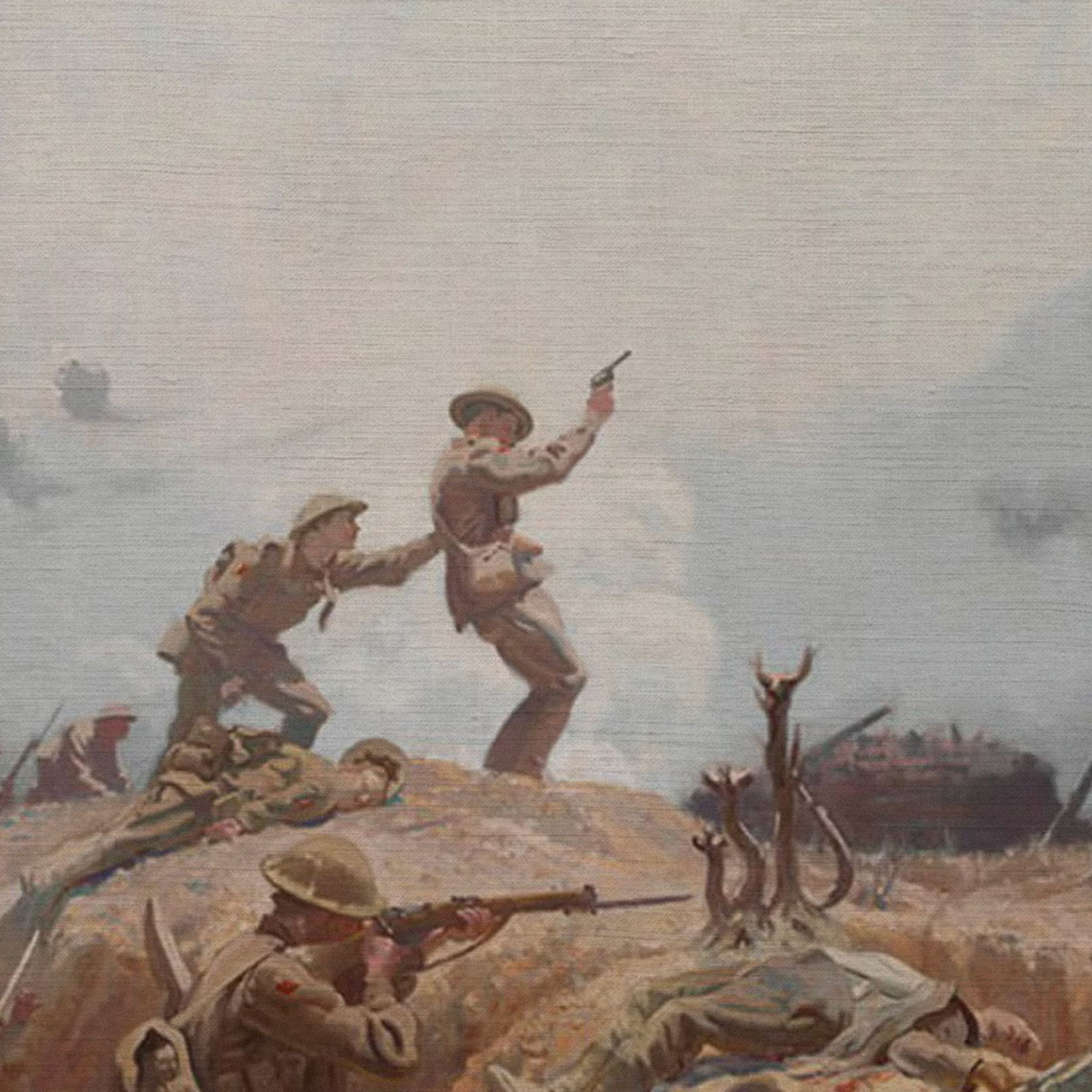
Just War Theory I Prof. Joseph Capizzi
Prof. Joseph Capizzi presents the just war account within the Catholic tradition, arguing that the use of force in war can be a moral act of peacemaking grounded in pursuit of the common good, and emphasizing the importance of authority, intention, cause, proportionality, and distinction between guilt and innocence.
Guest: Prof. Joseph Capizzi
Aug. 25, 2025
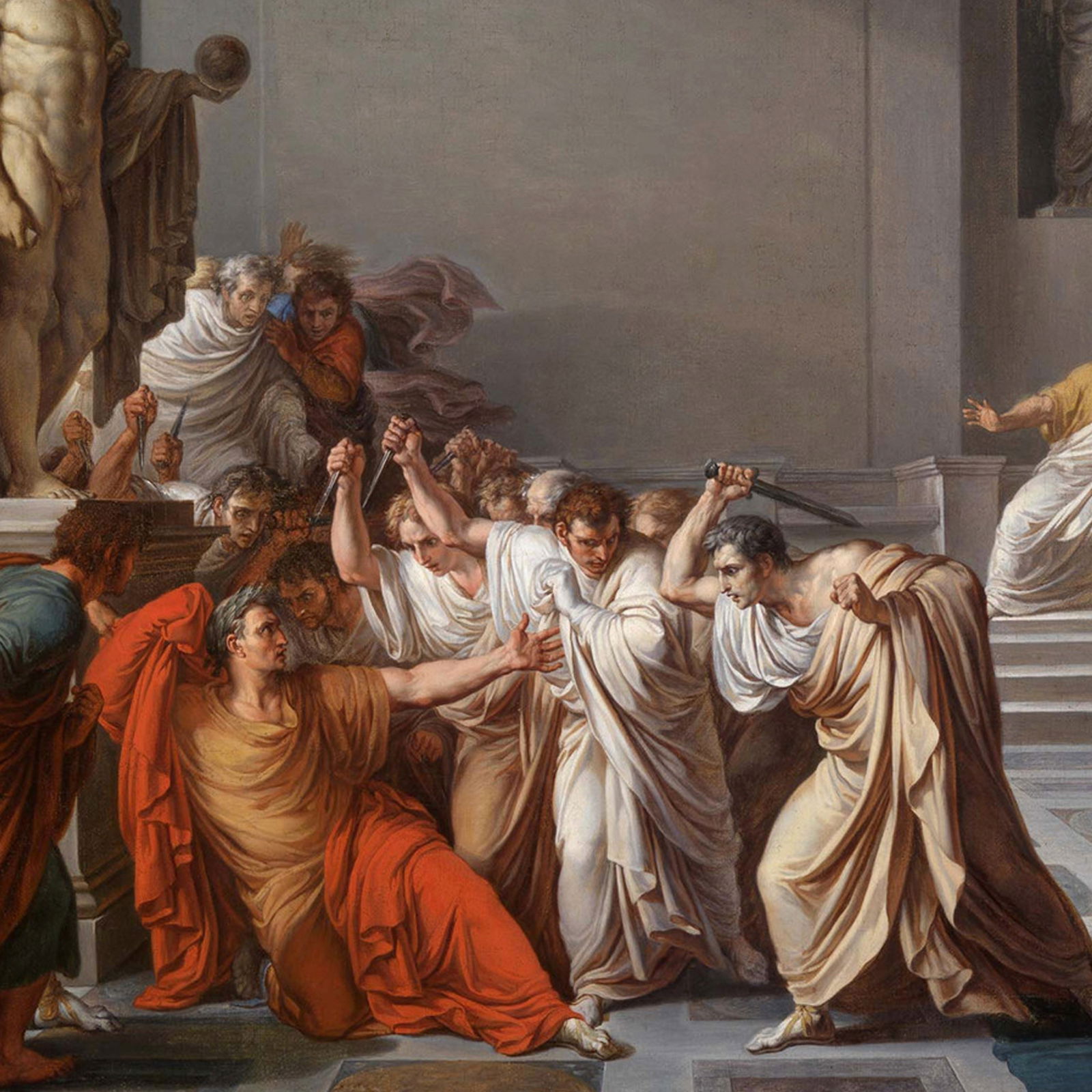
Render Unto Caesar: Aquinas On the Relationship Between Religion and Politics I Prof. Michael Krom
Prof. Michael Krom explores Thomas Aquinas’s view on the relationship between religion and politics, discussing the distinction between obligations to political authority and to God, as reflected in the biblical command to "render unto Caesar what is Caesar's and unto God what is God's."
Guest: Prof. Michael Krom
Aug. 14, 2025
Will Heaven Be Incredibly Boring? I Prof. Christopher Mooney
Prof. Christopher Mooney's lecture confronts the philosophical objection that heaven would be unbearably boring due to its infinite duration, arguing instead that Christian eternity is fulfilled in the beatific vision of God, which offers infinite and undiminished joy.
Guest: Prof. Christopher Mooney
Aug. 12, 2025
Brothers Karamazov: Manicheanism, Christian Existentialism and other Paradoxes I Prof. Thomas Pfau
Prof. Thomas Pfau offers an in-depth theological and philosophical analysis of Dostoevsky’s The Brothers Karamazov, focusing on Ivan and Alyosha’s contrasting worldviews, the “Rebellion” and “Grand Inquisitor” chapters, and the novel’s profound exploration of freedom, suffering, and divine love.
Guest: Prof. Thomas Pfau
Aug. 11, 2025
Happiness Understood Psychologically and Theologically I Prof. Christopher Kaczor
Prof. Christopher Kaczor explores the relationship between positive psychology and Catholic theology, uncovering how empirical psychological findings on happiness align with and deepen spiritual practices like gratitude, service, and forgiveness.
Guest: Prof. Christopher Kaczor

Aug. 7, 2025
Thomas Aquinas on Charity I Fr. Cajetan Cuddy, O.P.
Fr. Cajetan Cuddy provides an in-depth exploration of charity as the highest theological virtue in the thought of Saint Thomas Aquinas, laying foundational principles for understanding just war, peace, and the ordered structure of the Christian moral life.
Guest: Fr. Cajetan Cuddy, O.P.
Aug. 4, 2025
What Makes Laws Just? An Introduction to the Natural Law Tradition I Fr. Dominic Legge, O.P.
Fr. Dominic Legge delves into the philosophical and moral considerations that determine whether laws are truly just, highlighting the ongoing relevance of these questions in contemporary society.
Guest: Fr. Dominic Legge, O.P.
Aug. 1, 2025
Can We Be Happy Without God? I Prof. Matthew Shea
Prof. Matthew Shea examines the classic philosophical question “Can we be happy without God?” by analyzing historical and contemporary perspectives on happiness, ultimately contrasting the limitations of atheistic views with the theistic argument for true human fulfillment in God.
Guest: Prof. Matthew Shea
July 31, 2025
How to be a Little Less Awful: The Cultivation of Virtue I Prof. Timothy J. Pawl
Prof. Timothy J. Pawl examines the nature, divisions, and cultivation of virtue, harmonizing Christian moral wisdom with contemporary psychological research and offering eight practical steps to growing in virtue.
Guest: Prof. Timothy Pawl
July 30, 2025
From Apathy to Agape: Christian Encounters with Stoic Philosophy I Prof. Thomas Ward
Prof. Thomas Ward explores the resurgence of Stoicism in modern culture and critically contrasts it with Christian philosophy, especially through the lens of Boethius' The Consolation of Philosophy, advocating for divine providence and the Christian virtues of hope and charity in place of Stoic apathy.
Guest: Prof. Thomas Ward
July 29, 2025
The Cardinal Virtues and Living Life Well I Prof. Raymond Hain
Prof. Raymond Hain examines the four cardinal virtues—prudence, justice, fortitude, and temperance—tracing their philosophical and theological roots while exploring their essential role in living a morally excellent and flourishing human life.
Guest: Prof. Raymond Hain
July 25, 2025
Catholic Teaching on Birth Control: Beyond Common Misunderstandings I Prof. Gina Noia
Prof. Gina Noia explores the Catholic Church's nuanced teachings on birth control, responsible parenthood, and the moral distinctions between natural family planning, direct contraception, and sterilization, rooted in theological and philosophical reasoning.
Guest: Prof. Gina Noia
July 24, 2025
The Ethics of Abortion: Women's Rights, Human Life, and the Question of Justice I Prof. Christopher Kaczor
Prof. Christopher Kaczor critically examines the ethics of abortion by exploring whether the unborn are alive and human, whether killing is justified, and whether bodily autonomy overrides other moral considerations.
Guest: Prof. Christopher Kaczor