Episodes
Nov. 18, 2025
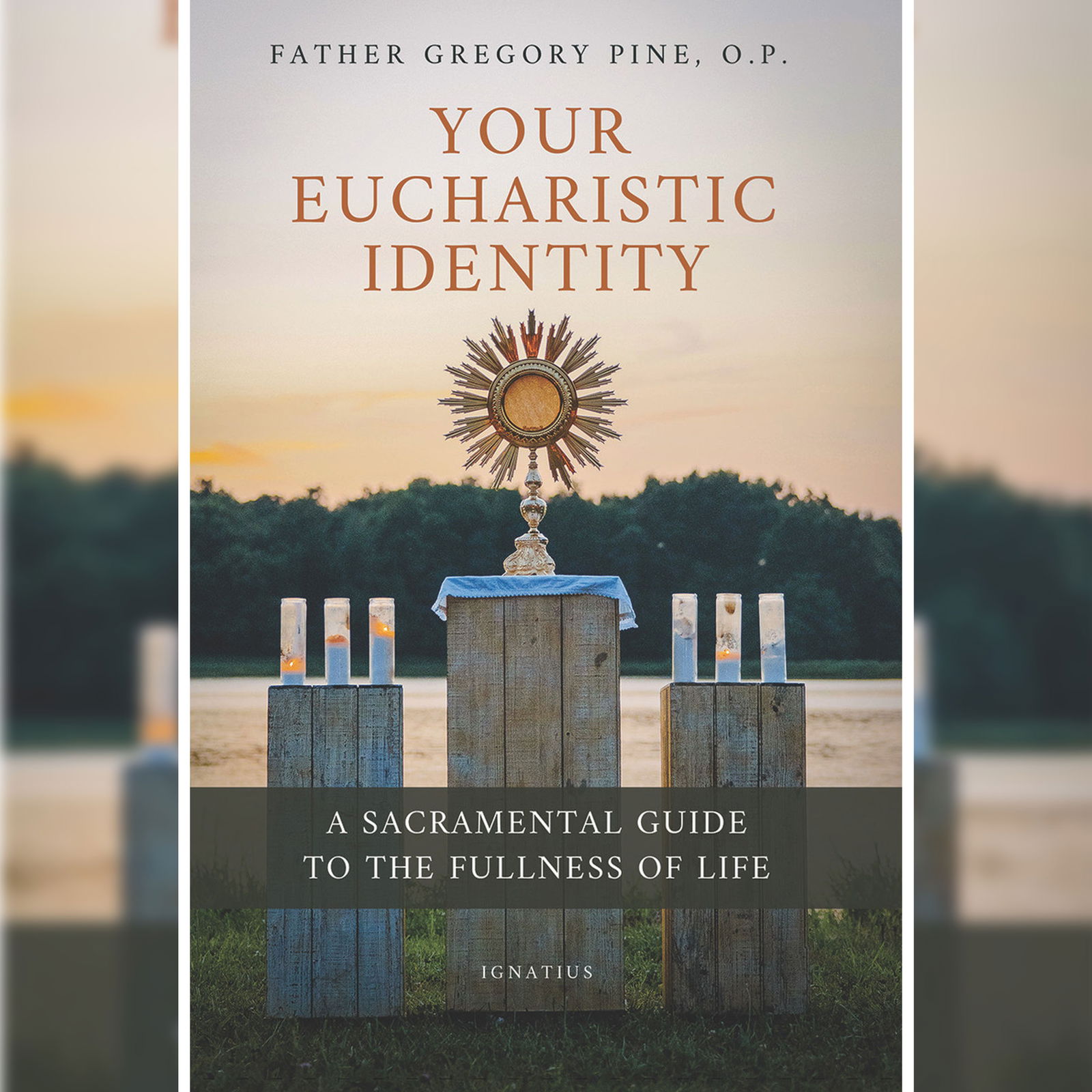
Your Eucharistic Identity – Fr. Gregory Pine, O.P.
Fr. Gregory Pine explores the Eucharist as the foundation of Catholic identity, showing how sacramental worship unites the past, present, and future of salvation history and invites believers into personal transformation, unity, and divine love.
Guest: Fr. Gregory Pine, O.P.
Nov. 17, 2025
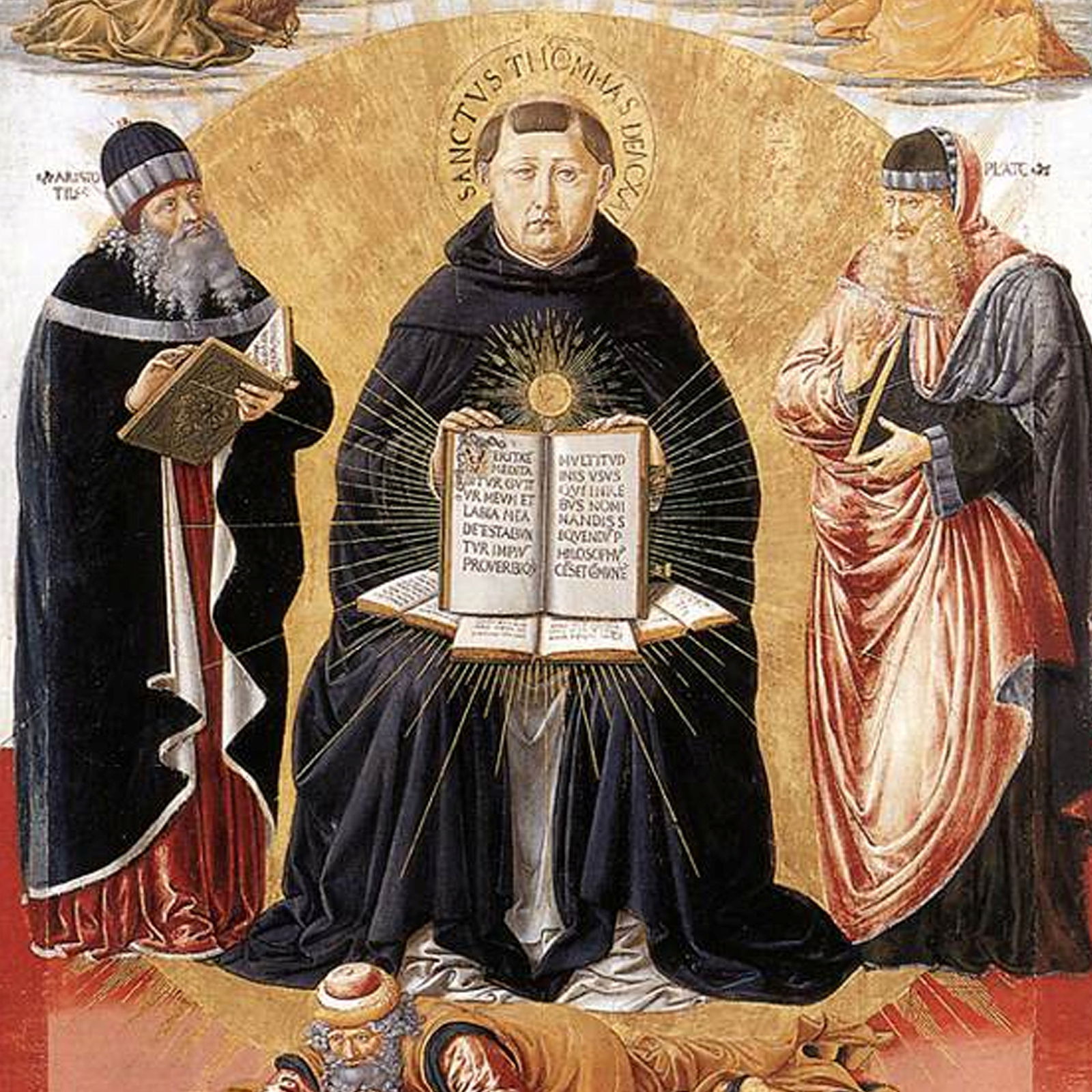
Aquinas and Newman on the Pursuit of Wisdom and Happiness – Prof. Jennifer Frey
Prof. Jennifer Frey’s lecture compares Aquinas and Newman on the pursuit of wisdom and happiness, showing how a true liberal education cultivates philosophical habits and interior freedom by uniting the quest for knowledge, meaning, and the common good.
Guest: Prof. Jennifer Frey
Nov. 14, 2025
Minimum Wage vs. Just Wage: A Thomistic Clarification of Catholic Social Teaching – Dr. Michael Krom
Dr. Michael Krom uses Catholic social teaching and Thomistic ethics to explain the difference between minimum wage and just wage, emphasizing that justice, moral duty, and human need—not just legal or economic policy—should guide compensation for workers.
Guest: Prof. Michael Krom
Nov. 13, 2025
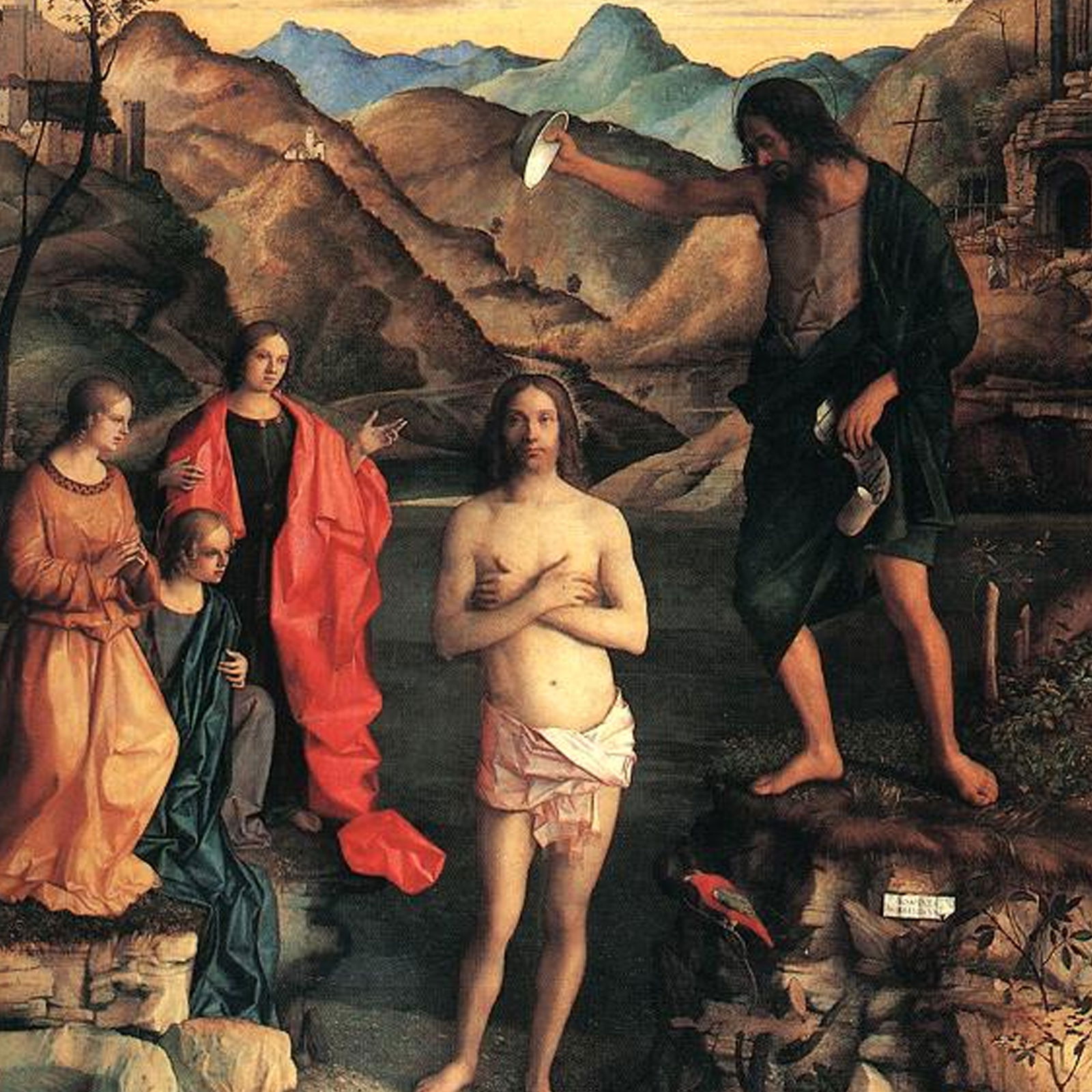
Would St. Thomas Baptize and Extraterrestrial? – Dr. Edmund Lazzari
Dr. Edmund Lazzari uses Thomistic philosophy and sacramental theology to analyze whether extraterrestrial intelligences could be baptized, exploring questions of nature, the soul, salvation, and God’s freedom to grant grace beyond the human species.
Guest: Dr. Edmund Lazzari
Nov. 12, 2025
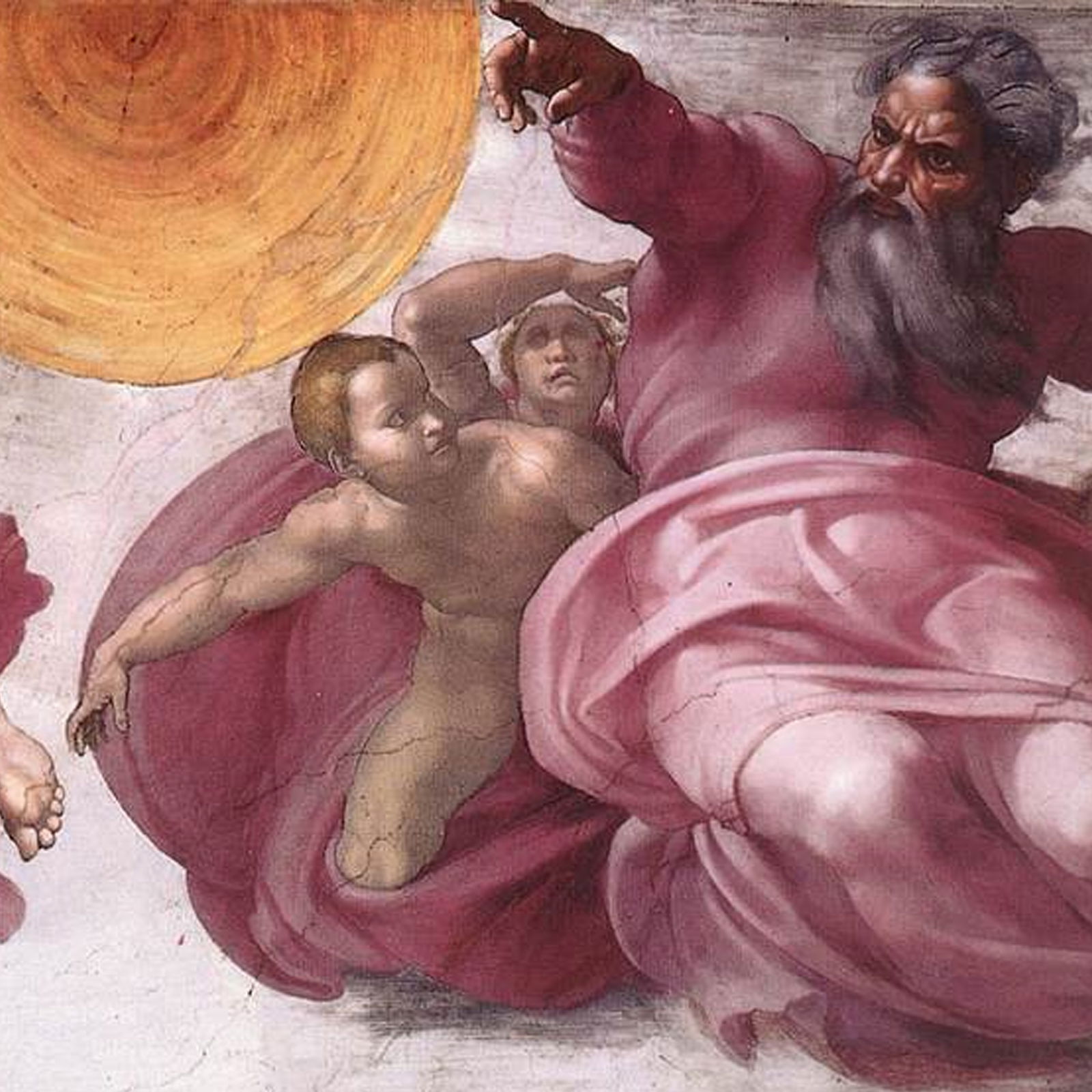
George Lemaitre: The Catholic Priest Who Proposed the Big Bang Theory – Prof. Jonathan Lunine
Prof. Jonathan Lunine tells the story of Georges Lemaître—the Catholic priest and physicist who proposed the Big Bang theory—showing how his pioneering science, deep faith, and personal humility revolutionized modern cosmology and bridged the perceived gap between religion and science.
Guest: Prof. Jonathan Lunine
Nov. 11, 2025
Does AI Have a Soul? – Dr. Edmund Lazzari
Dr. Edmund Lazzari critically assesses claims that artificial intelligence systems might possess souls, arguing from Thomistic philosophy and computational neuroscience that AI lacks genuine abstraction, intentionality, and the ontological requirements for immaterial intelligence.
Guest: Dr. Edmund Lazzari
Nov. 10, 2025
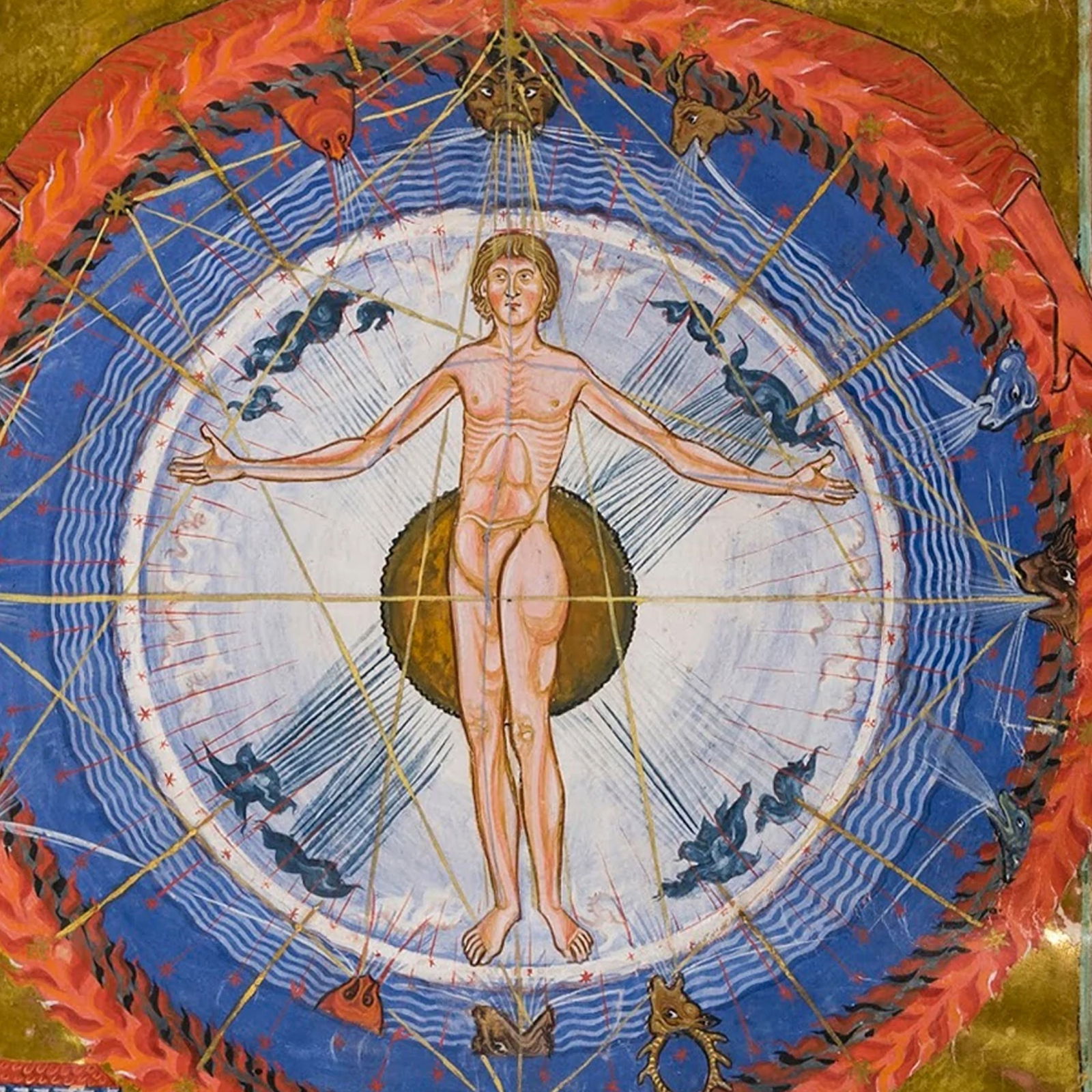
Neuroscience and the Soul – Dr. William Hurlbut
Dr. William Hurlbut explores the profound questions raised by neuroscience, biotechnology, and artificial intelligence, emphasizing that the human soul—understood as the organizing principle of embodied, personal, and purposeful life—remains irreducibly distinct from animal, mechanical, and computational processes.
Guest: Dr. William Hurlbut
Nov. 7, 2025
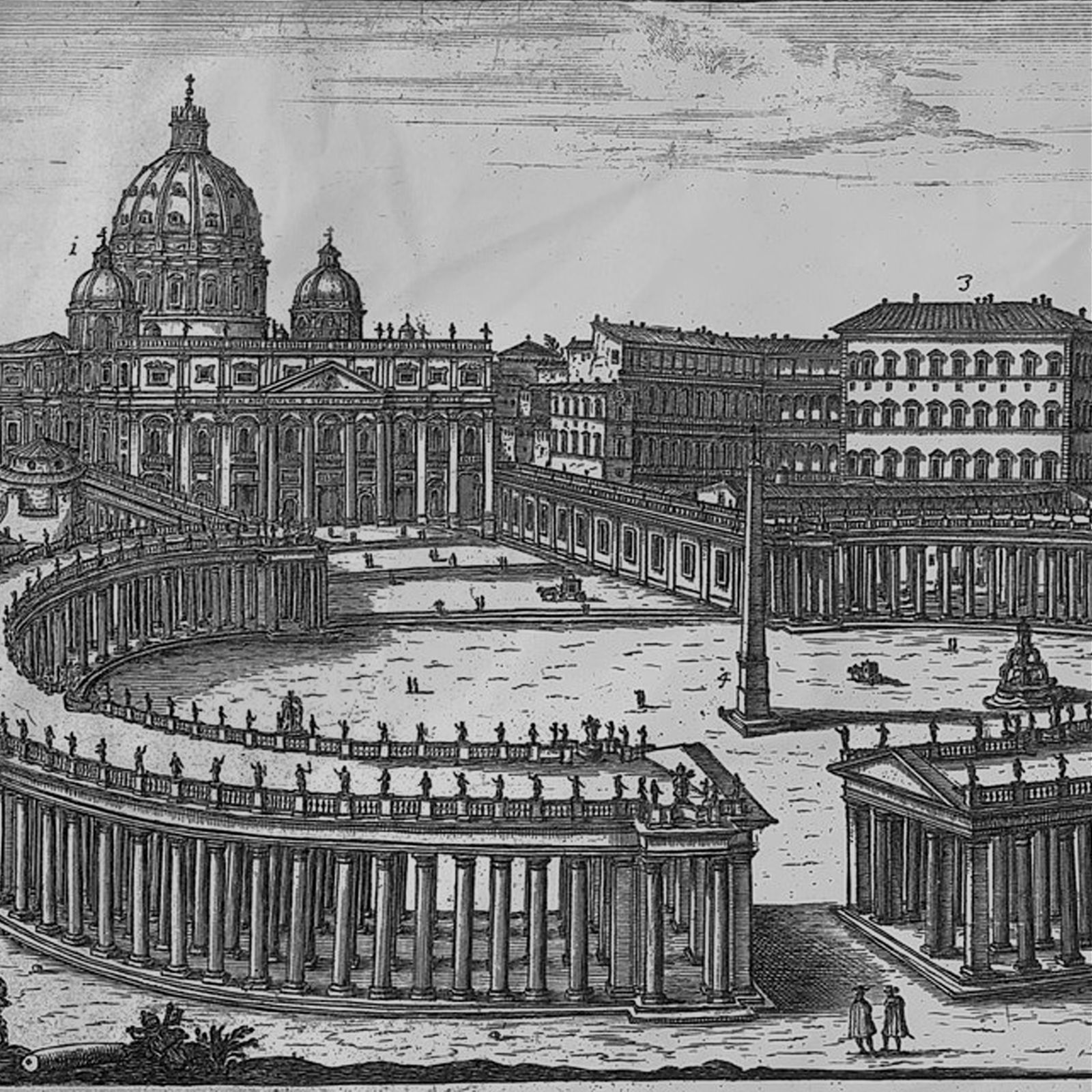
Astrology: Why Did Medieval Philosophers Study It? – Fr. Ambrose Little, O.P.
Fr. Ambrose Little explains why medieval philosophers studied astrology as part of natural science, showing how its connection to astronomy, cosmology, and causal mechanisms shaped intellectual inquiry, yet warns that modern astrology lacks scientific legitimacy and poses spiritual risks.
Guest: Fr. Ambrose Little, O.P.
Nov. 6, 2025
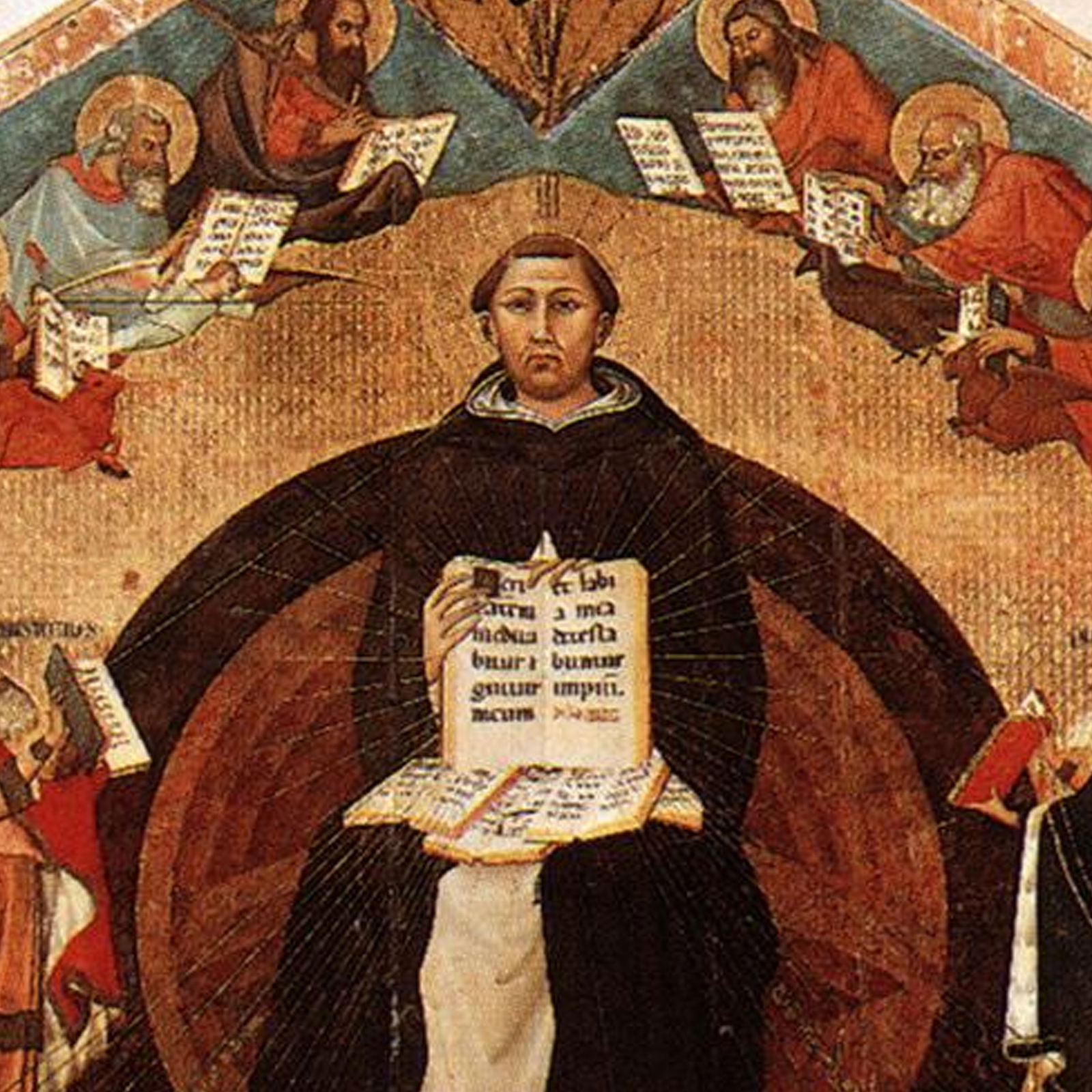
Theology True Science of God or Poetical Musing – Prof. Christopher Malloy
Prof. Christopher Malloy argues that theology, properly understood as a classical science, involves intellectual habits of certain knowledge through causes grounded in faith, integrating poetry and philosophy to guide believers toward truth and beatific union with God.
Guest: Prof. Christopher Malloy
Nov. 5, 2025
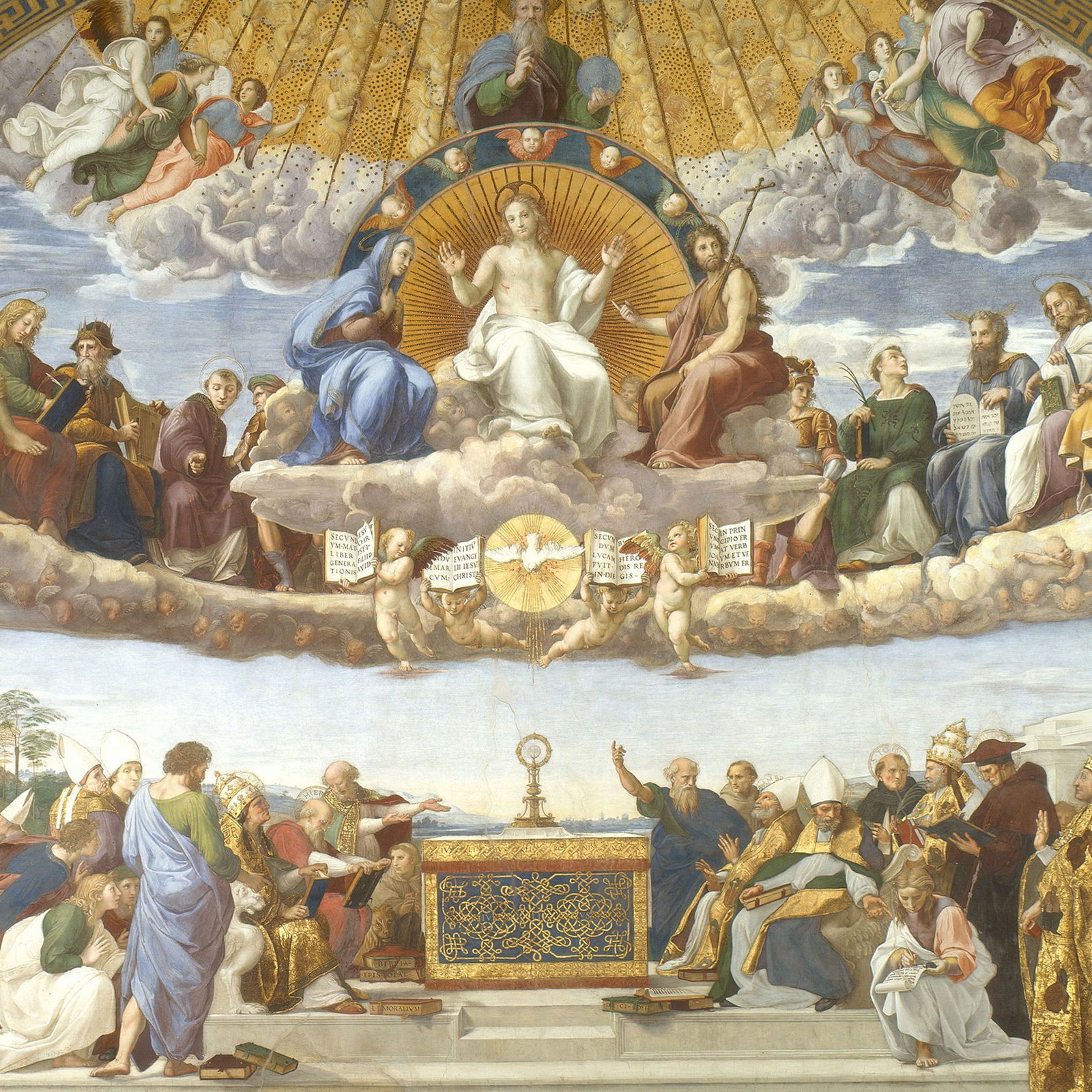
How to Know God? Philosophical Wisdom and Divine Revelation – Prof. Michael Dauphinais
Prof. Michael Dauphinais explores how Thomas Aquinas integrates philosophical wisdom and divine revelation, showing that genuine knowledge of God arises from both reason and the transformative experience of Christ’s incarnation and the Holy Spirit.
Guest: Prof. Michael Dauphinais
Nov. 4, 2025
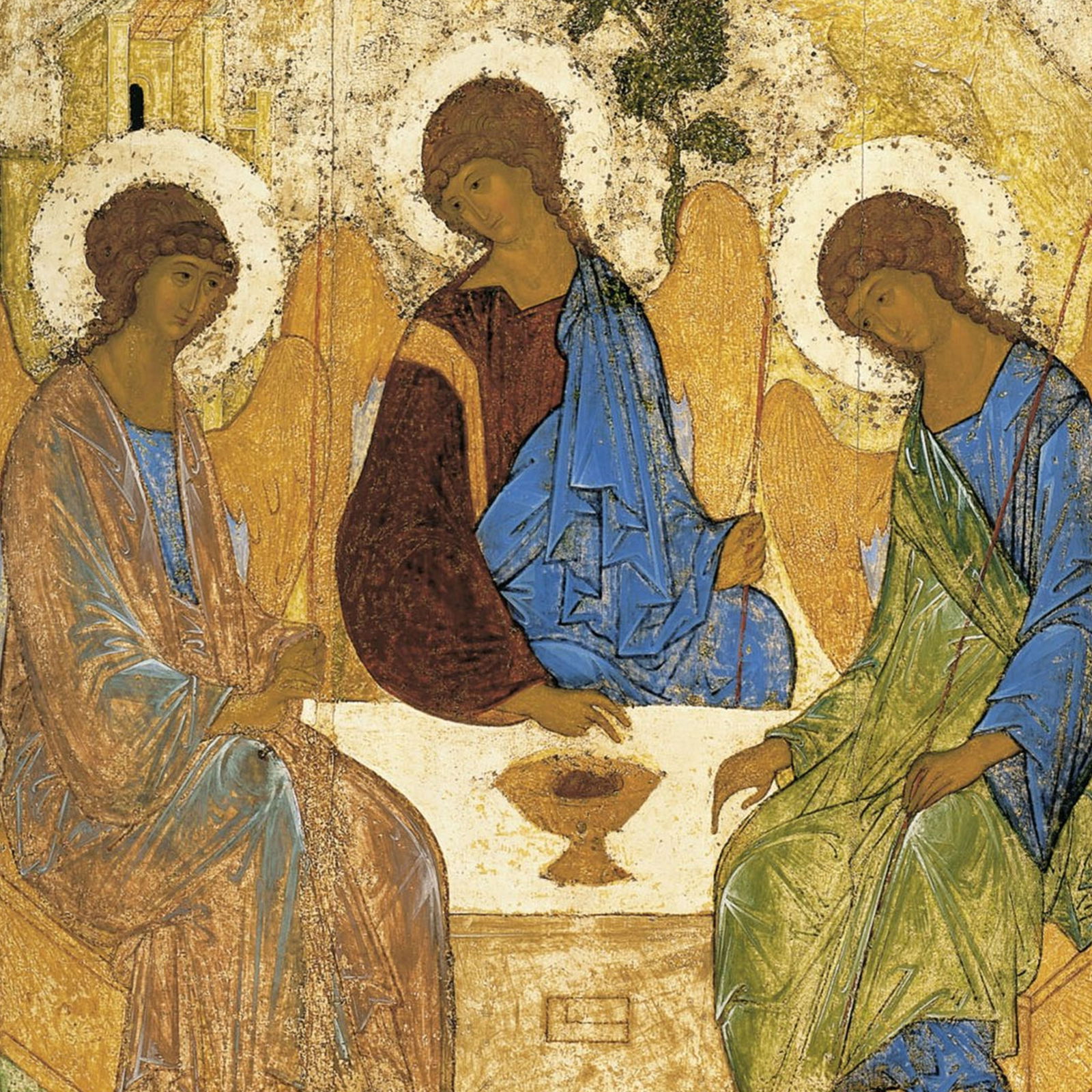
Nicene Trinity, Chalcedonian Christology: Understanding Christ through Councils and Conflicts – Fr. Gregory Pine, O.P.
Fr. Gregory Pine explains Nicene Trinitarian theology and Chalcedonian Christology through key councils and controversies, showing how Christ’s incarnation and union with humanity unveil the path to salvation and divine participation.
Guest: Fr. Gregory Pine, O.P.
Nov. 3, 2025
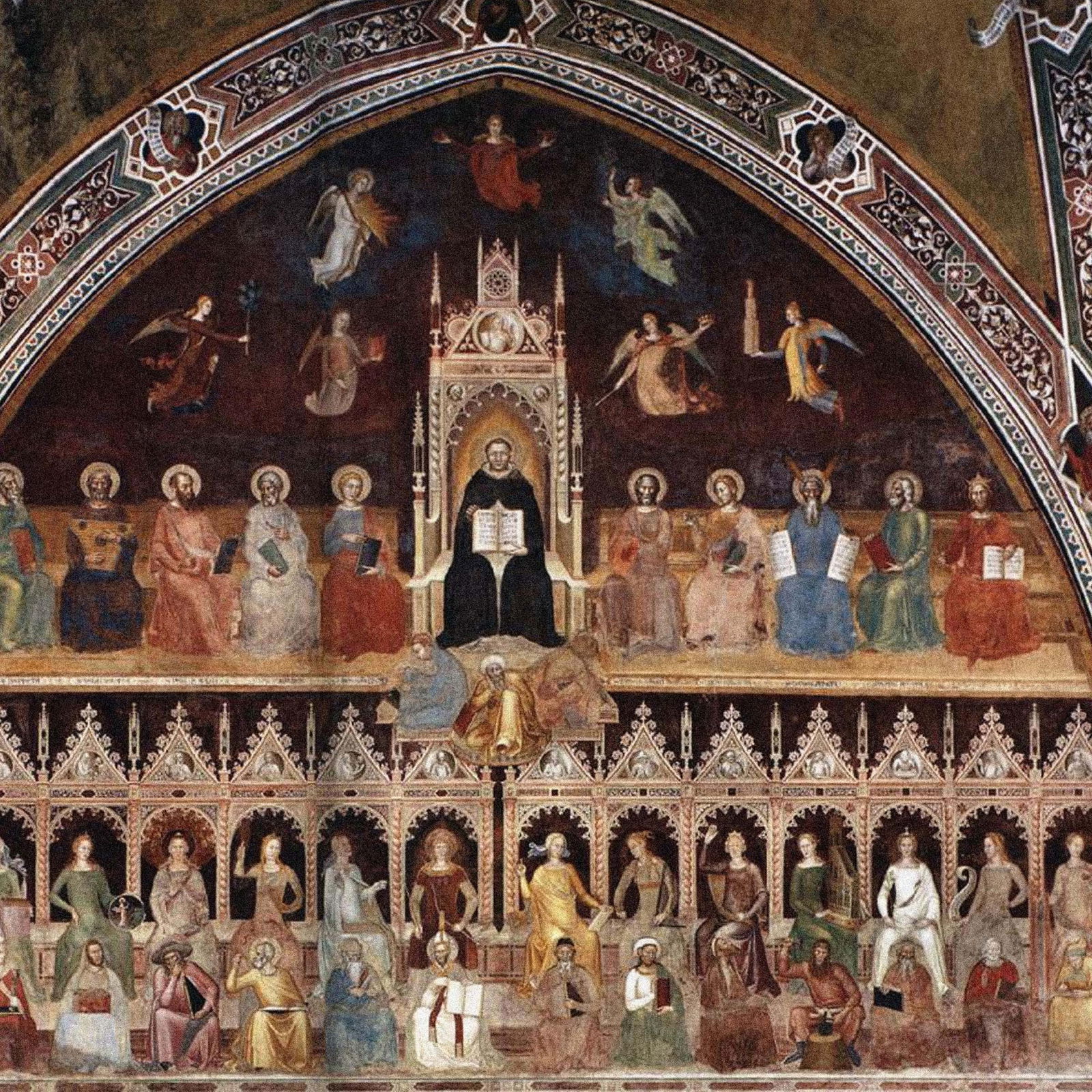
Thomas Aquinas on Intellectual Memory – Fr. Philip-Neri Reese, O.P.
Fr. Philip-Neri Reese examines Thomas Aquinas’s theory of intellectual memory, tracing how Aquinas navigates conflicting authorities and ultimately defends the preservation of intelligible species in the possible intellect.
Guest: Fr. Philip-Neri Reese, O.P.
Oct. 31, 2025
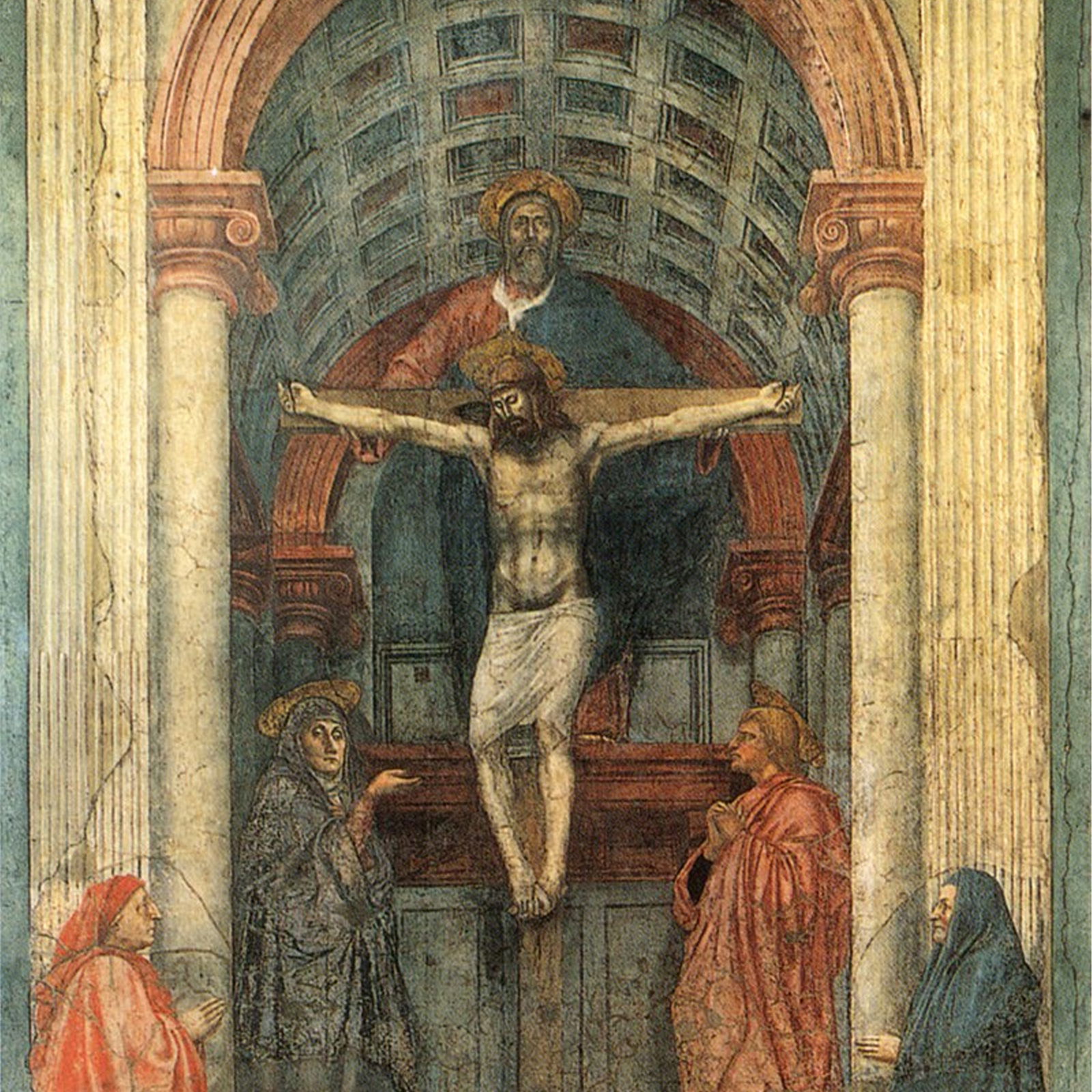
Augustine's Account of Trinitarian Image and Thomas Aquinas – Fr. Reginald Lynch, O.P.
Fr. Reginald Lynch’s lecture explores Augustine’s account of the Trinitarian image and its reception by Aquinas, illuminating how the development of grace, human anthropology, and sacramental life shape the Christian journey toward likeness with God. This lecture was given on June 17th, 2025, at Schloss St. Emmeram. Will you hand on the Faith to those who need it the most? Give by October 31st to film the next season of Aquinas 101! https://aquinas101.thomisticinstitute.org/oct25podc...
Guest: Fr. Reginald Lynch, O.P.
Oct. 29, 2025
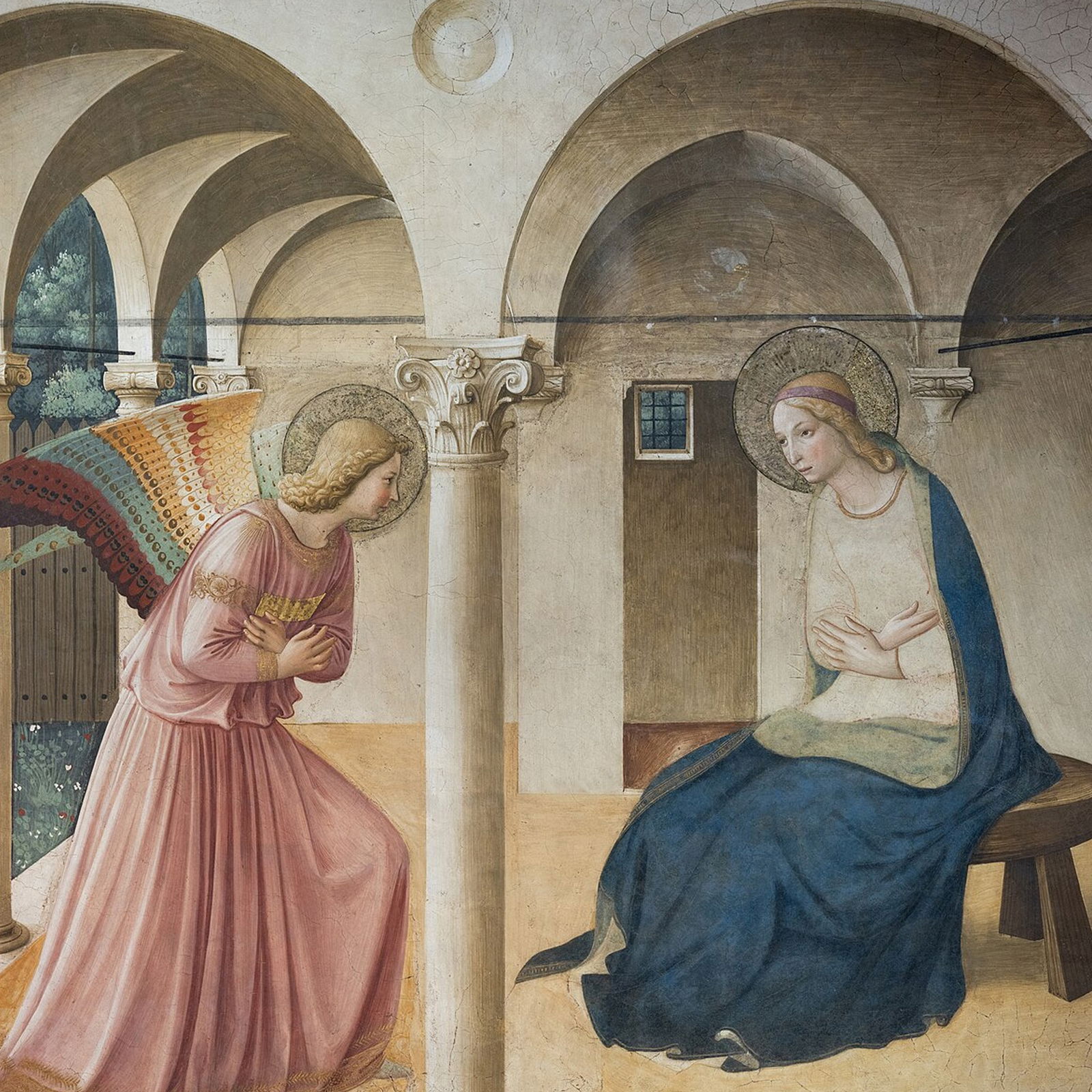
In the Beginning Was the Word: Augustine, Aristotle, and Aquinas – Fr. Dominic Legge, O.P.
Fr. Dominic Legge’s lecture traces the theological development of the concept of the Word through Augustine, Aristotle, and Aquinas, illuminating the evolution of Trinitarian analogy and the nature of human understanding in medieval philosophy.
Guest: Fr. Dominic Legge, O.P.
Oct. 27, 2025
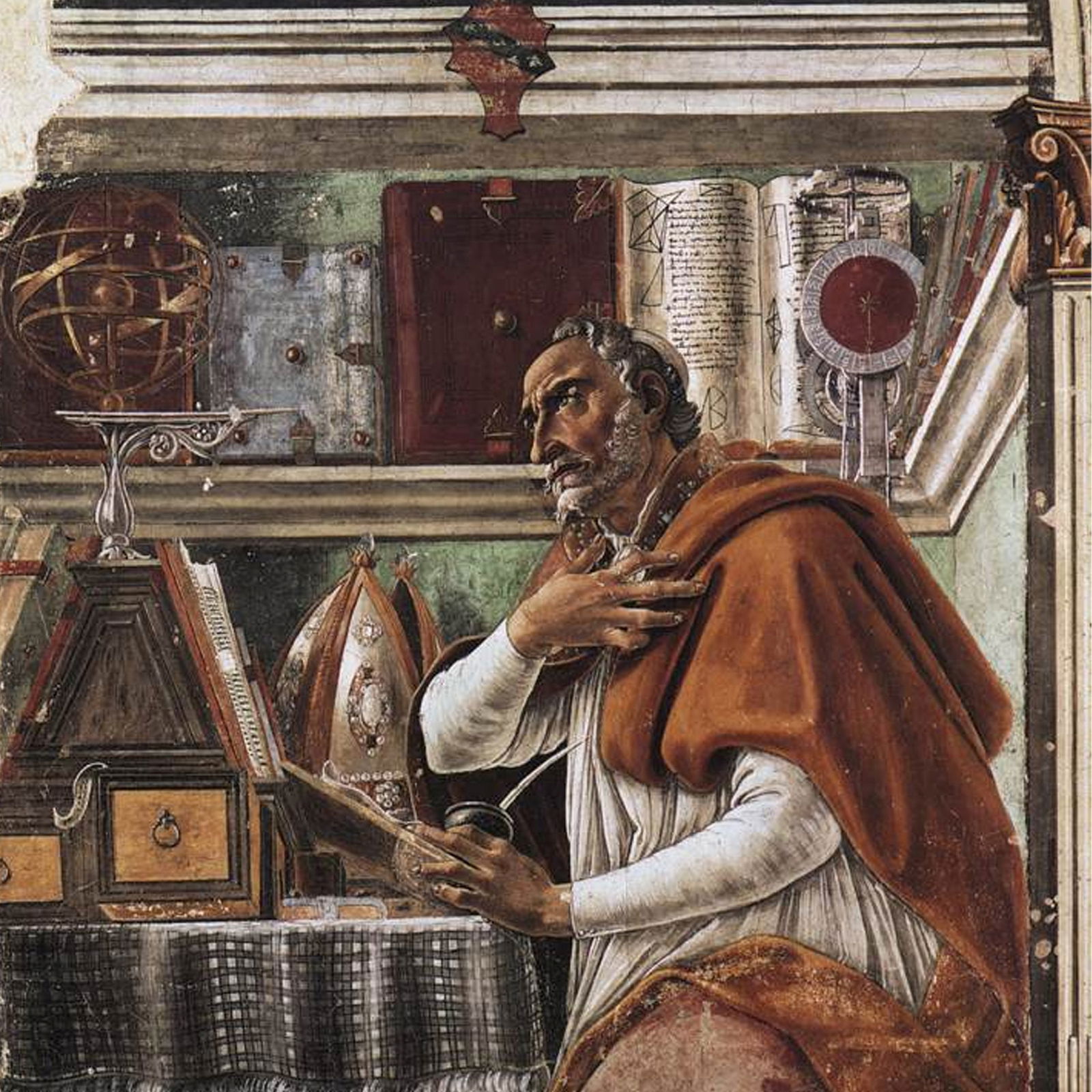
Memory, Intellect, and Will: The 13th Century Reception of Augustine – Dr. Albert von Thurn und Taxis
Dr. Albert von Thurn und Taxis explores the 13th-century reception of Augustine’s account of memory, intellect, and will, analyzing how medieval philosophers navigated the tension between Augustinian and Aristotelian models of the rational soul.
Oct. 24, 2025
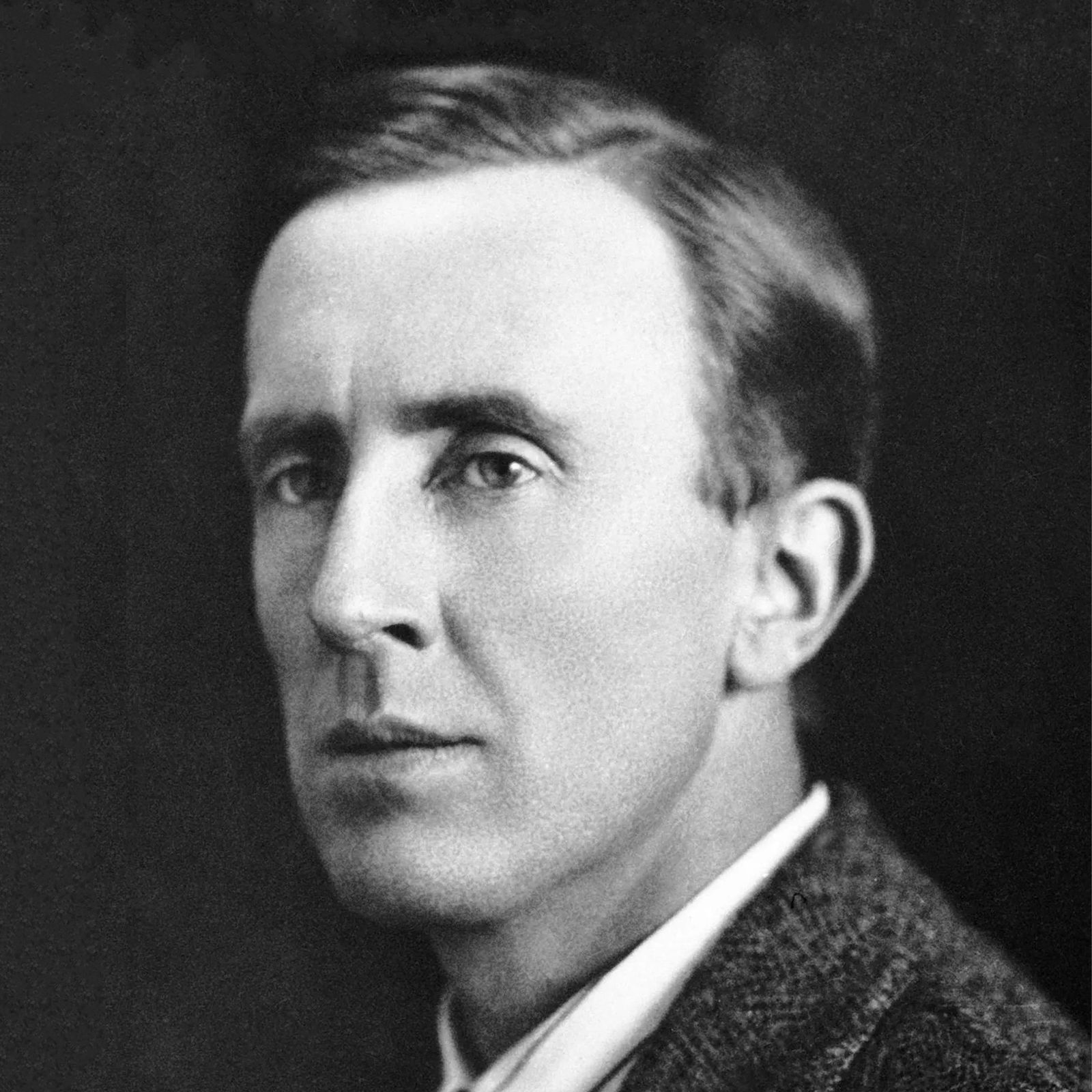
Catholic Culture with Tolkien – Prof. Patrick Callahan
Prof. Patrick Callahan explores the living tradition of Catholic culture, using Tolkien’s life and imagination to demonstrate how the Mass, community, and cultivation of virtue form a unified Christian identity resilient amidst modern challenges.
Guest: Prof. Patrick Callahan
Oct. 23, 2025
Flannery O'Connor and the Perils of Governing By Tenderness – Dr. Jerome Foss
Dr. Jerome Foss uses Flannery O’Connor’s stories to warn against the pitfalls of governing by abstract tenderness, advocating for a vision rooted in faith, realism, and the transformative power of suffering.
Guest: Dr. Jerome Foss
Oct. 22, 2025
Newman and Tolkien: The Humility of (Hi)story – Prof. Giuseppe Pezzini
Prof. Giuseppe Pezzini explores the biographical and spiritual connections between Newman and Tolkien, revealing how their shared organic vision of historical development and renewal challenges modern tensions between nostalgia, progress, and Christian identity.
Guest: Prof. Giuseppe Pezzini
Oct. 21, 2025
Psalms, Hymns, and Spiritual Canticles: Gregorian Chant and the Joy of the Gospel – Fr. Innocent Smith, O.P.
Fr. Innocent Smith’s lecture illuminates how Gregorian Chant, rooted in Psalms, hymns, and spiritual canticles, enriches Catholic liturgy by shaping Christian spirituality and expressing the deep joy of the Gospel through sung prayer.
Guest: Fr. Innocent Smith, O.P.
Oct. 20, 2025
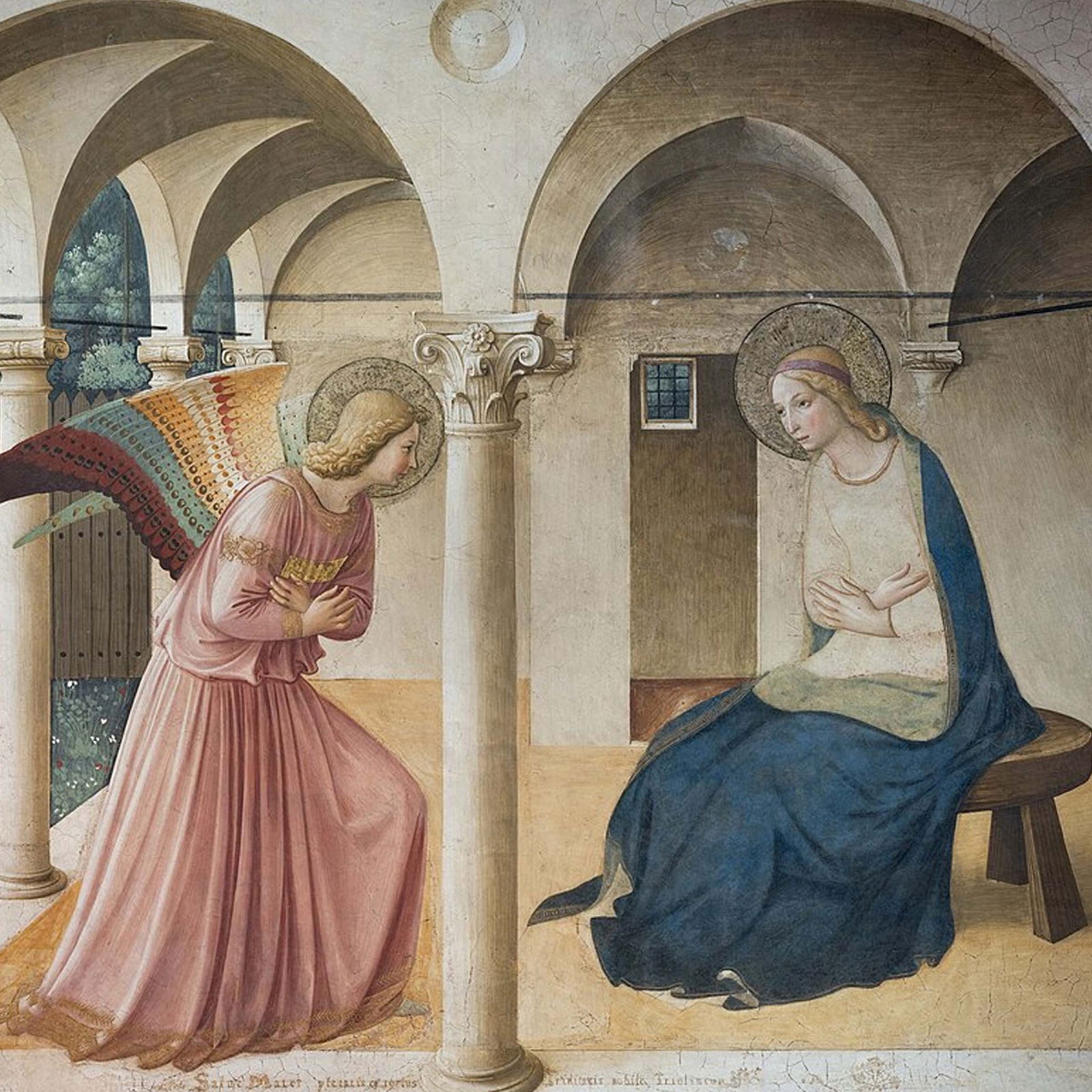
The Incarnation and the Machine: The Visions of Fra Angelico and Le Corbusier – Fr. Irenaeus Dunlevy O.P.
Fr. Irenaeus Dunlevy's lecture contrasts the incarnational vision of Fra Angelico with Le Corbusier’s machine aesthetic, revealing how Christian art and architecture communicate spiritual beauty, theological wisdom, and the presence of Christ through the transformation of physical space.
Guest: Fr. Irenaeus Dunlevy, O.P.
Oct. 17, 2025
Beyond but Not Against Nature: How Grace Perfects and Transforms Nature – Fr. Cajetan Cuddy, O.P.
Fr. Cajetan Cuddy explores the relationship between grace and nature, demonstrating how grace perfects, transforms, and preserves the continuity of human nature without destroying its fundamental reality.
Guest: Fr. Cajetan Cuddy, O.P.
Oct. 16, 2025
How the Highest of the Inanimate Touches the Lowest of the Living: A Contemporary Thomistic Approach – Fr. Thomas Davenport, O.P.
Fr. Thomas Davenport examines the philosophical and scientific boundaries between the inanimate and the living, highlighting how Thomistic principles, spontaneous generation, and structured homogeneity offer new ways to understand life’s emergence and complexity.
Guest: Fr. Thomas Davenport, O.P.
Oct. 15, 2025
The Measure of All Things? Rethinking Constants and Replicability in the Life Sciences – Prof. Santiago Schnell
Prof. Santiago Schnell’s lecture examines the challenges of measurement, scientific constants, and replicability in the life sciences, highlighting how philosophical and mathematical models are crucial for advancing biological research.
Guest: Prof. Santiago Schnell
Oct. 14, 2025
The Plasma Membrane: Boundary and Bridge at the Edge of Life – Prof. Keith Kozminski
Prof. Keith Kozminski explores the plasma membrane’s evolving scientific understanding, highlighting its role as both boundary and bridge in cellular life through detailed analysis of structure, function, and paradigm shifts in biology.
Guest: Prof. Keith Kozminski