Episodes
June 10, 2026
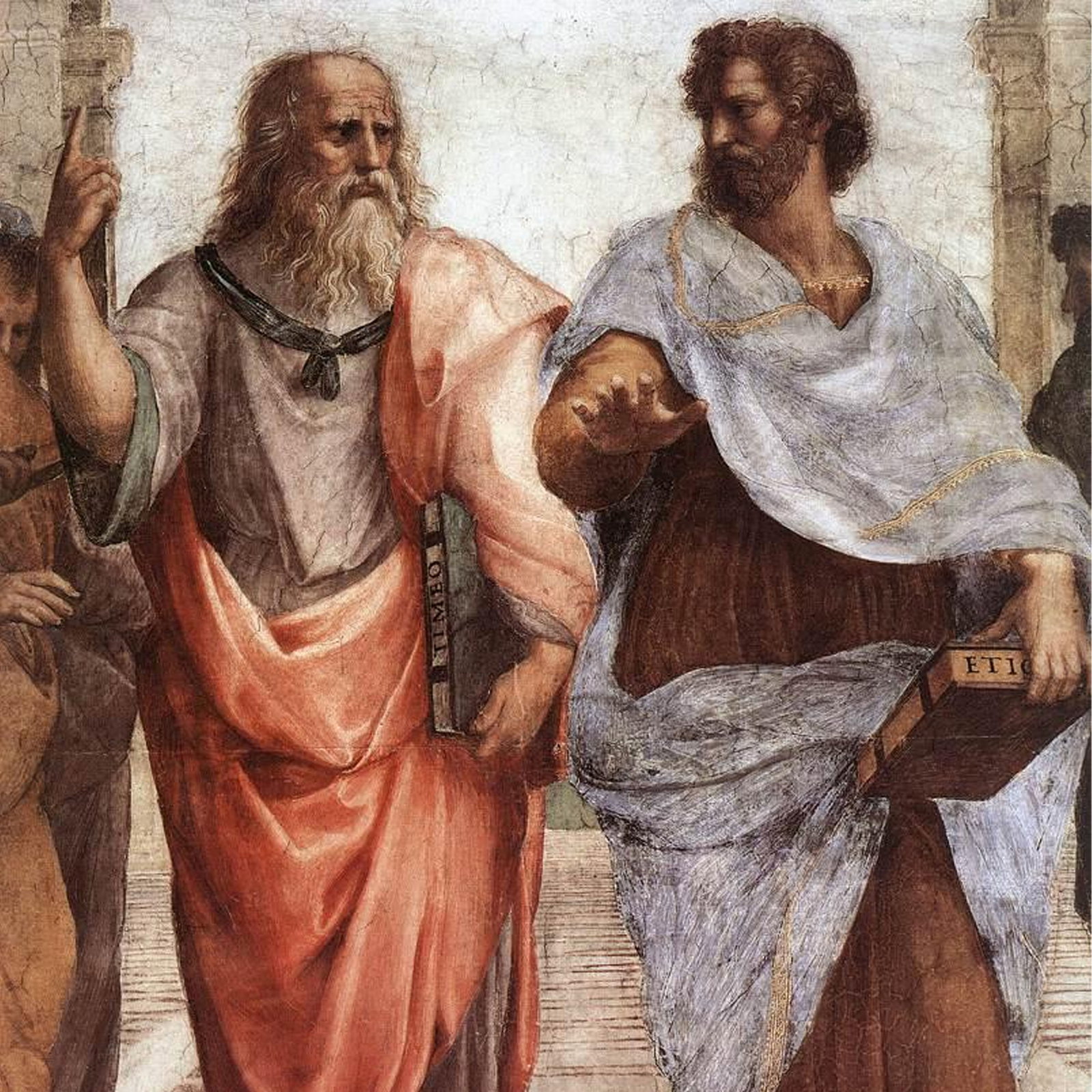
Mercy and Justice in Political Life: Augustine, Seneca, and Nussbaum – Prof. Sarah Byers
This lecture was given on January 23rd, 2026, at University of Toronto.To make a gift this June, visit https://truth.thomisticinstitute.org/pod.About the Speaker:Sarah Byers is Associate Professor of Philosophy at Boston College. Her interests incl...
June 9, 2026
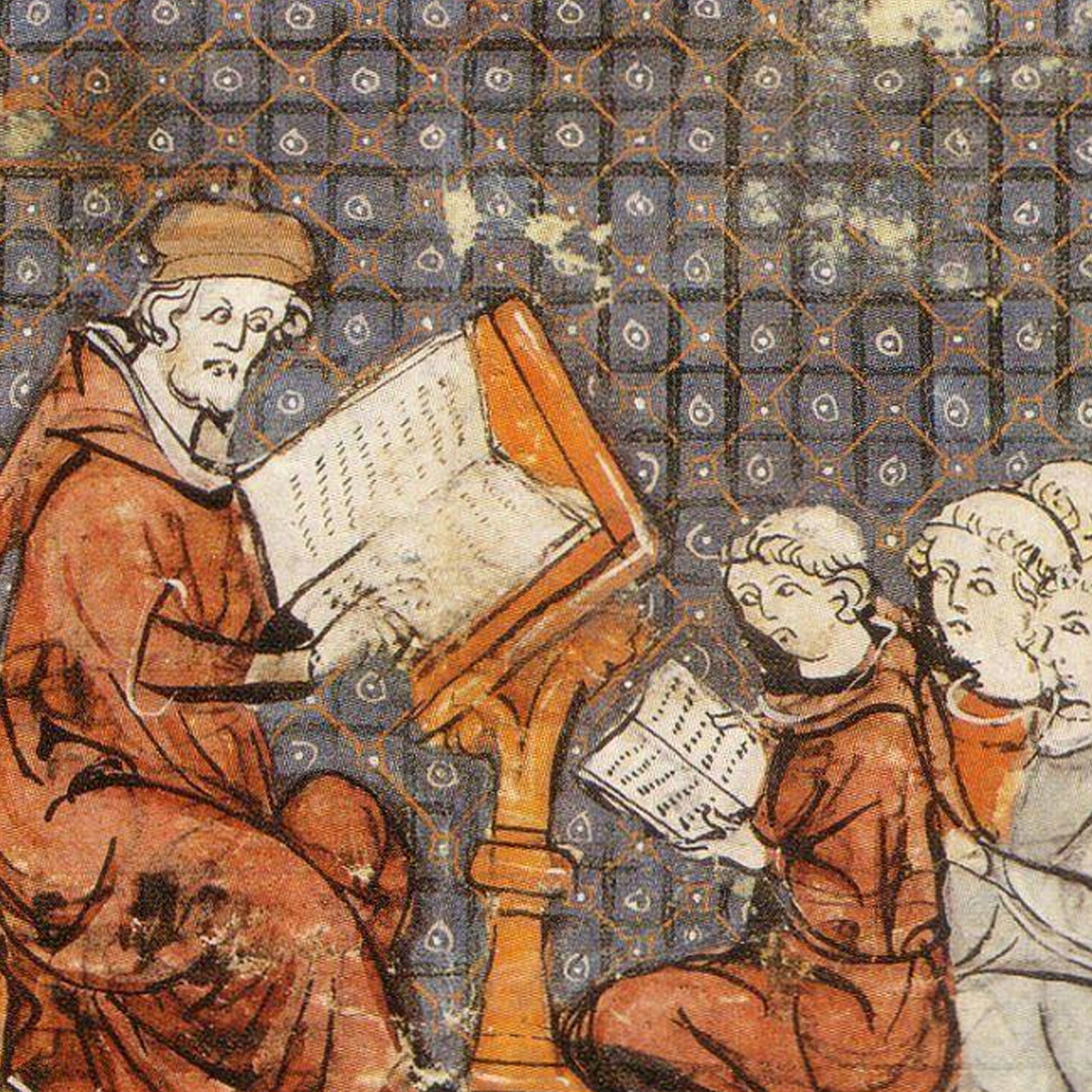
The University and the Search for Wisdom in the Middle Ages – Dr. Brian FitzGerald
Dr. Brian FitzGerald explores how the first universities emerged from cathedral schools and monastic learning, and why they were built not just to transmit information, but to cultivate wisdom, practical judgment, and a love of learning. This lecture was given on January 15th, 2026, at Dartmouth College. To make a gift this June, visit https://truth.thomisticinstitute.org/pod. About the Speakers: Brian FitzGerald is Lecturer on Medieval Studies and the Study of Religion a...
June 8, 2026
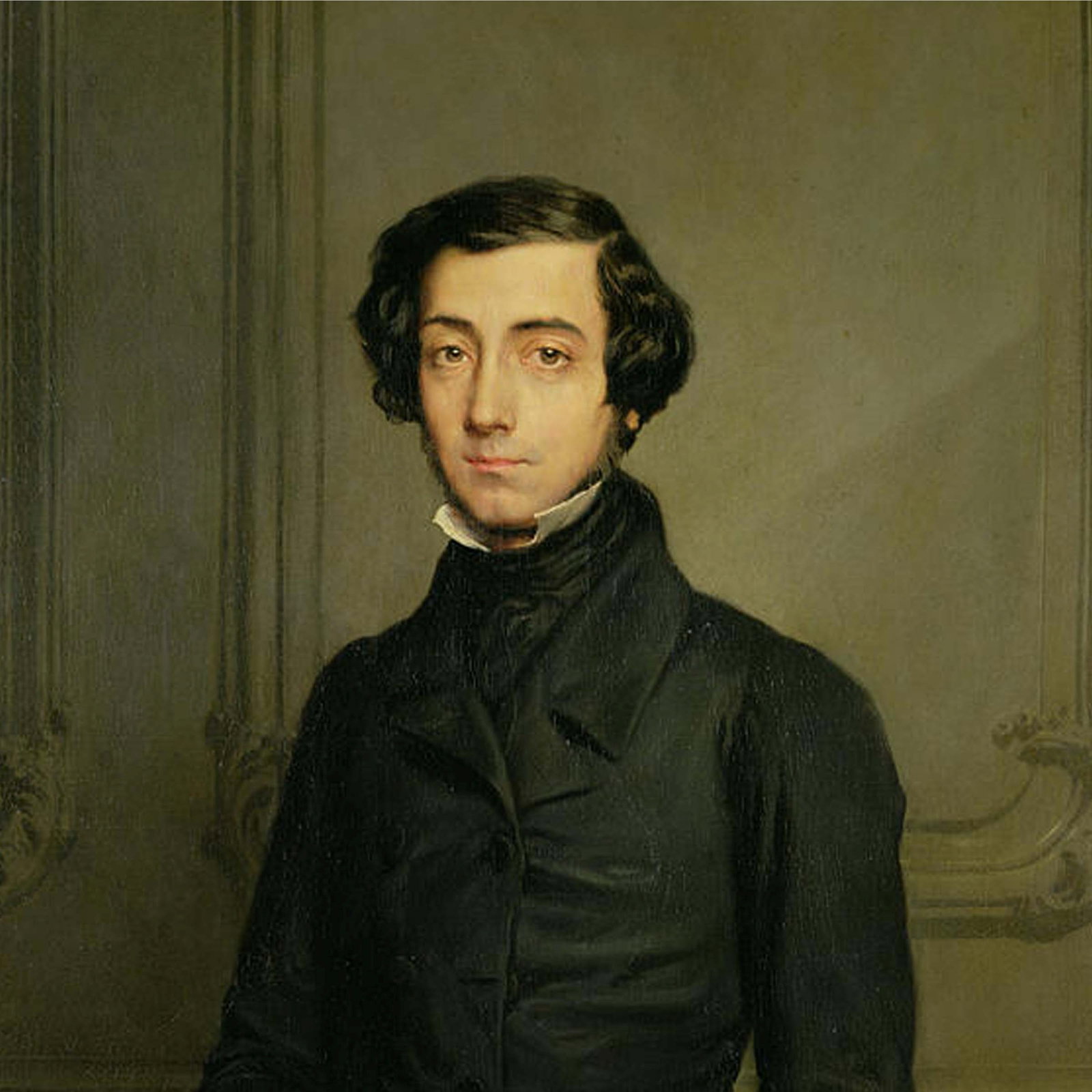
The Good Citizen: Lessons from Tocqueville on Democratic Citizenship in the 21st Century – Prof. Raymond Hain
Prof. Raymond Hain argues that Tocqueville’s insights show democratic citizenship depends on stable attachments, shared social life across class lines, and a willingness to let citizens practice freedom through responsibility. This lecture was given on December 4th, 2025, at University of Tulsa. To make a gift this June, visit https://truth.thomisticinstitute.org/pod. About the Speakers: Raymond Hain is Associate Professor of Philosophy and Associate Director of the Humanities Program at Pro...
June 5, 2026
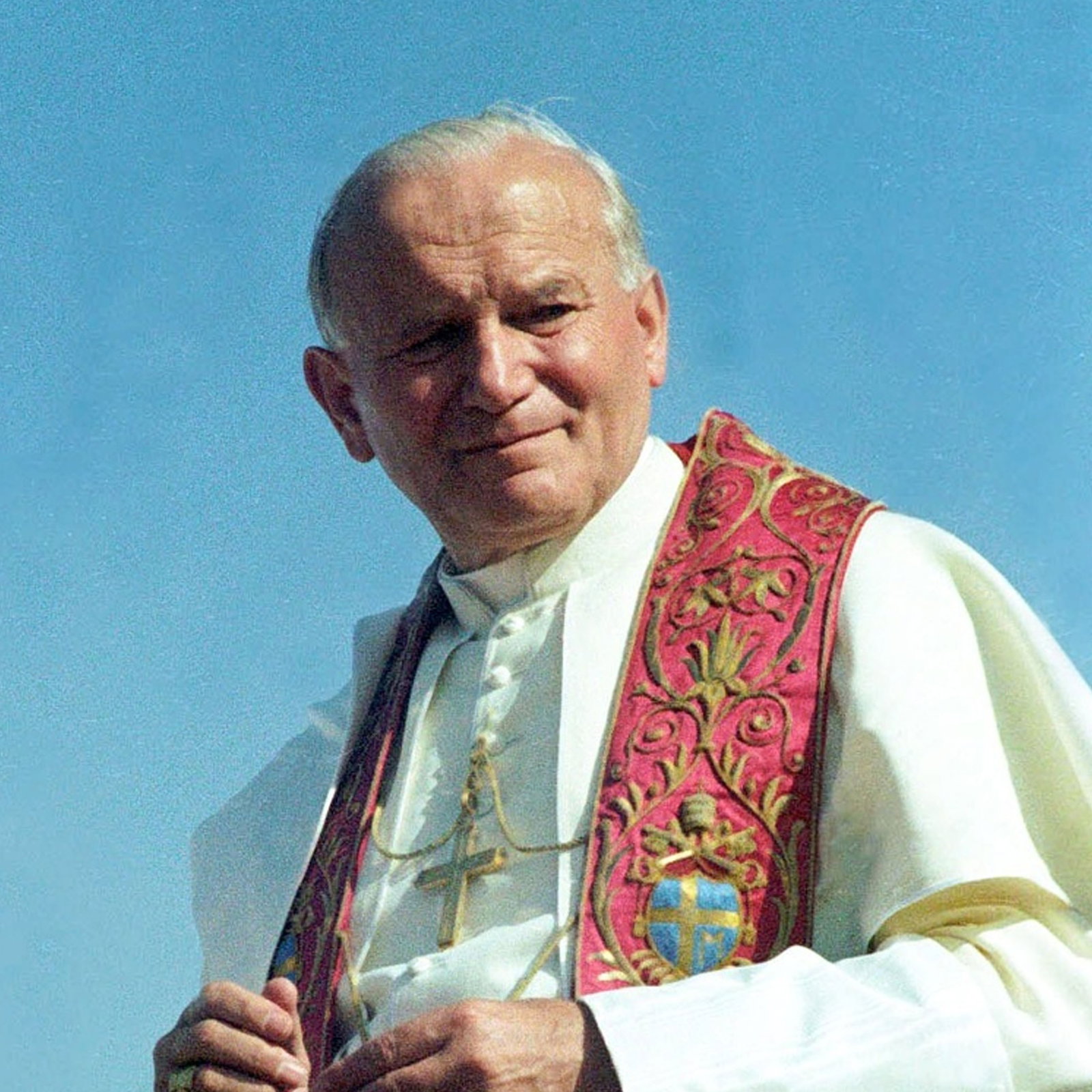
How John Paul II Used the Saints Against the Communists in Poland – Prof. James Felak
Prof. James Felak shows how John Paul II used the saints in his pilgrimages to communist Poland to challenge atheistic rule, strengthen Catholic identity, and encourage resistance and hope. This lecture was given on October 31st, 2025, at St. Albert's Priory. To make a gift this June, visit https://truth.thomisticinstitute.org/pod. About the Speakers: James Felak is a Professor of History and current holder of the Newman Center Term Professorship in Catholic Christianity at the University of...
June 4, 2026
Musical Dependence: What's Behind It and How We Can Move Beyond It – Sr. Anna Wray, O.P.
Sr. Anna Wray argues that many people are caught in a “musical dependence” that uses music to make ordinary life merely tolerable, a mere toleration which can transformed into true enjoyment by means of asceticism and an education in genuine enjoyment. This lecture was given on November 12th, 2025, at Catholic University of America. To make a gift this June, visit https://truth.thomisticinstitute.org/pod. About the Speaker: Sister Anna Wray is a native of Connecticut and a member of the Domi...
June 3, 2026
Silence, Contemplation, and Non-Being – Fr. Ephrem Reese O.P.
Fr. Ephrem Reese argues that silence is not mere absence but a fertile, hidden potency through which contemplation, devotion, and the word of God can come to life. This lecture was given on November 8th, 2025, at Dominican House of Studies. To make a gift this June, visit https://truth.thomisticinstitute.org/pod. About the Speakers: Fr. Ephrem Reese was born in Harrisburg, PA, and has family in Philadelphia, New Jersey and California. He received a BA from St John’s College in Annapolis, MD ...
June 2, 2026
Boredom: The Threshold of Great Deeds – Fr. Ephrem Reese O.P.
Fr. Ephrem Reese argues that boredom can be read both as a modern opening onto time and wonder and, more importantly, as a spiritual problem that must be disciplined by the virtues. This lecture was given on November 7th, 2025, at Dominican House of Studies. To make a gift this June, visit https://truth.thomisticinstitute.org/pod. About the Speaker: Fr. Ephrem Reese was born in Harrisburg, PA, and has family in Philadelphia, New Jersey and California. He received a BA from St John’s College ...
June 1, 2026
Why We Need or Don't Need Utopias – Dr. Jan Bentz
Dr. Jan Bentz argues that utopias are dangerous because they promise a perfected society by denying human fallenness, replacing Christian hope and grace with man-made salvation, and turning politics into a counterfeit religion. This lecture was given on November 1st, 2025, at Thomistic Institute in Limerick. To make a gift this June, visit https://truth.thomisticinstitute.org/pod. About the Speakers: Dr. Jan C. Bentz was born and raised in Germany and graduated high school in St Louis, Misso...
May 29, 2026
Catholic Social Teaching – Prof. James Felak
Professor James Felak argues that Catholic social teaching presents a holistic vision of the human person and society, insisting that rights and duties belong together, the market must serve the common good, and neither socialism nor unchecked capitalism can satisfy human dignity. This lecture was given on November 1st, 2025, at St. Albert's Priory. For more information on upcoming events, visit us at thomisticinstitute.org/upcoming-events. About the Speakers: James Felak is a Professor of H...
May 28, 2026
Astonished at the World: G. K. Chesterton's Philosophy of Wonder – Joe Grabowski
Joe Grabowski presents Chesterton’s philosophy as a disciplined recovery of wonder, arguing that reality is not exhausted by habit, utility, or material explanation but should be seen with childlike astonishment and gratitude. This lecture was given on March 30th, 2026, at the University of Kansas. For more information on upcoming events, visit us at thomisticinstitute.org/upcoming-events. About the Speakers: Joe Grabowski is the Vice-President of Evangelization for the Society of Gilbert Ke...
May 27, 2026
Receiving a Share of God's Kingdom: Vocation and Christian Life according to St. Paul – Fr. Jordan Schmidt, O.P.
Fr. Jordan Schmidt says that vocation is a grace-filled cooperation with God’s kingdom, where renewed discernment helps us choose our way of life and embrace suffering with Christ for the salvation of ourselves and others. This lecture was given on March 28th, 2026, at Dominican House of Studies. For more information on upcoming events, visit us at thomisticinstitute.org/upcoming-events. About the Speakers: Fr. Jordan Schmidt graduated with a BA in English and Philosophy from St. John’s Univ...

May 26, 2026
Principles of Discernment – Fr. Gregory Pine, O.P.
Fr. Gregory Pine teaches that discernment is less about forcing certainty and more about entering the way Christ reveals himself: gradually, trustingly, and through prayerful relationship. This lecture was given on March 28th, 2026, at Dominican House of Studies. For more information on upcoming events, visit us at thomisticinstitute.org/upcoming-events. About the Speakers: Fr. Gregory Pine, O.P., is an instructor of dogmatic and moral theology at the Dominican House of Studies and the Assis...
May 25, 2026
Attainment of Happiness – Fr. Gregory Pine, O.P.
This lecture was given on March 28th, 2026, at Dominican House of Studies. For more information on upcoming events, visit us at thomisticinstitute.org/upcoming-events. About the Speakers: Fr. Gregory Pine, O.P., is an instructor of dogmatic and moral theology at the Dominican House of Studies and the Assistant Director of the Thomistic Institute. He holds a doctorate from the University of Fribourg (Switzerland). He is the author of Prudence: Choose Confidently, Live Boldly and Your Eucharist...
May 22, 2026
Life to the Full: Are You Surviving or Thriving? – Sr. Mary Madeline Todd, O.P.
Sr. Mary Madeline Todd argues that Christ calls us not merely to survive but to thrive, and that “life to the full” comes through meaning, suffering united to love, disciplined commitment, wonder, prayer, and sacramental life. This lecture was given on March 27th, 2026, at University of South Alabama. For more information on upcoming events, visit us at thomisticinstitute.org/upcoming-events. About the Speakers: Sister Mary Madeline Todd, O.P., a Dominican Sister of the C...
May 21, 2026
Science, Reason... and Beyond – Prof. Alexander Pruss
Prof. Alexander Pruss argues that science is powerful but limited, because it depends on presuppositions about logic, rationality, uniformity of nature, and value judgments that science itself cannot justify, and because human fulfillment ultimately points beyond reason to faith in an infinite being. This lecture was given on April 14th, 2026, at Florida State University. For more information on upcoming events, visit us at thomisticinstitute.org/upcoming-events. About the Spea...
May 20, 2026
Aquinas and Catholic Theology – Prof. Gaven Kerr
Prof. Gaven Kerr argues that Aquinas is central to Catholic theology because Thomas provides the systematic, deductive, and scripturally grounded framework needed to articulate doctrine about God, Trinity, and salvation. This lecture was given on March 26th, 2026, at Maynooth University. For more information on upcoming events, visit us at thomisticinstitute.org/upcoming-events. About the Speakers: Gaven Kerr is a married father of three and a third order Dominican. He has degrees in scholas...
May 19, 2026
Diagnosing Dignity in the Era of AI – Prof. Paul Scherz
Prof. Paul Scherz argues that AI-driven precision medicine and genetic risk prediction can undermine human dignity by turning health into an endless management of risk, increasing anxiety, weakening prudence, and subordinating both patients and clinicians to institutional control. This lecture was given on March 26th, 2026, at New York University. For more information on upcoming events, visit us at thomisticinstitute.org/upcoming-events. About the Speakers: Paul Scherz i...
May 18, 2026
The Idea of a University – Prof. Raymond Hain
Prof. Raymond Hain presents John Henry Newman’s Idea of a University as a powerful defense of liberal education, arguing that a university should include theology because all knowledge forms one interconnected whole, yet also insisting that intellectual excellence is not the same as moral holiness. This lecture was given on March 26th, 2026, at University of Alabama. For more information on upcoming events, visit us at thomisticinstitute.org/upcoming-events. About the Speakers:...
May 15, 2026
Does Vatican II Permit a Hermeneutic of Rupture? – Prof. Christopher Malloy
Prof. Christopher Malloy argues that Vatican II does not permit a hermeneutic of rupture but demands one of continuity and reform, as Benedict XVI taught, rejecting both progressive over-spiritualization and traditionalist rejection of post-conciliar developments. This lecture was given on March 24th, 2026, at Franciscan University of Steubenville. For more information on upcoming events, visit us at thomisticinstitute.org/upcoming-events. About the Speakers: Christopher J. Malloy is married...
May 14, 2026
Like Soul to Body?: The Church's Developing Understanding of Her Relation to the State – Fr. Brad Elliott, O.P.
Fr. Brad Elliott traces the Church's evolving use of the soul-body metaphor for her relation to the state, purifying it in modern social teaching to affirm the Church as a distinct perfect society ordered to supernatural ends while leavening the temporal order. This lecture was given on March 24th, 2026, at Cornell University. For more information on upcoming events, visit us at thomisticinstitute.org/upcoming-events. About the Speakers: Fr. Brad Elliott was raised in Dayton Ohio and studied...
May 13, 2026
Foreigners’ Views on American Secularism: Alexis de Tocqueville, Max Weber, and G.K. Chesterton – Prof. James Nolan
Prof. James Nolan argues that Tocqueville, Weber, and Chesterton offer contrasting foreign views on American secularism, with Tocqueville and Chesterton seeing religion as essential to democracy and predicting its persistence, while Weber views Protestantism as inevitably fueling disenchantment. This lecture was given on March 23rd, 2026, at New York University. For more information on upcoming events, visit us at thomisticinstitute.org/upcoming-events. About the Speakers: Professor James L....
May 12, 2026
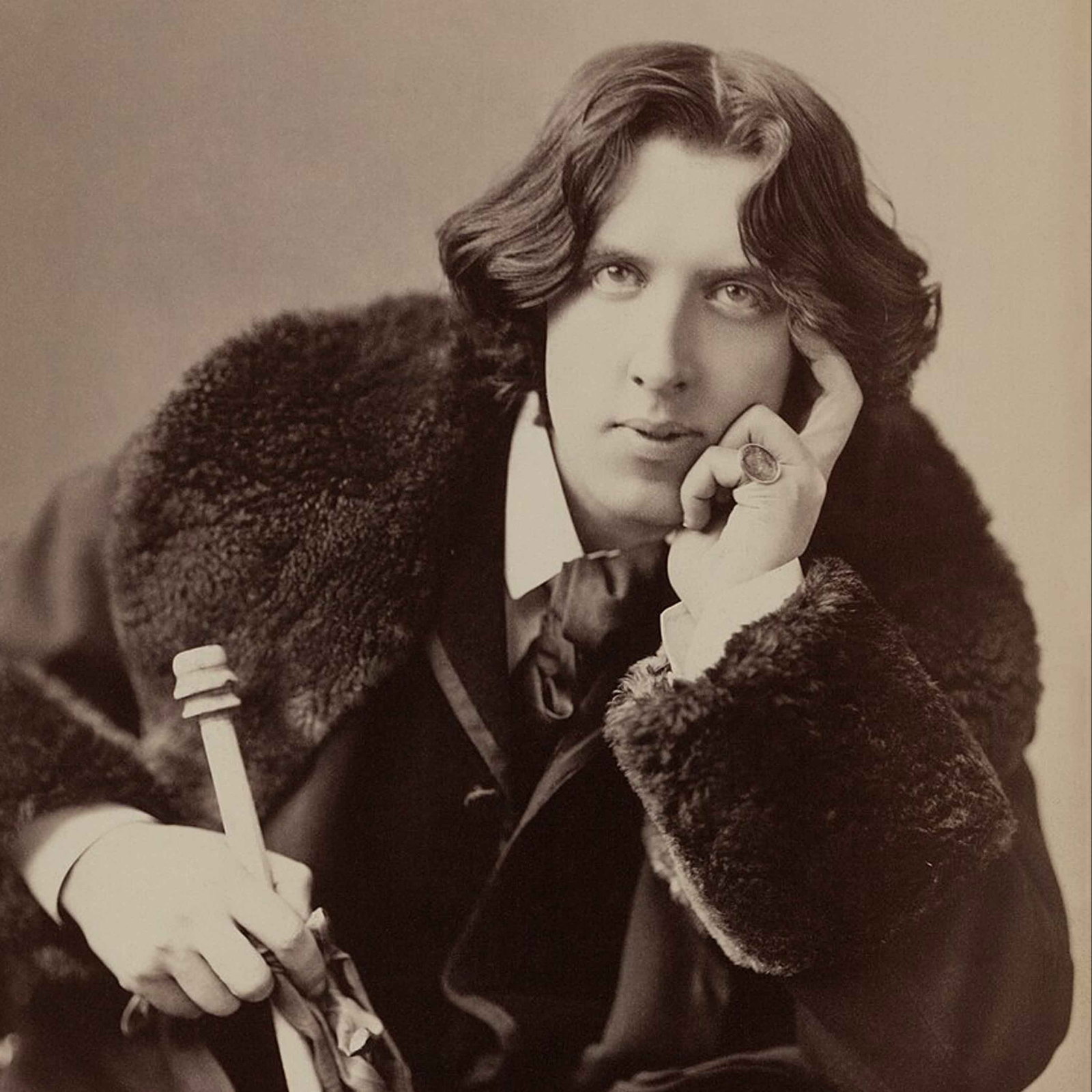
The Catholic Imagination of Oscar Wilde – Prof. Guiseppe Pezzini
Prof. Giuseppe Pezzini argues that Oscar Wilde's aestheticism and life journey reveal a Catholic imagination, where art confronts suffering and beauty leads to embracing the full reality of pain, culminating in his final reconciliation with faith. This lecture was given on March 23rd, 2026, at University of Galway. For more information on upcoming events, visit us at thomisticinstitute.org/upcoming-events. About the Speakers: Prof. Guiseppe Pezzini is an Associate Professor of Latin Language...
May 11, 2026
Catholic Social Teaching: Highlights from the Popes – Prof. James Felak
Prof. James Felak traces Catholic social teaching from Leo XIII to Francis, showing how the popes defend human dignity, a just wage, solidarity with the poor, subsidiarity, and the balance between rights and duties against both unchecked capitalism and collectivist ideologies. This lecture was given on March 5th, 2026, at University of Washington. For more information on upcoming events, visit us at thomisticinstitute.org/upcoming-events. About the Speakers: James Felak is a Professor of His...
May 8, 2026
Mary's Necessary Role in the Spiritual Life – Fr. John Mark Solitario, O.P.
This lecture was given on March 20th, 2026, at Vanderbilt University. For more information on upcoming events, visit us at thomisticinstitute.org/upcoming-events. About the Speakers: Fr. John Mark Solitario is from St. Thomas the Apostle Parish in West Springfield, MA and the eldest of four children. After attending Catholic schools through high school, he earned his bachelor of arts from Christendom College in Front Royal, Virginia. Desiring to contribute to Catholic education, he was admitt...