Episodes
April 3, 2026
The Cross is a Marriage Feast – Prof. Nina Sophie Heereman
This lecture was given on March 5th, 2026, at University of Louisiana at Lafayette. For more information on upcoming events, visit us at thomisticinstitute.org/upcoming-events. About the Speakers: Dr. Heereman was born and raised in Germany. Originally trained to become a lawyer and after completing her bar exam, she experienced a deep encounter with the Lord which led her to consecrate her life to the study and teaching of the Word of God. She subsequently attended the ICPE sc...
April 2, 2026
Thomas Aquinas and the Theological Virtue of Hope in Times of Quiet Despair – Prof. Rik Van Nieuwenhove
This lecture was given on March 12th, 2026, at University of Edinburgh. For more information on upcoming events, visit us at thomisticinstitute.org/upcoming-events. About the Speakers: Rik Van Nieuwenhove is Professor of Medieval Theology at Durham University, UK. He has published scholarly articles on medieval theology (especially Aquinas) and spirituality, theology of the Trinity, and soteriology. His books include: Providence, Evil and Salvation. A Thomist Perspective (Cambr...
April 1, 2026
The Promises and Pitfalls of Stoicism – Prof. Christopher Frey
Prof. Christopher Frey argues that Stoicism offers real insights about freedom and detachment from externals, but its ideal of self-sufficient serenity risks flattening human emotion, moral life, and the need for grace. This lecture was given on November 7th, 2024, at United States Military Academy. For more information on upcoming events, visit us at thomisticinstitute.org/upcoming-events. About the Speakers: Christopher Frey is currently the McFarlin Professor of Philosophy at The Universi...
March 31, 2026
Why So Sad? The Sorrows that Kill and the Sorrows that Save – Sr. Anna Wray, O.P.
Sr. Anna Wray argues that sorrow can either deform the soul as acedia or save it when rightly faced, and she offers a Thomistic account of how sorrow, friendship with God, and spiritual remedies shape the Christian life. This lecture was given on November 6th, 2025, at Iowa State University. For more information on upcoming events, visit us at thomisticinstitute.org/upcoming-events. About the Speakers: Sister Anna Wray is a native of Connecticut and a member of the Domini...
March 30, 2026
Wisdom from the Old Testament on Prayer and the Spiritual Life – Fr. Stephen Ryan, O.P.
This lecture was given on February 19th, 2026, at University of Tulsa. For more information on upcoming events, visit us at thomisticinstitute.org/upcoming-events. About the Speakers: Fr. Stephen Ryan was born and raised in Boston and entered the Order of Preachers in 1987. He was ordained a priest in 1993 and, on completion of doctoral studies in Scripture, was assigned to the Dominican House of Studies in 2000. He teaches Scripture and the biblical languages.
March 27, 2026
Why Modern Christians Need the Eucharist – Prof. Michael Dauphinais
Prof. Michael Dauphinais contends that modern Christians, formed by empiricism, individualism, and a this‑worldly hope that easily turns to despair, especially need the Eucharist because it is the concrete, sacramental way Christ draws us into the Trinitarian communion for which we were created, making his paschal mystery present and reproducing his own filial relation to the Father in us. This lecture was given on November 14th, 2025, at University of Oklahoma. For more information on upcomin...
March 26, 2026
Catholic Doctrine and Judaism – Prof. Gavin D'Costa
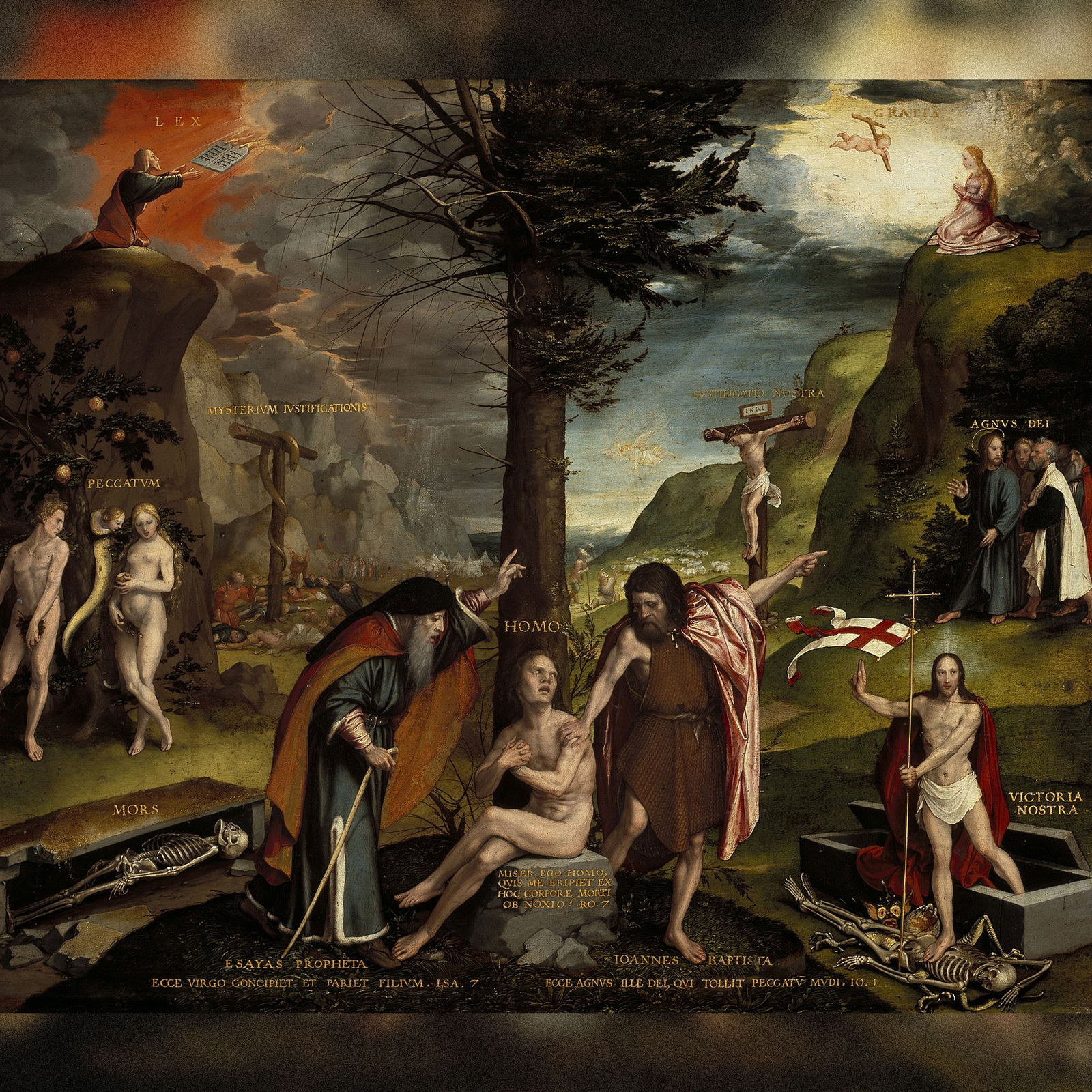
Prof. Gavin D’Costa explains how, since Vatican II, the Catholic Church has rethought its relationship to Judaism by affirming the enduring validity of God’s covenant with the Jewish people, recovering the Church’s identity as a fundamentally Jewish–Gentile reality, and opening unresolved but fertile questions about mission, ecclesiology, and antisemitism. This lecture was given on October 9th, 2025, at University of Edinburgh. For more information on upcoming events, visit us at thomisticinst...
March 25, 2026
Justified by Grace, Works, or Faith? – Prof. Michael Root
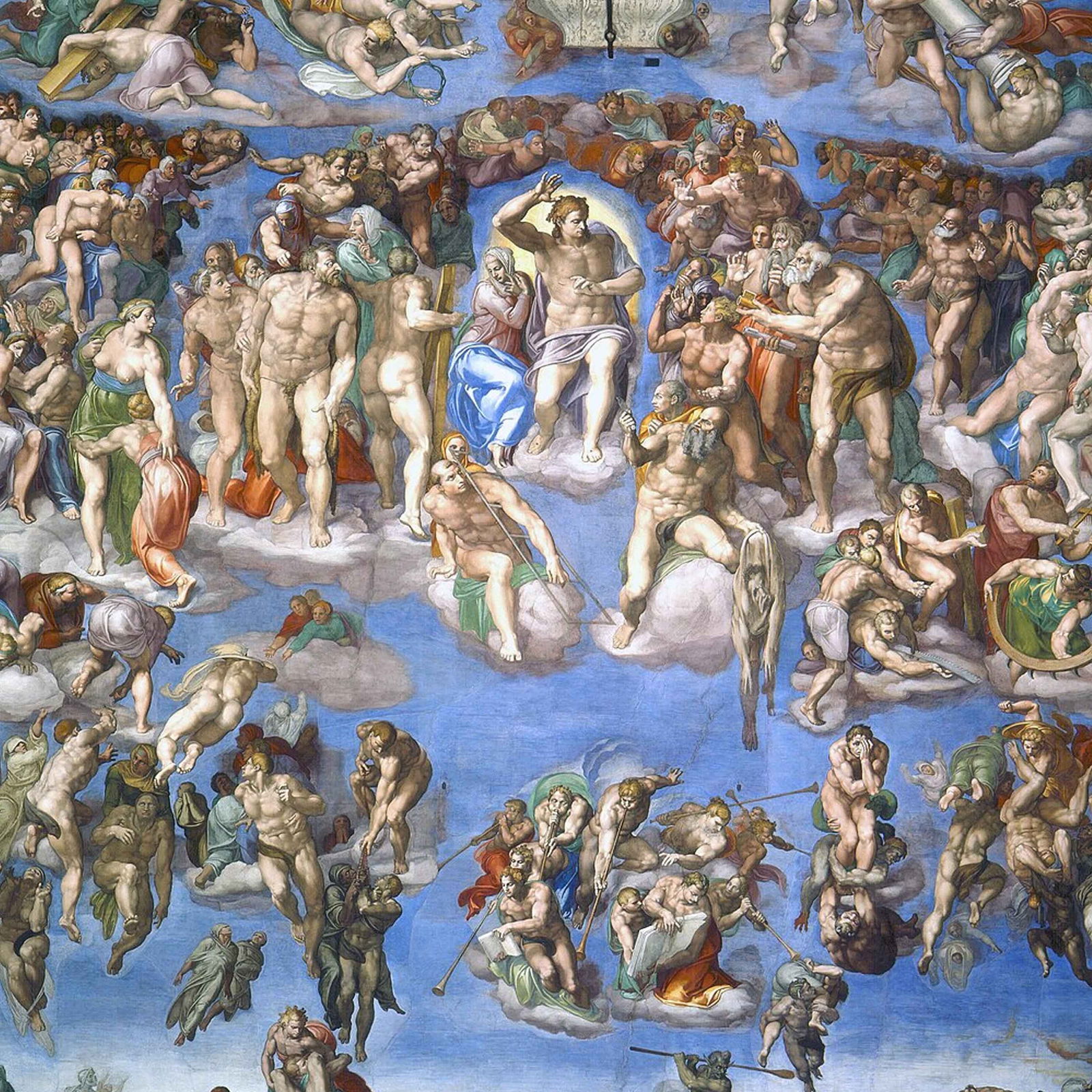
Prof. Michael Root argues that, in Catholic theology, we are saved wholly by the unmerited grace of Christ, and that this grace brings us into a Spirit‑given life of faith, hope, love, and morally significant works, so that eternal life is at once pure gift and, in a secondary sense, a “merited destiny.” This lecture was given on September 9th, 2025, at North Carolina State University. For more information on upcoming events, visit us at thomisticinstitute.org/upcoming-events. About the Speak...
March 24, 2026
Why the Catholic Church Has Priests – Fr. Dominic Langevin, O.P.
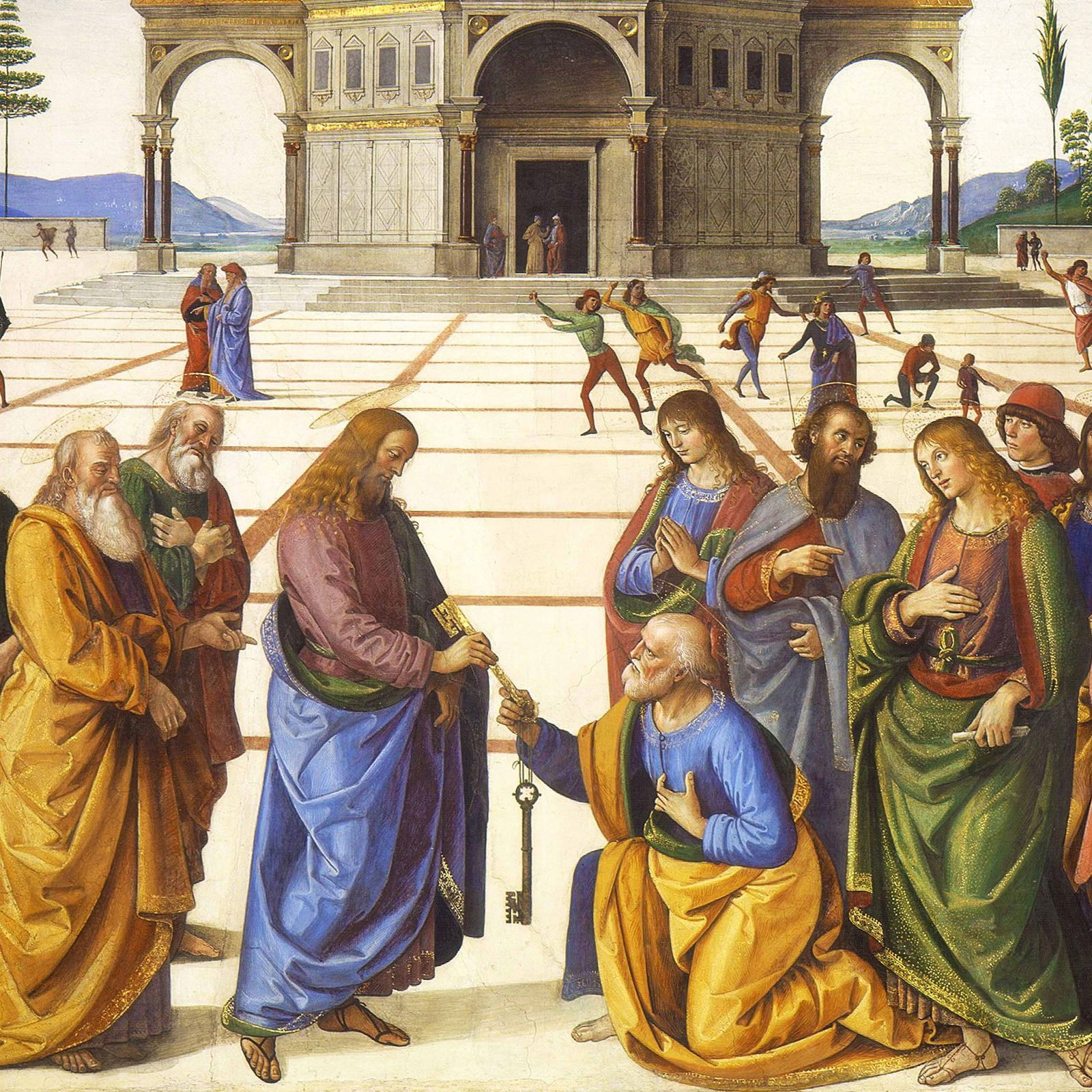
Fr. Dominic Langevin defends the Catholic priesthood as a divinely willed, sacramental system of mediation in which ordained men, configured to Christ the High Priest, bestow God’s gifts on the faithful and offer their prayers and sins to God, thereby promoting both God’s glory and the sanctification and dignity of the Church. This lecture was given on November 10th, 2025, at West Virginia University. For more information on upcoming events, visit us at thomisticinstitute.org/upcoming-events. ...
March 23, 2026
Aquinas on Predestination: The Main Issues – Fr. John Baptist Ku, O.P.
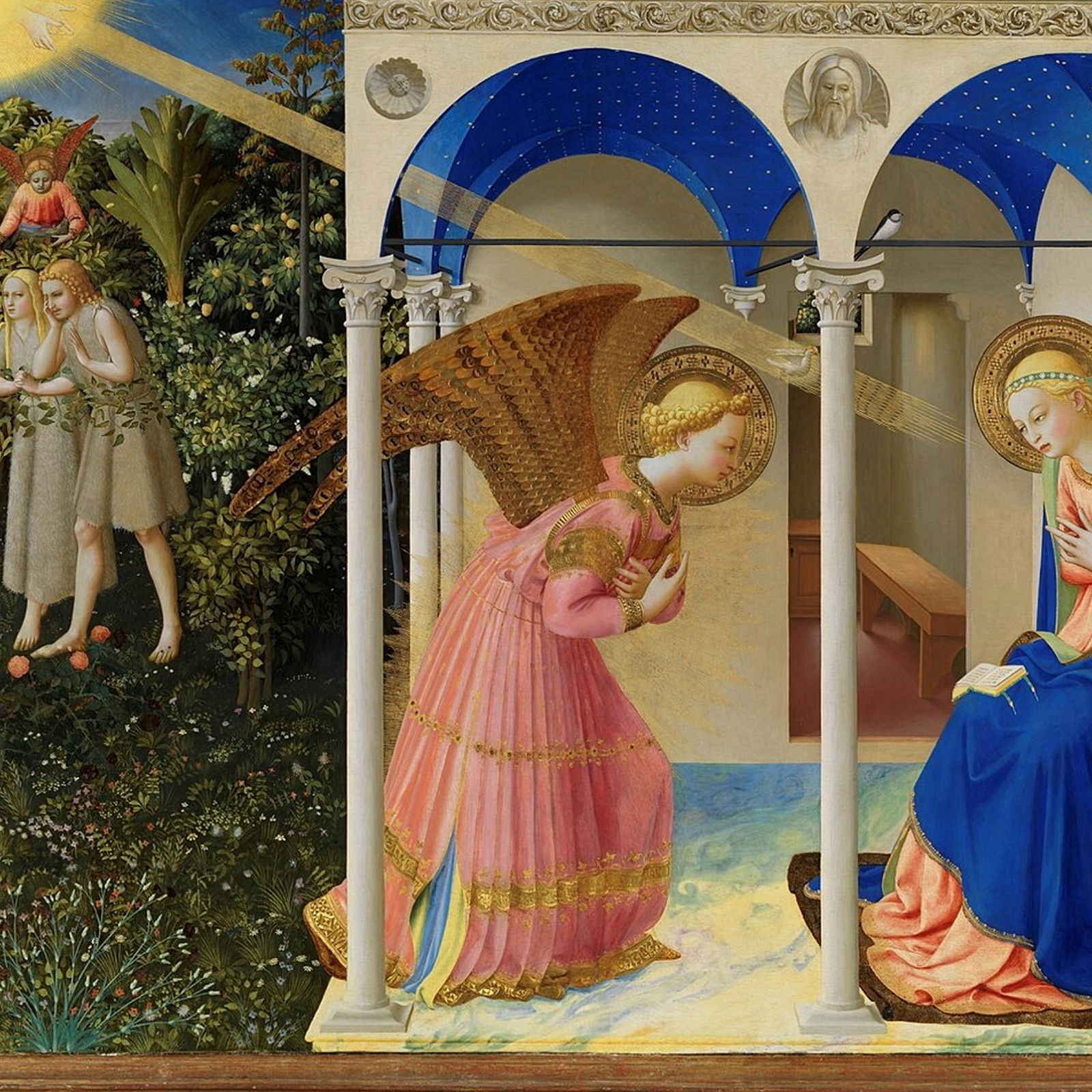
Fr. John Baptist Ku unpacks St. Thomas Aquinas’s doctrine of predestination, showing how God’s universal salvific will, efficacious grace, and real human freedom coexist without collapsing into Calvinist double predestination or Pelagian self-salvation. This lecture was given on November 22nd, 2025, at Dominican House of Studies. For more information on upcoming events, visit us at thomisticinstitute.org/upcoming-events. About the Speakers: Fr. John Baptist Ku was born in Manhattan (1965) an...
March 20, 2026
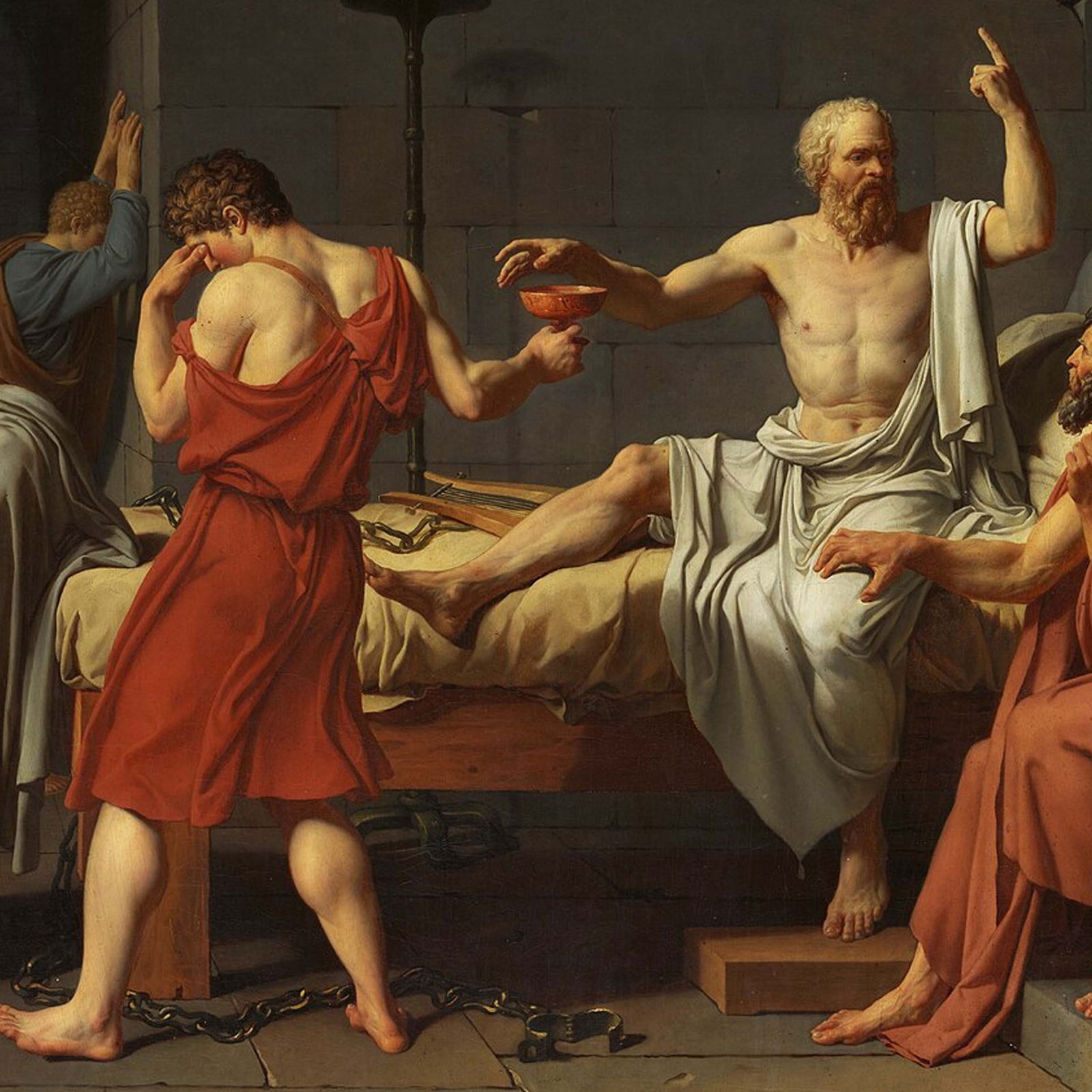
Immorality and Immateriality – Prof. Thomas Osborne
Prof. Thomas Osborne clarifies how, for Aristotle and St. Thomas Aquinas, the distinctive immateriality of human intellectual knowledge grounds a philosophical case for the soul’s immortality, going beyond today’s narrower “problem of consciousness.” This lecture was given on October 16th, 2025, at University of Connecticut. For more information on upcoming events, visit us at thomisticinstitute.org/upcoming-events. About the Speakers: Thomas M. Osborne, Jr. (Ph.D, Duke U...
March 19, 2026
Beyond Work and Play: Aristotle on Friendship, Contemplation, and The Value of Human Activity – Prof. Marshall Bierson
Prof. Marshall Bierson uses Aristotle’s distinction between work, play, and deeper “energetic” activities to argue that friendship and contemplation uniquely allow us to “rest” in what is truly good and meaningful, and then shows how Aquinas radicalizes this by making both contemplation and friendship with God the heart of human fulfillment. This lecture was given on November 20th, 2025, at Cornell University. For more information on upcoming events, visit us at thomisticinstitute.or...
March 18, 2026
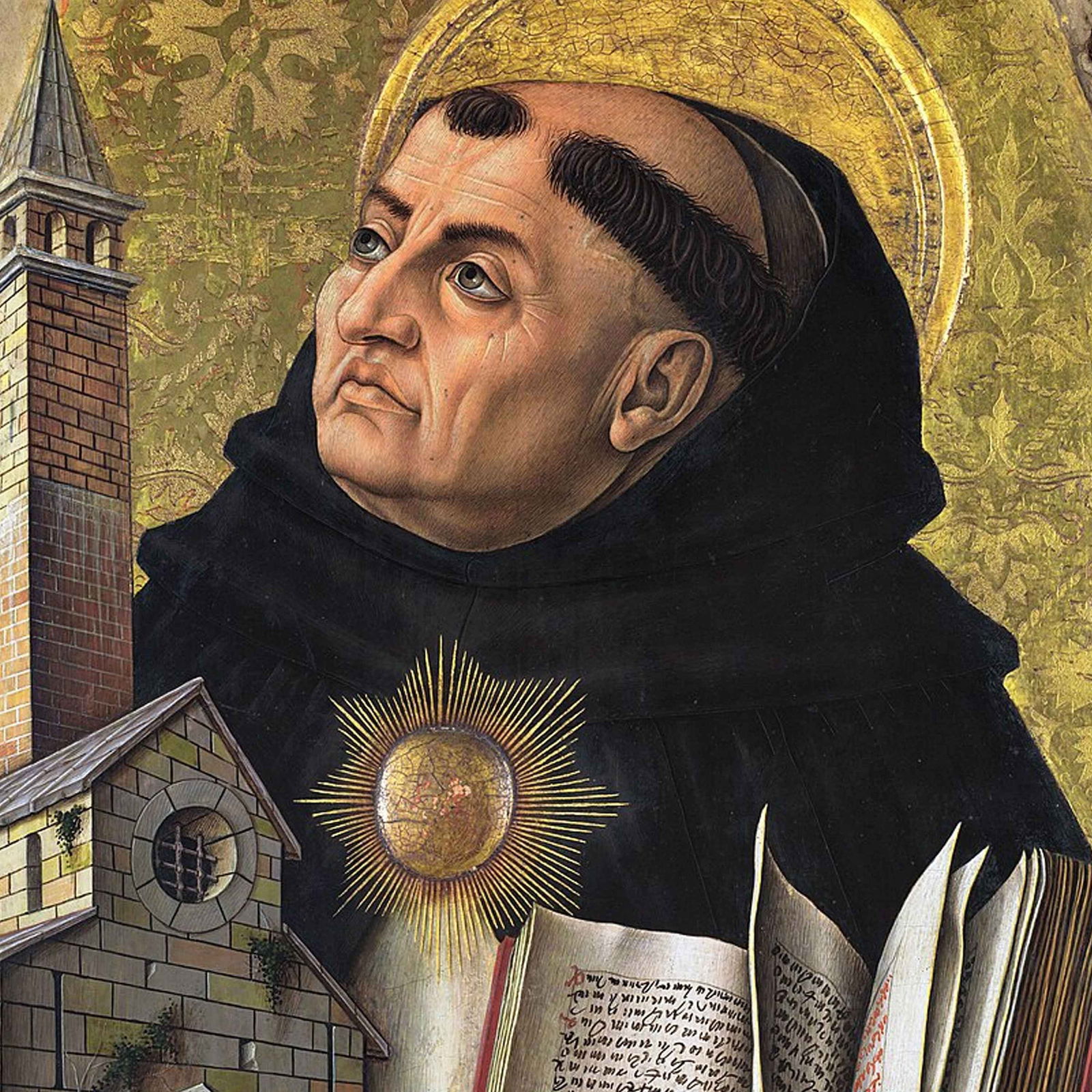
St. Thomas Aquinas on Pleasure and the Good Life – Dr. Erik Dempsey
Dr. Erik Dempsey explains how St. Thomas Aquinas sees pleasure as a natural and God-given part of the good life, one that both signals our true human ends and yet must be disciplined by temperance in a fallen world. This lecture was given on December 4th, 2025, at Southern Methodist University. For more information on upcoming events, visit us at thomisticinstitute.org/upcoming-events. About the Speakers: Professor Erik Dempsey an Associate Professor of Instruction in the...
March 17, 2026
Suffering and the Communion of Saints – Prof. Timothy O'Connor
Prof. Timothy O’Connor examines why an all-loving, omnipotent God permits horrendous suffering and explores how, within a Christian framework, such evils can be “defeated” and taken up into the communion of saints as part of our eternal union with God. This lecture was given on December 3rd, 2025, at University of Scranton. For more information on upcoming events, visit us at thomisticinstitute.org/upcoming-events. About the Speakers: Tim O’Connor is the Mahlon Powell Professor of Philosophy...
March 16, 2026
Friendship: The Art of Striving and Thriving Together – Sr. Mary Madeline Todd, O.P.
Sr. Mary Madeline Todd draws upon Aristotle, St. Thomas Aquinas, and friendship with Christ in order to show that sharing a common journey and life, together with mutual self-gift, turns everyday relationships into true, virtuous friendships that enable us not merely to survive but to thrive in happiness with God and one another. This lecture was given on November 27th, 2025, at Thomistic Institute in Limerick. For more information on upcoming events, visit us at thomisticinstitute.o...
March 13, 2026
Burnout Society – Dr. R.J. Snell
Dr. R. J. Snell analyzes our “burnout society” as an achievement-obsessed culture that drives people to anxiety, depression, and exhaustion by demanding endless self-optimization while starving them of leisure, contemplation, and a meaningful narrative for their lives. This lecture was given on December 8th, 2025, at University of Pennsylvania. For more information on upcoming events, visit us at thomisticinstitute.org/upcoming-events. About the Speakers: R. J. Snell is E...
March 12, 2026
From the Dictatorship of Relativism to the Tyranny of Pathos – Dr. Kevin Kambo
Dr. Kevin Kambo argues that our culture has moved from a “dictatorship of relativism” to a “tyranny of pathos,” in which appeals to hurt feelings and empathy displace reasoned deliberation about truth, justice, and human nature. This lecture was given on October 23rd, 2025, at Fordham University. For more information on upcoming events, visit us at thomisticinstitute.org/upcoming-events. About the Speakers: Kevin M. Kambo is an assistant professor of philosophy at the University of Dallas in...

March 11, 2026
Are Right and Wrong Just a Matter of Opinion? – Prof. Steven Jensen
Prof. Steven Jensen argues that right and wrong are not just a matter of opinion by defending moral realism over moral relativism, showing that moral truths are grounded in human nature and goals rather than mere subjective attitudes. This lecture was given on November 13th, 2025, at Fordham University. For more information on upcoming events, visit us at thomisticinstitute.org/upcoming-events. About the Speakers: Steven J Jensen holds the Bishop Nold Chair in Graduate Ph...

March 10, 2026
Is the Church Anti-Capitalist? – Fr. Jacques-Benoît Rauscher, O.P.
Fr. Jacques Benoit-Rauscher explores whether the Catholic Church is truly anti-capitalist by clarifying how Catholic social doctrine distinguishes legitimate market structures from the problematic “spirit of capitalism” and proposing a prudent, Thomistic way of living faithfully within contemporary economic systems. This lecture was given on October 30th, 2025, at University of Galway. For more information on upcoming events, visit us at thomisticinstitute.org/upcoming-events. ...
March 9, 2026
Dante and Aquinas – Prof. George Corbett
Prof. George Corbett examines how Dante’s vision of Christian wisdom, politics, and philosophy stands in deep harmony with Aquinas and Pope Leo XIII’s Leonine Thomistic revival, against Etienne Gilson’s charge that Dante shattered both Thomism and Christendom.
Guest: Prof. George Corbett
March 6, 2026
Catholic Scientists – Prof. Jonathan I. Lunine
Prof. Jonathan I. Lunine presents his life as a planetary scientist and Catholic convert as a lived example of the harmony between faith and science, then highlights two priest‑scientists—Georges Lemaître and Gregor Mendel—whose foundational work on the Big Bang and genetics shows that Catholic belief has stood at the center of modern scientific revolutions.
Guest: Prof. Jonathan I. Lunine
March 5, 2026
Catholic Faith and Medicine: In Harmony or in Conflict? – Dr. Timothy P. Flanigan, MD
Dr. Timothy P. Flanigan, M.D., presents Catholic faith and medicine as profoundly harmonious, showing how Christ’s person‑to‑person healing, the Church’s hospital tradition, and a “culture of life” can and must be lived inside today’s secular, therapeutically focused healthcare system—precisely where pressures over abortion, assisted suicide (MAID), and gender interventions create the sharpest conflicts of conscience.
Guest: Dr. Timothy P. Flanigan, MD
March 4, 2026
The War That Never Was: Science vs. Faith – Prof. Lawrence M. Principe
Prof. Lawrence M. Principe argues that the supposed “war” between science and faith is largely a modern myth, constructed in the late 19th century by figures like John William Draper and Andrew Dickson White for personal, political, and ideological reasons, then amplified by secularizers, technocratic utopians, and bad theology (especially “God‑of‑the‑gaps” arguments and naive literalism) on the religious side.
Guest: Prof. Lawrence M. Principe
March 3, 2026
The Making of Another Catholic Scientist – Prof. Jonathan Lunine
Prof. Jonathan Lunine offers a personal and intellectual witness that one can be both a serious planetary scientist and a committed Catholic, describing his journey from Jewish upbringing and “cradle astronomer” to baptism and then to public advocacy against the supposed science–faith conflict.
Guest: Prof. Jonathan I. Lunine