Episodes

Dec. 31, 2025
Seeking Friendship in the Virtual Age – Prof. John Cuddeback
Prof. John Cuddeback reflects on why many students feel relationally unsatisfied in a hyper-connected world and shows how reclaiming embodied presence, intentional discernment of a few trustworthy friends, and technology-limited, silence-friendly communal spaces can restore the depth, vulnerability, and shared pursuit of the good that real friendship requires.
Guest: Prof. John Cuddeback
Dec. 30, 2025
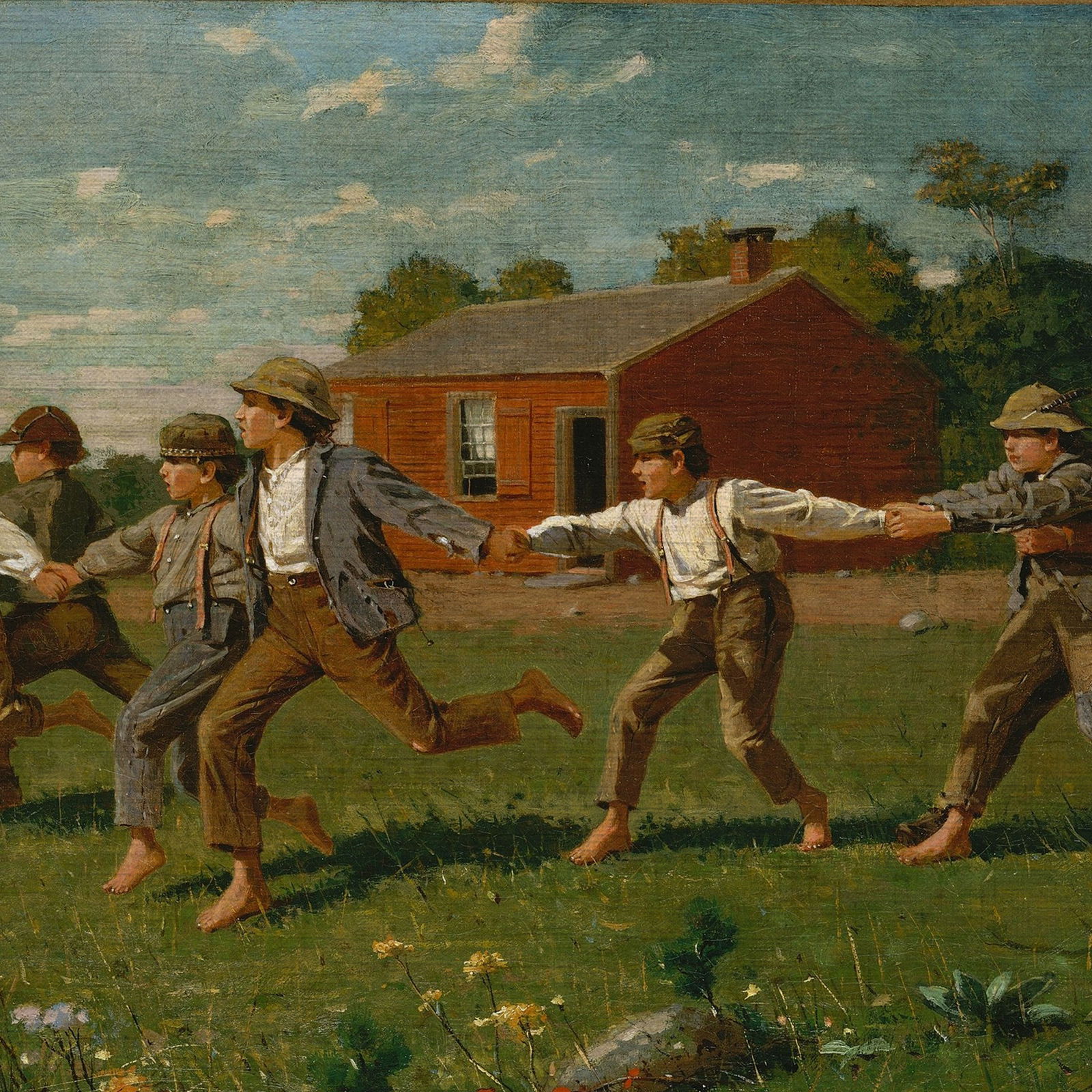
Let the Best One Win: Reflections of Friendship and Competition – Prof. Michael Krom
Prof. Michael Krom explores how athletic rivalry, when rooted in justice and love of the good, can deepen genuine friendship, build virtue, and lead toward a contemplative vision of life.
Guest: Prof. Michael Krom
Dec. 29, 2025
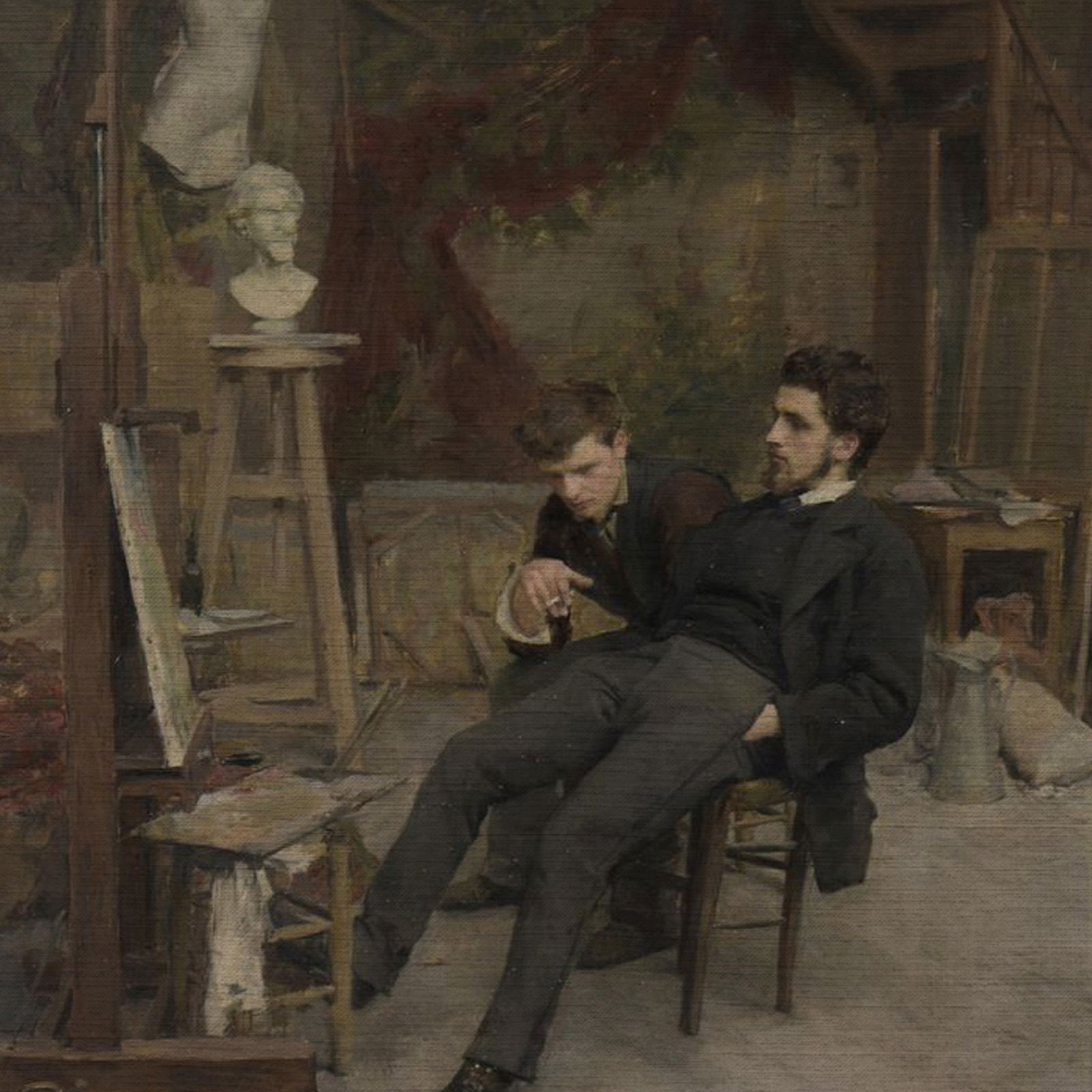
Friendship and the Digital Age: A Thomistic Reflection on Human Connection – Prof. Joshua Hochschild
Prof. Joshua Hochschild argues that digital culture reshapes friendship and attention through Curiositas and acedia, offering a path of renewal by cultivating virtue, mindful leisure, and rooted communal belonging.
Guest: Prof. Joshua Hochschild

Dec. 26, 2025
Why Get Married? The Catholic View of the Meaning and Purpose of Marriage – Prof. Michael Dauphinais
Prof. Michael Dauphinais explains marriage as a lifelong covenant of self-giving love between a man and a woman that images Christ’s union with the Church, ordered to the spouses’ sanctification and the procreation and education of children .
Guest: Prof. Michael Dauphinais
Dec. 25, 2025
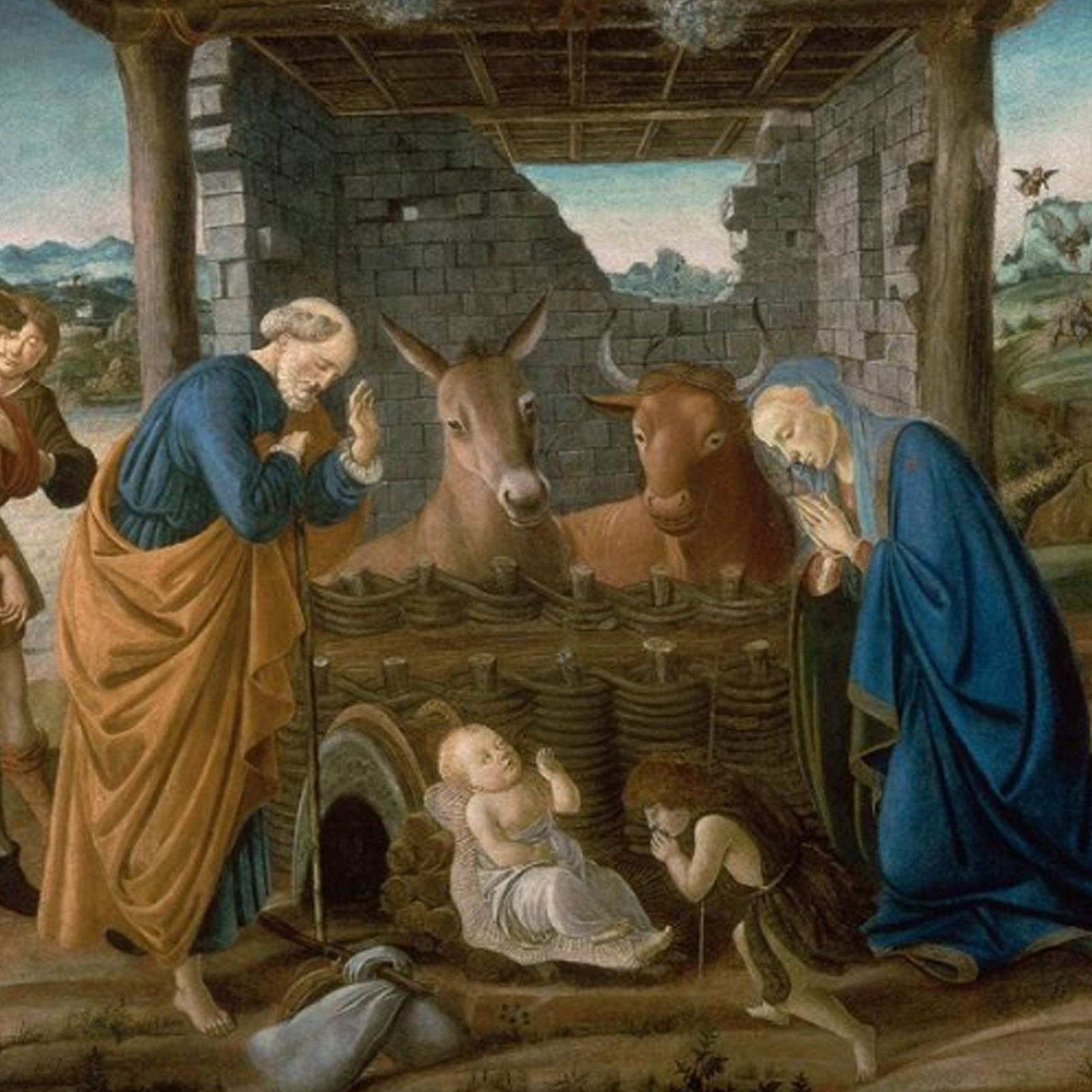
Why Did God Become Man? The Absolute Primacy of Christ According to Blessed Duns Scotus – Prof. Thomas Ward
Prof. Thomas Ward explains Scotus’s bold claim that the Incarnation is not primarily a response to human sin, but the centerpiece of God’s eternal plan for creation, so that Christ would have become incarnate even if Adam had never fallen .
Guest: Prof. Thomas Ward
Dec. 24, 2025
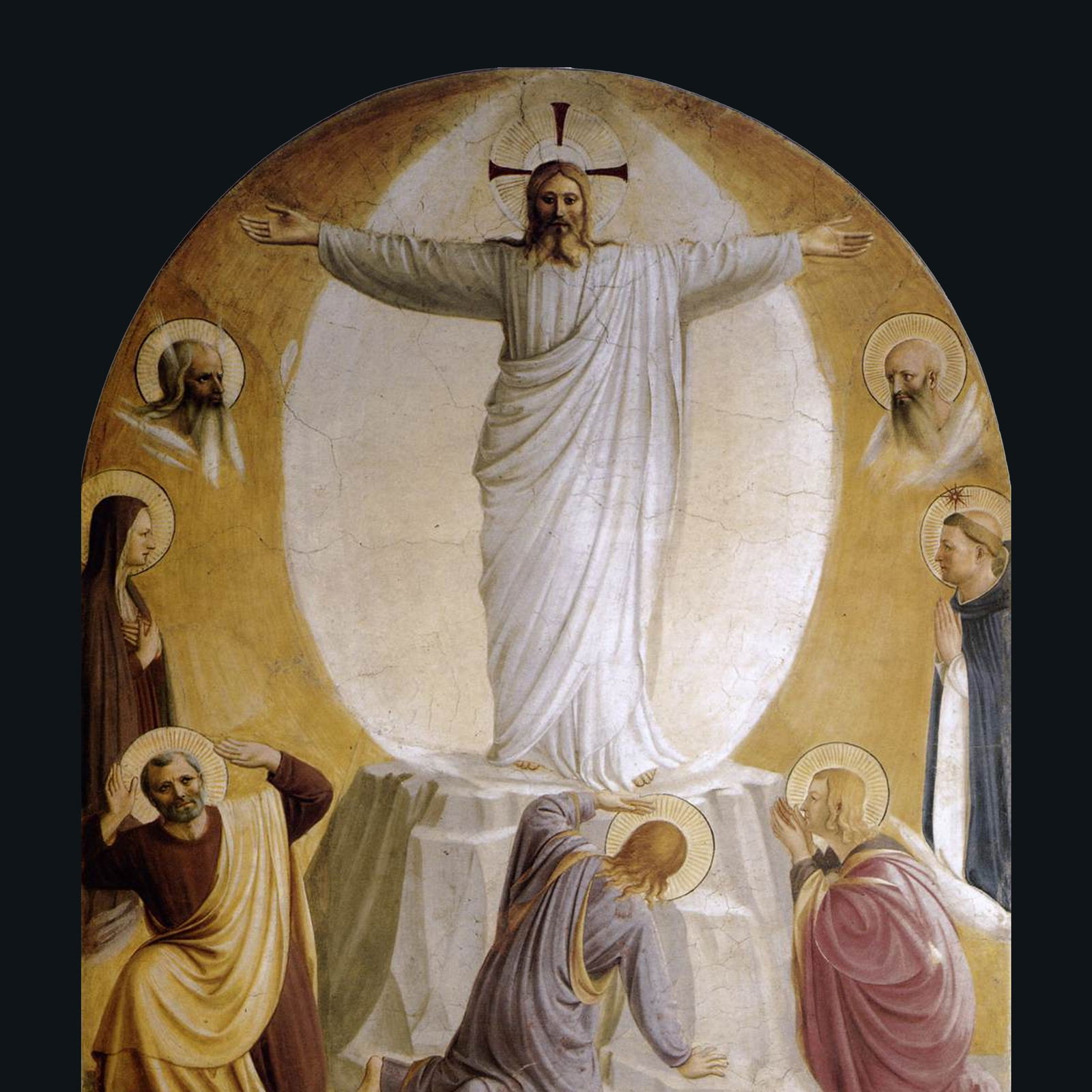
Participation in the Divine Nature: Aquinas and the Catholic Vision of Theosis – Fr. Gregory Pine, O.P.
Fr. Gregory Pine explains that, according to Aquinas, Christians are called to true divinization or theosis: by grace and the sacraments they really come to share in God’s own life without becoming God by nature, growing into intimate communion with the Triune God through Christ in whom this transformation is perfectly realized.
Guest: Fr. Gregory Pine, O.P.
Dec. 23, 2025
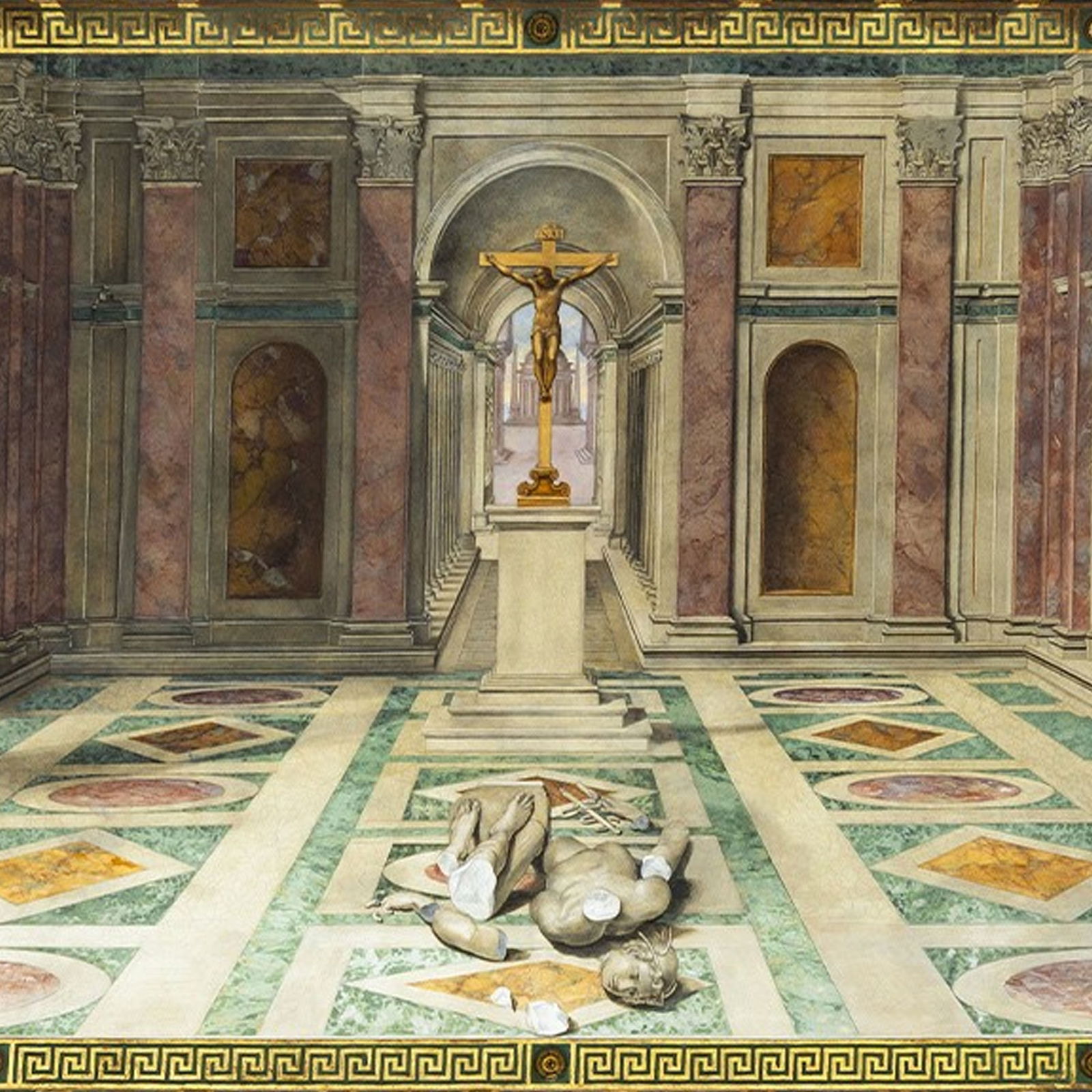
What Difference Did Christianity Make? Why the Ancient Greeks, Romans, and Irish Converted – Fr. Terence Crotty, O.P.
Fr. Terence Crotty argues that Christianity spread so rapidly because it uniquely answered the human search for truth and happiness while transforming social life through charity, dignity for slaves and women, and a compelling vision of a good and loving God that pagan religion and philosophy could not provide.
Guest: Fr. Terence Crotty, O.P.
Dec. 22, 2025
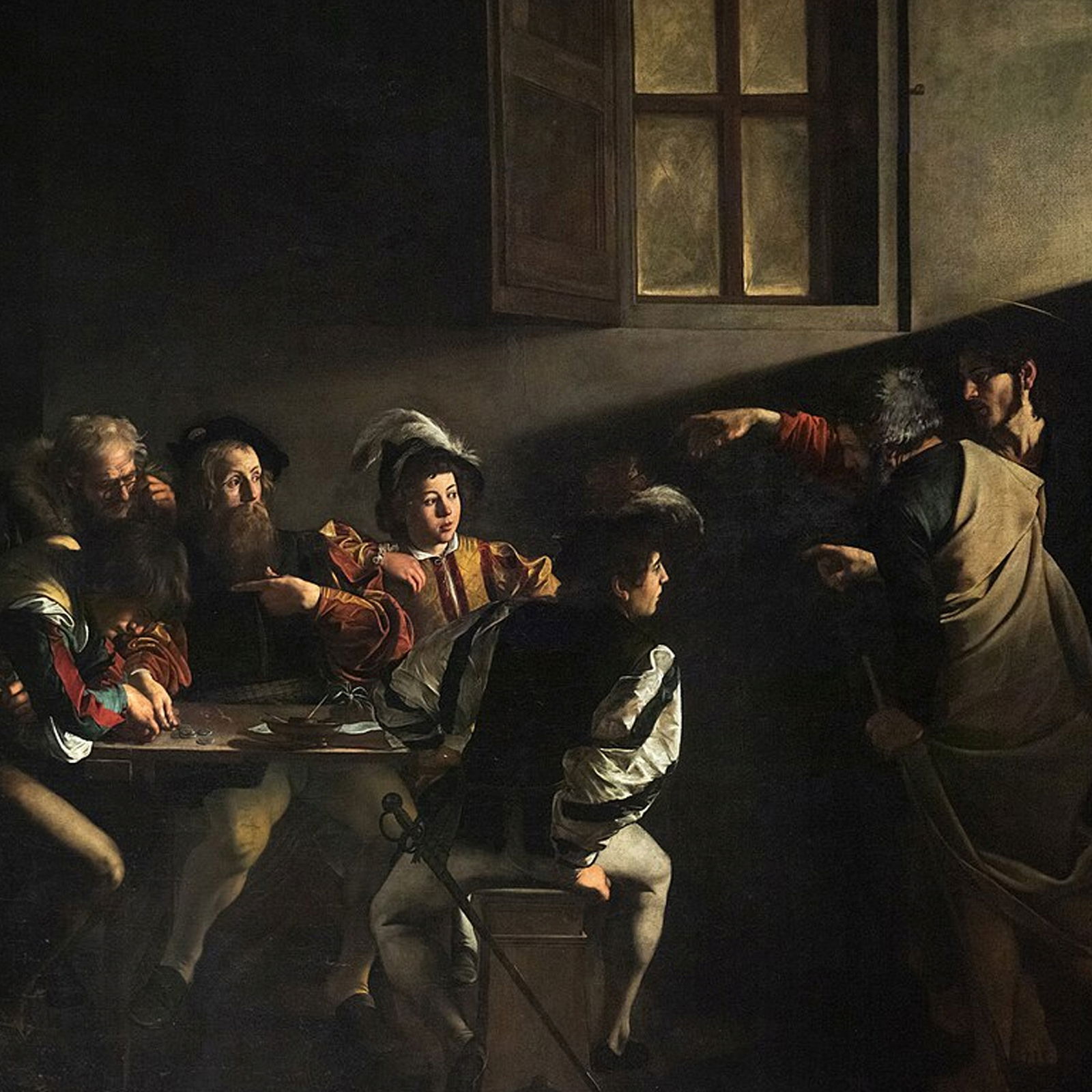
The Disappearing Man: Body, Soul, and the Question of Who We Are – Dr. Paul LaPenna
Dr. Paul LaPenna uses the dramatic case of a man in a coma from autoimmune brain disease to show that personal identity endures despite severe loss of abilities, arguing from neurology and Thomistic philosophy that a human person is a unified body–soul substance whose soul grounds changing traits over time.
Guest: Dr. Paul LaPenna
Dec. 19, 2025
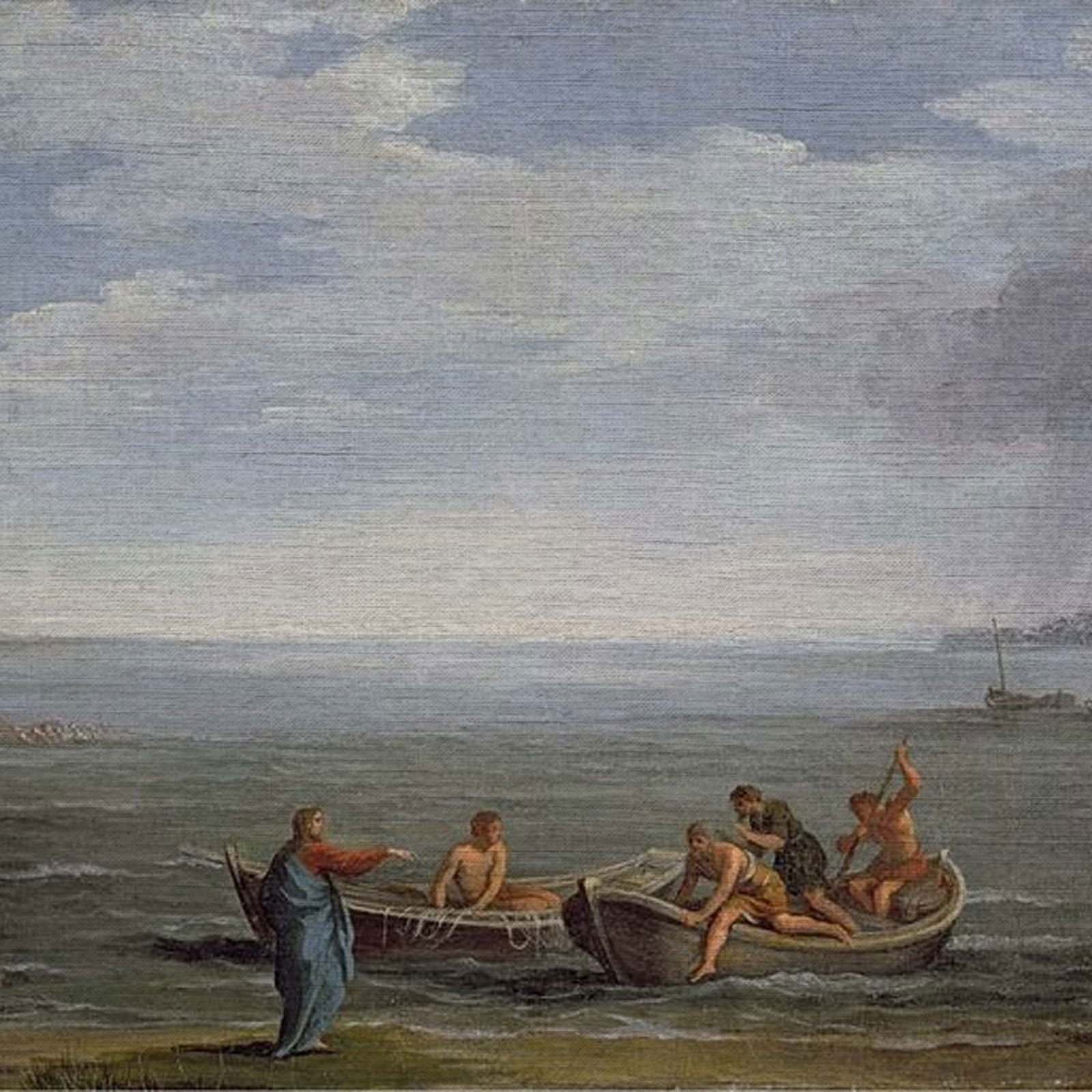
Rebutting Necessitarian Universalism: Three Thomistic Arguments – Prof. Mats Wahlberg
Prof. Mats Wahlberg argues that “necessitarian universalism”—the claim that hell is metaphysically impossible and that God must save all rational creatures—is incompatible with core Christian metaphysical commitments, and he develops three Thomistic arguments to show that the possibility of eternal damnation follows from God’s wisdom, respect for created natures, and desire for truly free self-gift.
Guest: Prof. Mats Wahlberg
Dec. 18, 2025
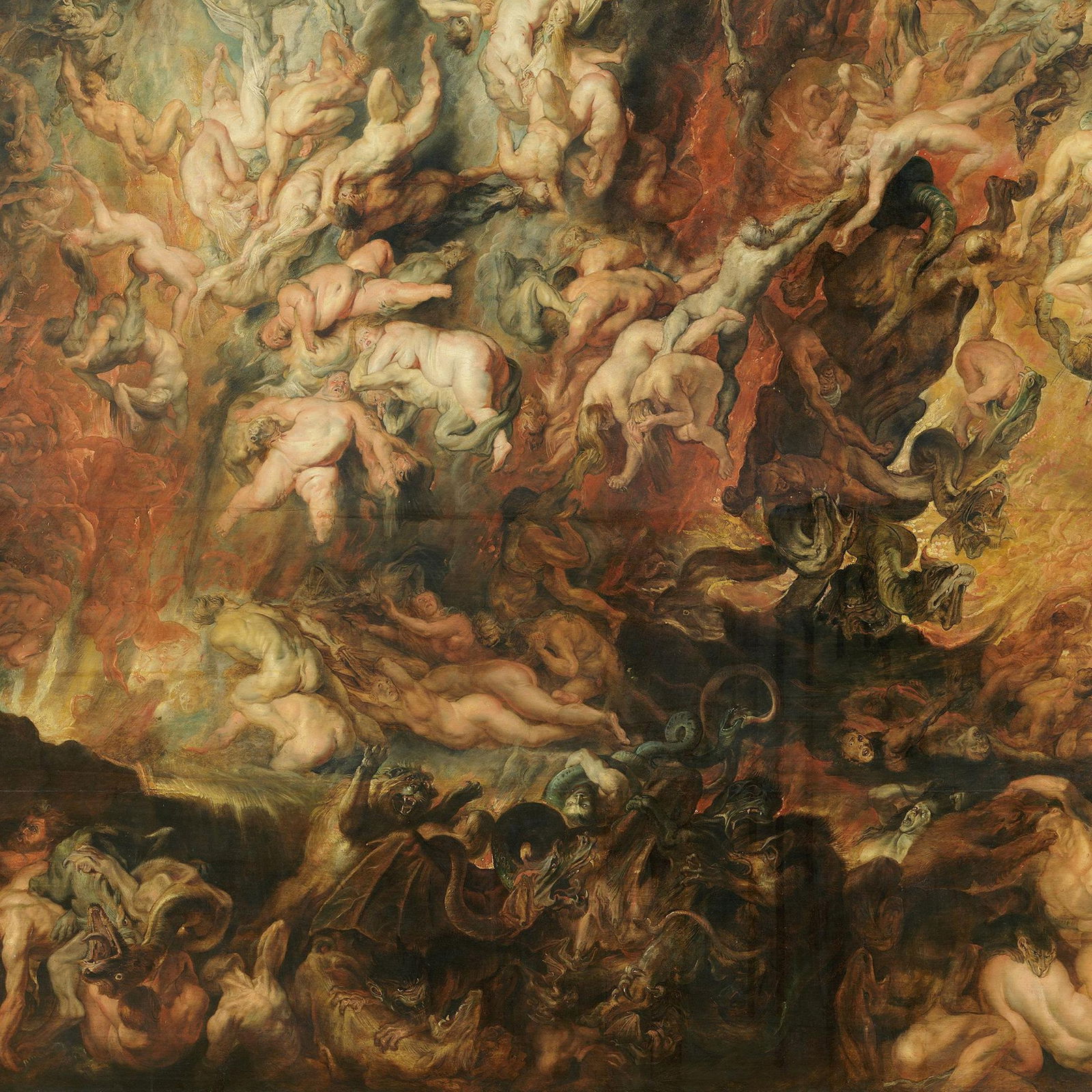
Reprobation and Permission of Sin – Prof. Thomas Osborne
Prof. Thomas Osborne explains reprobation and the permission of sin in Thomas Aquinas as the asymmetrical counterpart to predestination, where God positively causes the grace and merits leading the elect to glory but only permits the sins of the reprobate without ever willing or causing moral evil, thus safeguarding both divine justice and human responsibility.
Guest: Prof. Thomas Osborne
Dec. 17, 2025
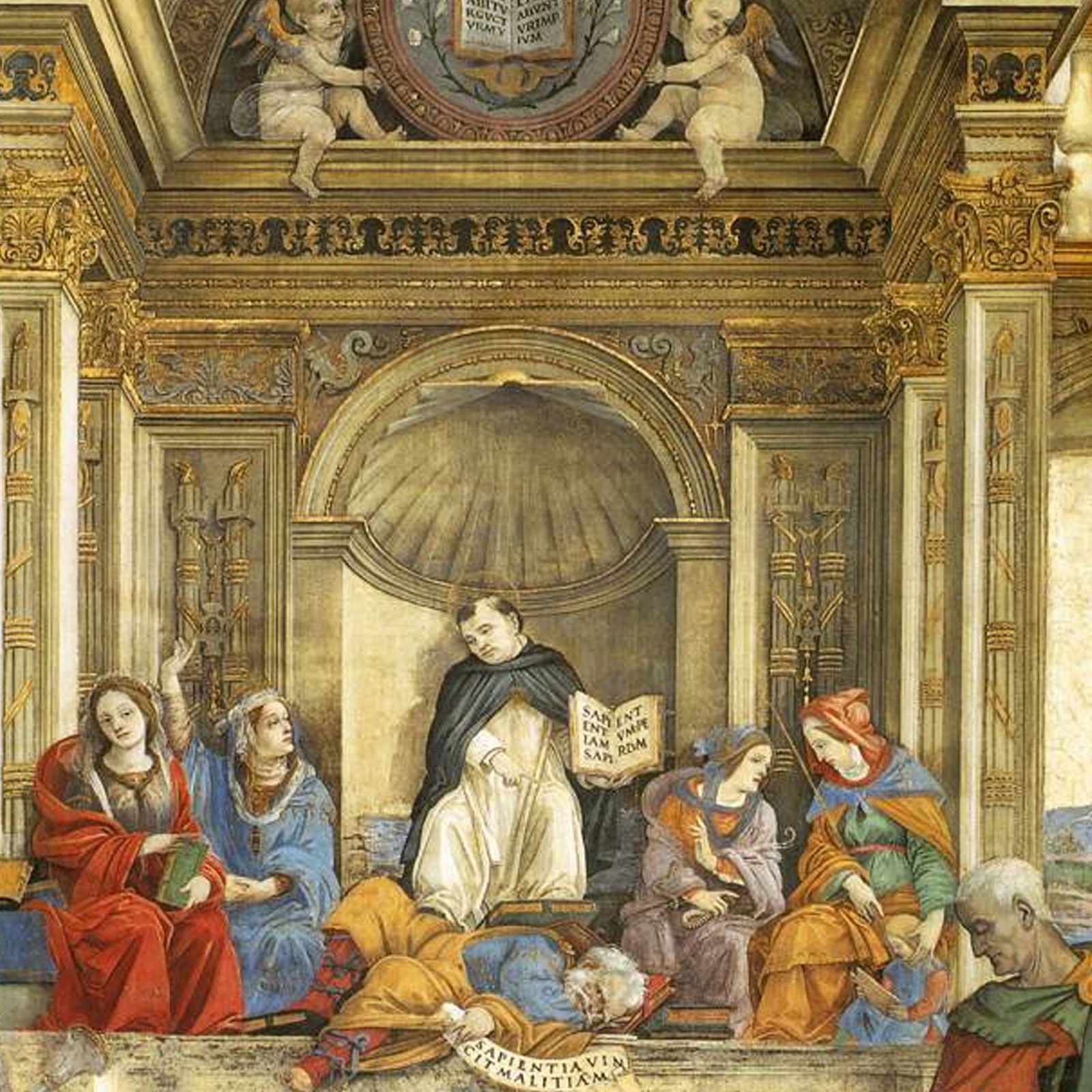
Aquinas's Interpretation of Predestination in Scripture – Fr. Piotr Roszak
Fr. Piotr Roszak shows how Thomas Aquinas interprets predestination through a deeply biblical lens, reading predestination as God’s merciful, Christ-centered plan to lead creation freely to a supernatural end and insisting that scriptural context is essential for avoiding deterministic distortions of the doctrine.
Guest: Fr. Piotr Roszak
Dec. 16, 2025
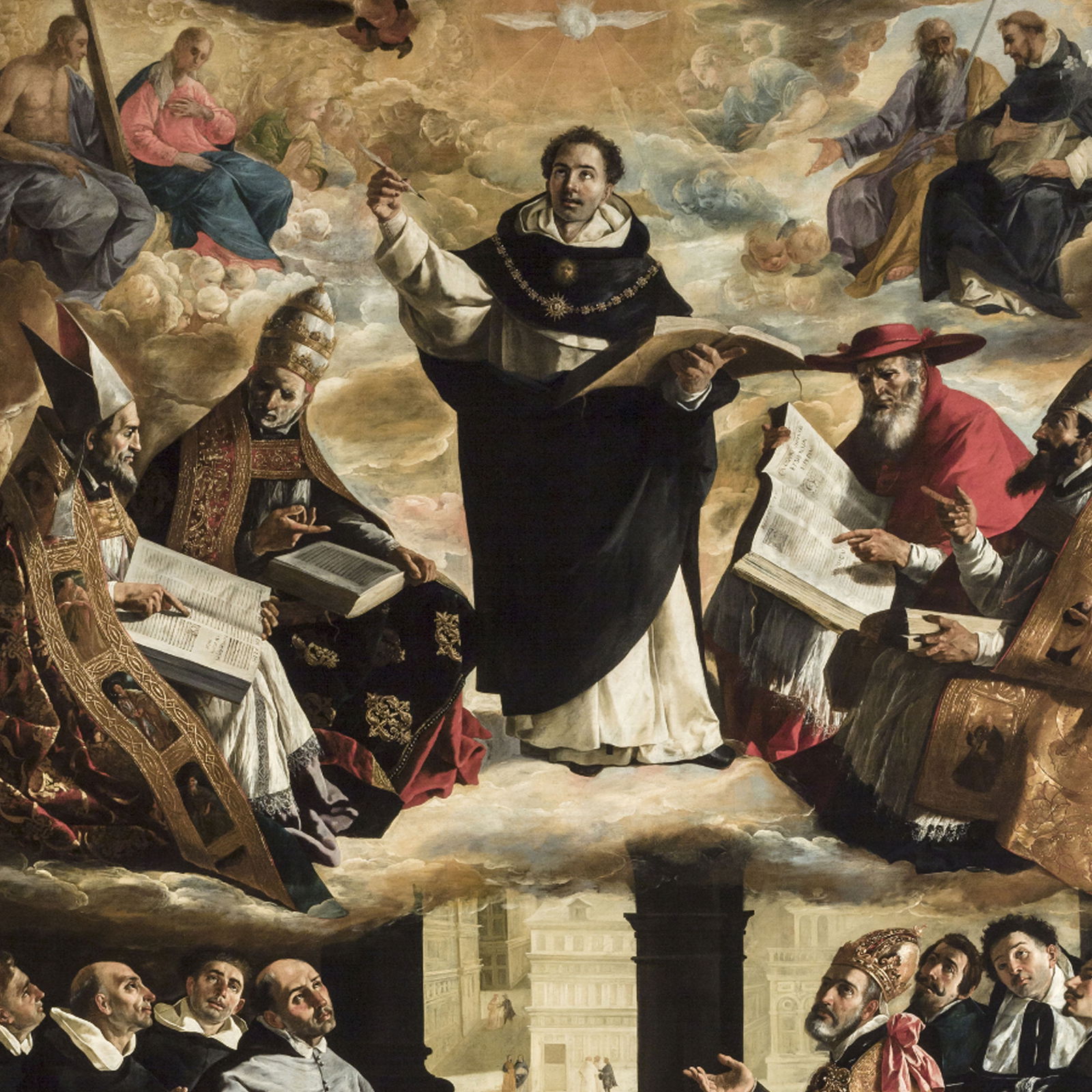
Why is Thomism so Fixated on Predestination? – Fr. Cajetan Cuddy, O.P.
Fr. Cajetan Cuddy explains that Thomism is “fixated” on predestination because this doctrine lies at the speculative and practical center of the Thomistic vision of reality, uniting its key philosophical principles and theological convictions about God, creation, grace, and salvation in a single, coherent account.
Guest: Fr. Cajetan Cuddy, O.P.

Dec. 15, 2025
What is predestination? – Fr. Dominic Legge, O.P.
Fr. Dominic Legge explains predestination as a profoundly hopeful Catholic doctrine rooted in God’s eternal, loving plan to give grace and lead rational creatures freely to the supernatural end of the beatific vision, drawing especially on Saint Thomas Aquinas and Saint Augustine.
Guest: Fr. Dominic Legge, O.P.
Dec. 12, 2025
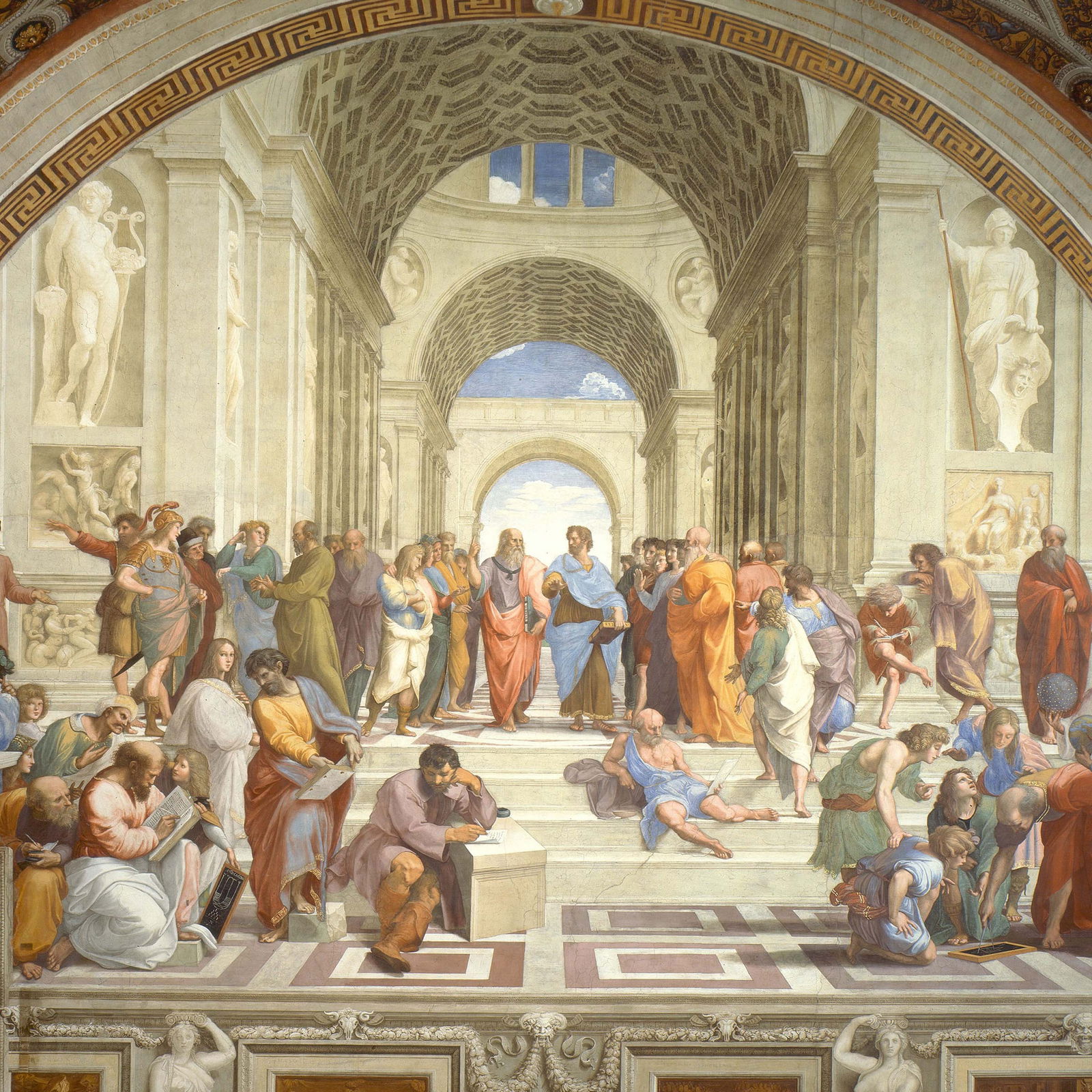
Does Nature Make Laws? – Prof. Raymond Hain
Prof. Raymond Hain examines whether nature “makes” laws by exploring classical and contemporary accounts of natural law, arguing that human moral norms arise from our rational participation in the ordered structure of life and the universe as understood in both philosophy and Catholic thought.
Guests: Prof. Raymond Hain , hai
Dec. 11, 2025
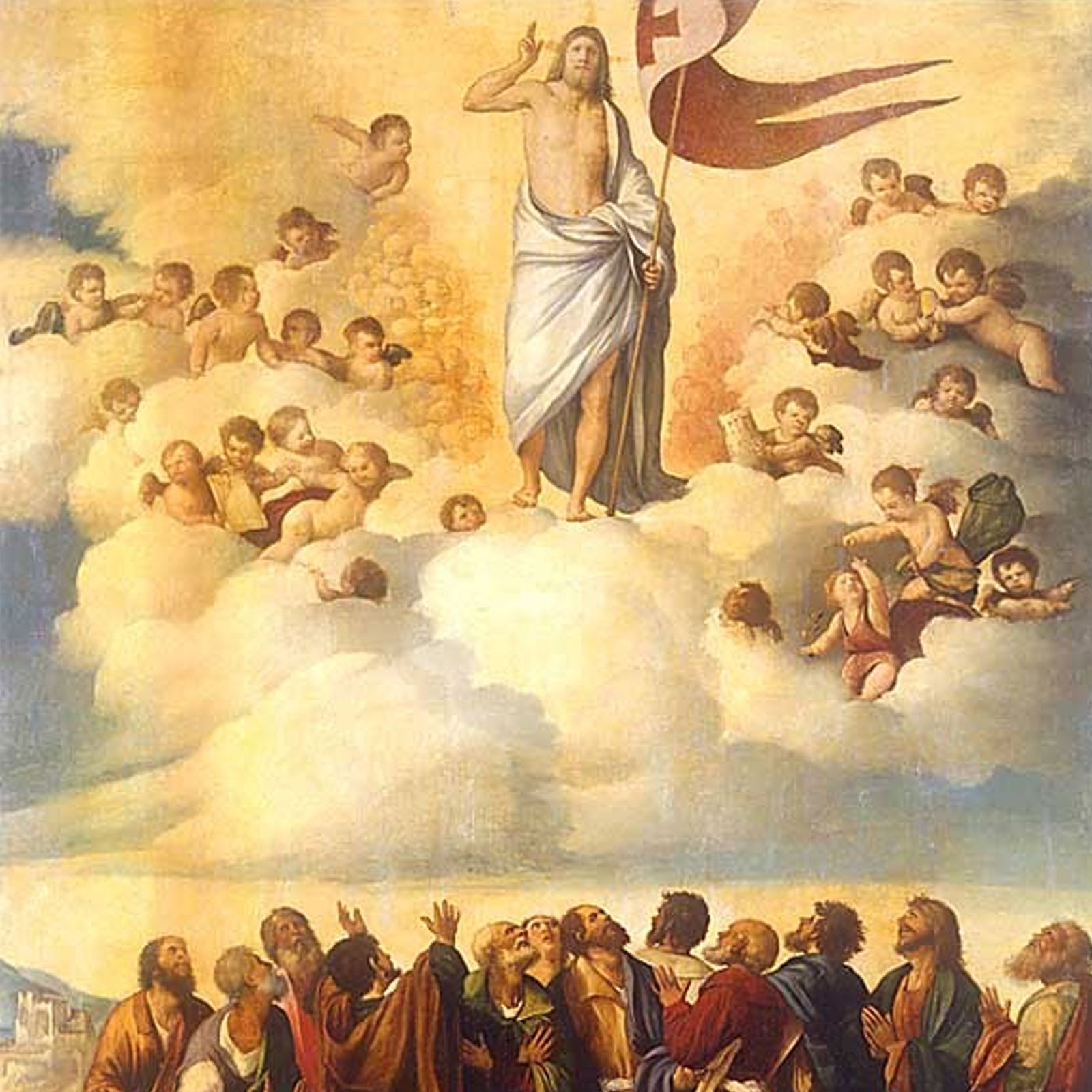
'The greatest of all God's works': Justification in Catholic Theology – Prof. Matthew Thomas
Prof. Matthew Thomas explains why justification—God’s transformative act of making sinners righteous in Christ by grace through faith and incorporation into the Church—is, for Aquinas, greater even than creation, and explores how Catholic teaching on faith, works, and grace can address Reformation-era controversies and open paths toward Protestant–Catholic reconciliation.
Guest: Prof. Matthew Thomas
Dec. 10, 2025
Can Divine Providence Be Known Through Natural Reason? The Classics' Response – Prof. Carlos A. Casanova
Prof. Carlos A. Casanova argues that a properly understood Aristotelian–Platonic metaphysics of form, final causality, and nature allows human reason, without biblical revelation, to infer a governing divine intellect that orders the cosmos and human history in a providential way.
Guest: Prof. Carlos A. Casanova
Dec. 9, 2025
Living Mary's Mediation through De Montfort’s 'Total Consecration' – Fr. John Langlois, O.P.
Fr. John Langlois presents Saint Louis de Montfort’s Marian spirituality of “total consecration” as the surest, easiest, and most secure way to live Mary’s maternal mediation and grow in intimate union with Jesus by entrusting one’s whole life to her.
Guest: Fr. John Langlois, O.P.
Dec. 8, 2025
The History of Devotion to Mary: She Who Leads Us to Jesus – Fr. John Langlois, O.P.
Fr. John Langlois traces how Marian doctrine and devotion—from Scripture and the early Fathers through medieval councils, liturgy, and architecture—culminate in the rosary as a Christ-centered, biblically rooted prayer that brings believers to Jesus through Mary’s maternal intercession.
Guest: Fr. John Langlois, O.P.
Dec. 6, 2025
Is Free Will an Illusion? – Prof. Joshua Hochschild
Prof. Joshua Hochschild argues that free will is not an illusion but a real, rational power by which human beings participate in God’s causality, and that the supposed “problem of free will” arises from a reductive modern picture of causation and human nature rather than from the classical Aristotelian–Thomistic framework.
Guest: Prof. Joshua Hochschild
Dec. 4, 2025
Happiness and Virtue: Can it be Good for You to Be Bad? – Prof. Thomas Osborne
Prof. Thomas Osborne argues that, on an Aristotelian–Thomistic account of human nature, it is never truly good for you to be bad, because vice damages your very being as a rational, social creature ordered to common goods and ultimately to God.
Guest: Prof. Thomas Osborne
Dec. 3, 2025
Virtue and the Meaningful Life – Dr. David McPherson
Dr. David McPherson argues that human beings are “meaning-seeking animals” and that an adequate neo-Aristotelian ethics must see the virtues as constitutive of a meaningful life ordered to strong goods such as the noble, the sacred, and love of God and neighbor.
Guest: Dr. David McPherson
Dec. 2, 2025
St. Thomas Aquinas: His Life, Wisdom, and Relevance Today – Fr. Irenaeus Dunlevy, O.P.
Fr. Irenaeus Dunlevy presents Aquinas as a medieval theologian whose love of Scripture, clear metaphysics of happiness, integrated view of body and soul, and profound Eucharistic devotion offer urgently needed guidance for Christians facing modern confusion about truth, identity, and God.
Guest: Fr. Irenaeus Dunlevy, O.P.
Dec. 1, 2025
Why We Need the Saints – Prof. Adam Eitel
Prof. Adam Eitel argues that God’s divine pedagogy makes the examples of the saints indispensable for our salvation, since their concrete, imperfect yet graced lives teach us how to endure sorrow, grow in virtue, and imitate Christ in the real circumstances of our own time.
Guest: Prof. Adam Eitel
Nov. 28, 2025
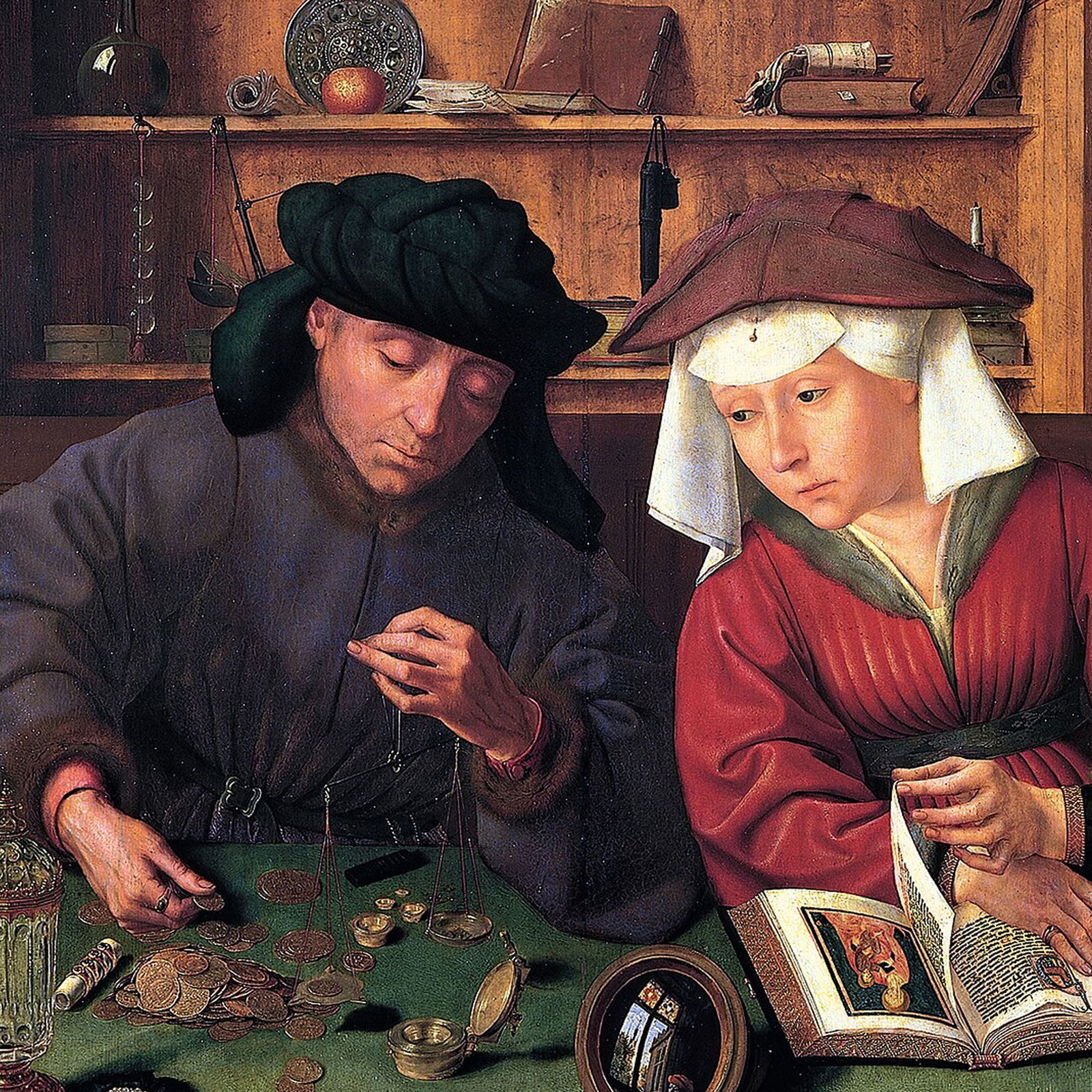
Does Marketing Make Us Less Human? – Dr. John-Paul Heil
Dr. John-Paul Heil critiques modern marketing’s implicit anthropology, explaining that marketing driven by manipulation, simulation, and quantity undermines human dignity, authentic friendship, and the pursuit of truth, advocating for a vision of marketing grounded in transparency, service, and the intrinsic value of persons. This lecture was given on October 7th, 2025, at Washington and Lee University/Virginia Military Institute. For more information on upcoming events, visit us at thomistici...